Mallory
← Back to News
ai-enabled-threat-activitymass-credential-exposurecivil-society-sector-threatinformation-technology-sector-threat

AI-Assisted Campaign Breached 10 Organizations and Exposed Over One Million Records

Emerging Technology Risk · 3 sources · Updated 2d ago · First seen Nov 23, 2026

AI-Assisted Campaign Breached 10 Organizations and Exposed Over One Million Records

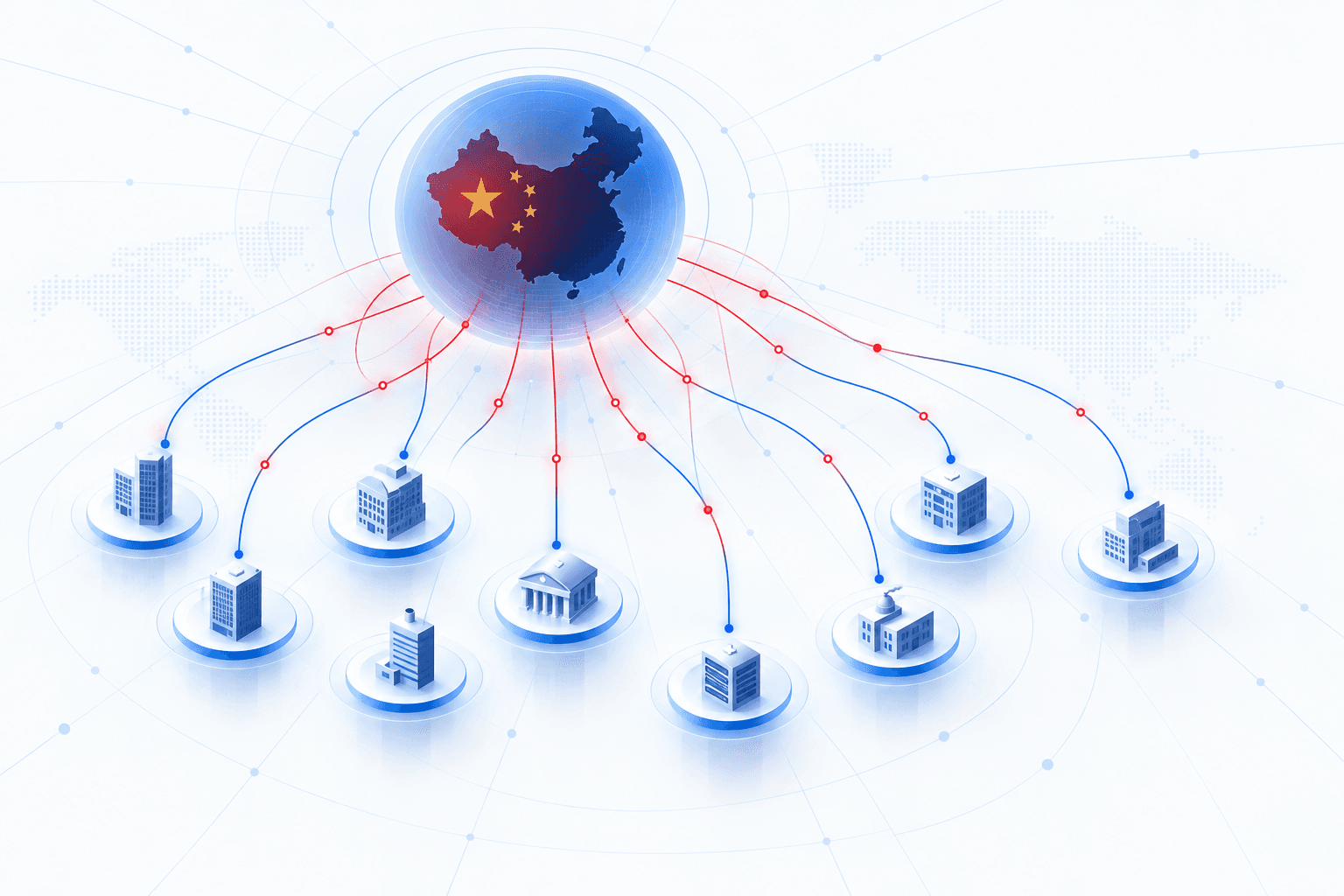
Chinese-speaking attackers used a customized version of the open-source Cairn penetration-testing framework to conduct largely autonomous intrusions against semiconductor supply-chain, defense-policy, and civil-society organizations, Unit42 reported. Tracked as CL-STA-1238, the cluster conducted 25 operations against at least 19 organizations during August and September 2026, compromising 10 and exposing more than one million personal records from a single victim. Reported activity also included obtaining credentials and military and government identities, modifying sensitive documents, and changing administrator accounts. Unit42 assessed with moderate confidence that the campaign supported China-linked intelligence collection, but did not connect it to a previously known threat group.

Cairn used Zhipu GLM 5.2 and DeepSeek V4 models to plan, execute, and document attacks with minimal human involvement. Rather than novel exploitation techniques, the campaign relied on known vulnerabilities and weak credentials, followed by privilege escalation and persistence. Defenders should prioritize patching known vulnerabilities, eliminating weak credentials, restricting internet-exposed endpoints, and monitoring for password spraying and unexpected administrator-account creation.

Why it matters

CL-STA-1238 reportedly compromised 10 organizations during 25 operations against at least 19 targets in August–September 2026, using AI-assisted automation to increase attack volume rather than introduce novel exploitation. Observed consequences included exposure of more than one million personal records from one victim, credential theft, sensitive-document modification, and unauthorized administrator-account changes—creating substantial confidentiality, integrity, and persistence risks. These were reported real-world compromises, not solely demonstrations; the supplied coverage attributes the findings to Unit42, whose original report is not included. Source

  • Industry-specific impact: Information Technology (45) is supported by semiconductor supply-chain targeting and a semiconductor-company compromise involving administrator accounts and a persistent API token. Civil Society & Non-Profit (91) is supported by explicit civil-society targeting and the compromise of a teachers’ union; defense-policy organizations were also targeted, but this does not independently establish compromise of military organizations. Source
  • Geography-specific impact: United States (US) is supported by the explicitly identified U.S. teachers’ union, where more than one million member records, approximately 31,000 CRM contacts, and staff password hashes were exposed. Other victim countries are not established; attacker language and infrastructure locations do not establish additional affected geographies. Source
  • Additional observed harm: attackers overwrote a live ballot document at an industry standards body, and a defense-policy platform exposed approximately 500 user records, including records associated with .mil and .gov domains. These findings indicate document-integrity and identity-exposure risks, not proof of compromise of government or military networks. Source
New surface, new adversariesTrack how attackers are adapting to this technology.
Track this risk
Event timeline

How this story unfolded

Events from the most recent confirmed update back to the earliest known activity.

6 events · 2026
  1. Reported Nov 23, 20265d ago

    Unit42 discloses campaign findings and assesses a China intelligence link

    Unit42 disclosed the CL-STA-1238 activity, technical details, and infrastructure indicators, assessing with moderate confidence that the campaign supported China-linked intelligence collection. Researchers found no connection to a previously known threat group and characterized AI's contribution as increased attack volume and coverage rather than novel exploitation.

    Hackers Use Autonomous AI to Breach 10 Organizations and Access Over 1 Million Personal Records
  2. 2026

    Defense policy platform exposes approximately 500 user records

    The August–September 2026 campaign exposed approximately 500 user records from a defense policy platform. Some records were associated with military and government email domains.

    Hackers Use Autonomous AI to Breach 10 Organizations and Access Over 1 Million Personal Records
  3. 2026

    U.S. teachers’ union compromise exposes more than one million member records

    During the August–September 2026 campaign, attackers exploited a content management system flaw at a U.S. teachers’ union to create valid sessions. The compromise exposed more than one million member records, approximately 31,000 CRM contacts, and staff password hashes.

    Hackers Use Autonomous AI to Breach 10 Organizations and Access Over 1 Million Personal Records
  4. 2026

    Attackers establish administrator access at a semiconductor company

    During the August–September 2026 campaign, attackers brute-forced a credential at a semiconductor company. They used the access to create administrator accounts and a persistent API token.

    Hackers Use Autonomous AI to Breach 10 Organizations and Access Over 1 Million Personal Records
  5. 2026

    Attackers compromise an industry standards body and overwrite a ballot document

    During the August–September 2026 campaign, password spraying against an industry standards body yielded dozens of valid logins. The attackers also overwrote a live ballot document.

    Hackers Use Autonomous AI to Breach 10 Organizations and Access Over 1 Million Personal Records
  6. 2026

    CL-STA-1238 conducts AI-driven attacks against at least 19 organizations

    Between August and September 2026, Chinese-speaking attackers conducted 25 operations using a customized Cairn penetration-testing framework powered by Zhipu GLM and DeepSeek models. The largely autonomous campaign reportedly compromised 10 organizations across semiconductor supply chains, defense policy, and civil society.

    Hackers Use Autonomous AI to Breach 10 Organizations and Access Over 1 Million Personal Records
Linked entities

Related entities

Vulnerabilities, threat actors, malware, products, organizations, breaches, and observables Mallory has linked to this story. Indicator values are masked here and available in full in the app.

Open in app →

Threat actors

1 linked

Observables

2 linked

Indicator values are masked on this page. See the values in Mallory Domains, IPs, hashes, and URLs are exportable to your SIEM.

Do you run this?Follow how adversaries are adapting to this technology, and where it touches your stack today.
Track This Risk
Mallory platform

See the full picture, correlated to your attack surface.

This page covers what’s public. Mallory adds the parts that aren’t: which of your assets are affected, which threat actors are using it right now, and what to deploy next.

Exposure mappingMap indicators from this story to your assets and identify affected systems in minutes.
Threat actor evidenceEvery observed campaign, victim, and pivot linked to actors named in this story.
Associated malwareMalware, exploits, and IOCs connected to the activity described here.
Detection signaturesYARA, Sigma, and Snort rules deployed to your SIEM as soon as they’re published.
Scheduled alertsGet matching new stories delivered to your team as they break, not the next morning.
AI threadsAsk questions about this story and take action on the answers.