Mallory
← Back to News
identity-authentication-vulnerabilitycredential-access-methodinternet-facing-service-vulnerability

Skeleton Cookie Flaw Enables Admin Access to One Identity Safeguard Virtual Appliances

Vulnerability Disclosure · 3 sources · Updated 2d ago · First seen Sep 4, 2024
Skeleton Cookie Flaw Enables Admin Access to One Identity Safeguard Virtual Appliances

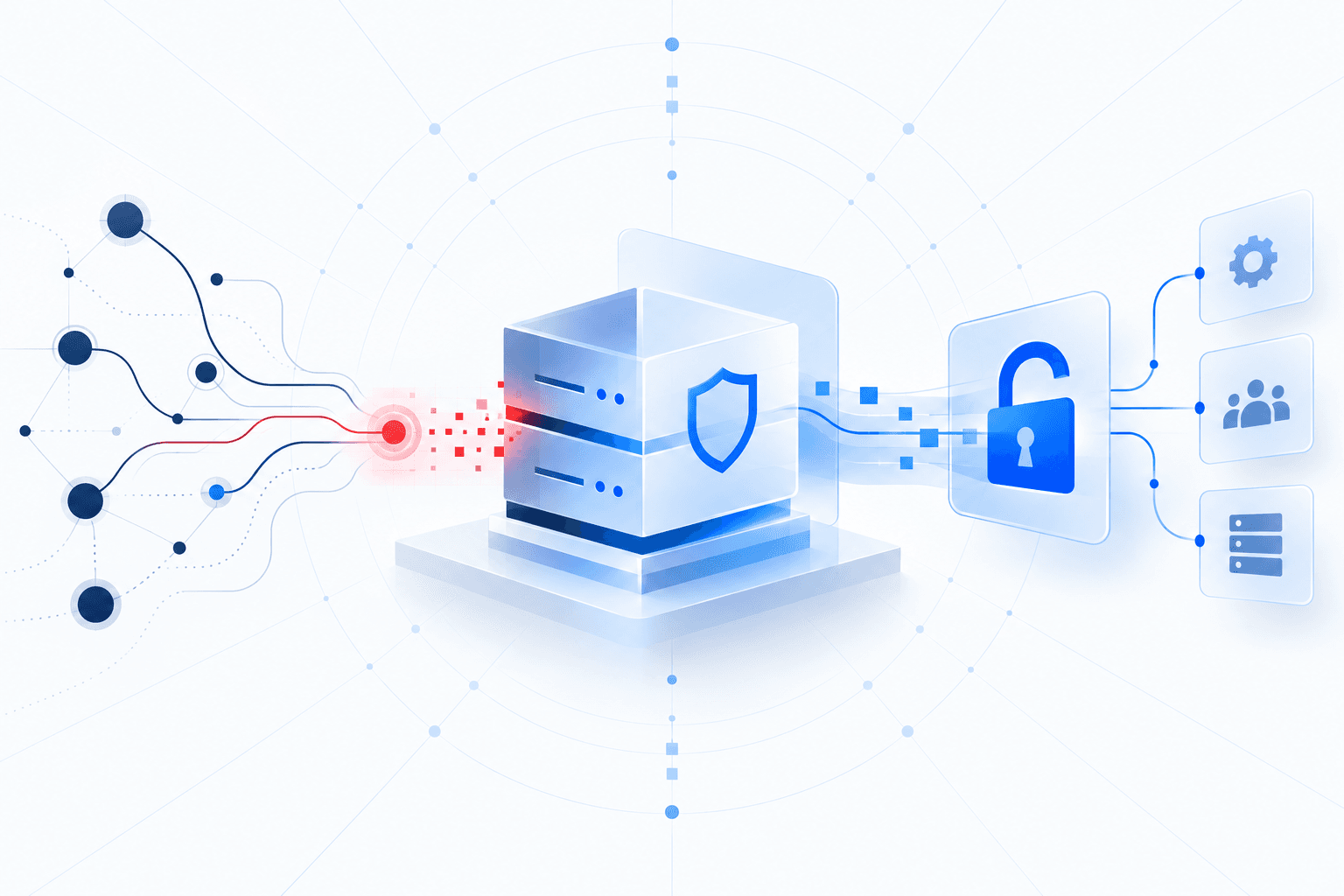
A critical authentication bypass in One Identity Safeguard for Privileged Passwords allows unauthenticated remote attackers to forge session cookies and impersonate any known user, potentially gaining full administrative access to stored credentials. Tracked as CVE-2024-45488 and nicknamed “Skeleton Cookie,” the flaw carries a CVSS 3.1 score of 9.8. AmberWolf researchers traced it to missing additional entropy in DPAPI-protected cookies combined with a machine-level DPAPI master key shared across vulnerable virtual appliance images. According to One Identity, VMware and Hyper-V appliances are affected; physical appliances and cloud-based platforms are not.

Administrative access can expose stored credentials, enable security-policy changes, and allow attackers to download backups that are decryptable when the default hardcoded RSA encryption key is used. AmberWolf also demonstrated remote code execution by restoring a malicious backup containing attacker-controlled registry entries. One Identity acknowledged the backup-related issue and recommended password or GPG protection for backups. Organizations running affected virtual appliances should upgrade to the fixes released on August 27, 2024—7.0.5.1 LTS, 7.4.2, or 7.5.2—or an appropriate later supported release, and verify that backups have additional encryption protection.

Why it matters

Organizations running vulnerable One Identity Safeguard for Privileged Passwords virtual appliances risk unauthenticated administrative takeover of a system holding privileged credentials. Consequences include credential theft, security-policy manipulation, exposure of decryptable backups, and demonstrated code execution through a separate malicious-backup restore chain; public exploit tooling exists, but the supplied reports do not establish exploitation in the wild or quantify exposed deployments. Technical analysis

  • Industry-specific impact is not established. The evidence concerns a privileged access management product without identifying affected organizations or targeted sectors. Advisory
  • Geography-specific impact is not established. No affected operations, victim populations, or geographic targeting are identified in the supplied reports. Advisory
Do you run this?See affected versions and whether adversaries are exploiting it.
Check your exposure
Event timeline

How this story unfolded

Events from the most recent confirmed update back to the earliest known activity.

10 events · Jul 10, 2024 – Sep 4, 2024
  1. Reported Sep 17, 20242y ago

    One Identity acknowledges the backup-related code execution issue

    One Identity characterized the reported backup-related issue as known and said version 8.0 would improve documentation and guidance encouraging password or GPG protection for backups.

    Skeleton Cookie: Breaking into Safeguard with CVE-2024-45488
  2. Reported Sep 17, 20242y ago

    Researchers demonstrate backup decryption and code execution

    AmberWolf showed that administrative access permits downloading backups decryptable with the default hardcoded RSA key. Researchers also demonstrated appliance code execution by restoring a malicious backup containing attacker-controlled registry entries, launching a Havoc C2 beacon.

    Skeleton Cookie: Breaking into Safeguard with CVE-2024-45488
  3. Reported Sep 17, 20242y ago

    AmberWolf reveals the Skeleton Cookie exploit and publishes tooling

    Researchers detailed how missing additional entropy and a shared machine-level DPAPI master key enabled forged cookies to obtain administrator-associated tokens on vulnerable virtual appliances. They published a Python implementation for creating DPAPI blobs and a vulnerability-check script.

    Skeleton Cookie: Breaking into Safeguard with CVE-2024-45488
  4. Sep 4, 20242y ago

    AmberWolf publishes its authentication-bypass advisory

    AmberWolf disclosed that unauthenticated attackers could forge session cookies to impersonate known users, potentially obtaining administrative control and access to stored credentials. It temporarily withheld technical details to give organizations time to patch.

    One Identity SafeGuard for Privileged Passwords - Authentication Bypass (CVE-2024-45488)
  5. Aug 29, 20242y ago

    CVE-2024-45488 is assigned to the Safeguard vulnerability

    The hard-coded cryptographic key vulnerability was assigned CVE-2024-45488. It carries a critical CVSS 3.1 score of 9.8.

    One Identity SafeGuard for Privileged Passwords - Authentication Bypass (CVE-2024-45488)
  6. Aug 27, 20242y ago

    One Identity releases Safeguard fixes and remediation guidance

    One Identity released fixed versions 7.0.5.1 LTS, 7.4.2, and 7.5.2 and published its advisory and knowledge base article. The vulnerability affects VMware and Hyper-V virtual appliances; One Identity stated that physical appliances and cloud-based platforms are unaffected.

    One Identity SafeGuard for Privileged Passwords - Authentication Bypass (CVE-2024-45488)
  7. Jul 23, 20242y ago

    AmberWolf confirms the patch fixes the authentication bypass

    AmberWolf verified that One Identity's patch resolved the reported issue.

    One Identity SafeGuard for Privileged Passwords - Authentication Bypass (CVE-2024-45488)
  8. Jul 19, 20242y ago

    One Identity supplies a patch for researcher testing

    One Identity provided AmberWolf with a patch to test against the reported vulnerability.

    One Identity SafeGuard for Privileged Passwords - Authentication Bypass (CVE-2024-45488)
  9. Jul 19, 20242y ago

    AmberWolf submits full vulnerability report

    AmberWolf sent One Identity its full report on the Safeguard for Privileged Passwords authentication bypass.

    One Identity SafeGuard for Privileged Passwords - Authentication Bypass (CVE-2024-45488)
  10. Jul 10, 20242y ago

    AmberWolf shares initial Safeguard vulnerability details with One Identity

    AmberWolf shared initial details of the authentication-bypass vulnerability later assigned CVE-2024-45488 with One Identity.

    One Identity SafeGuard for Privileged Passwords - Authentication Bypass (CVE-2024-45488)
Linked entities

Related entities

Vulnerabilities, threat actors, malware, products, organizations, breaches, and observables Mallory has linked to this story. Indicator values are masked here and available in full in the app.

Open in app →

Vulnerabilities

1 linked

Affected products

1 linked
Safeguard For Privileged Passwords

Observables

2 linked

Indicator values are masked on this page. See the values in Mallory Domains, IPs, hashes, and URLs are exportable to your SIEM.

Do you run this?See whether adversaries are exploiting this yet, and where the affected versions run in your environment.
Check Your Exposure
Mallory platform

See the full picture, correlated to your attack surface.

This page covers what’s public. Mallory adds the parts that aren’t: which of your assets are affected, which threat actors are using it right now, and what to deploy next.

Exposure mappingMap indicators from this story to your assets and identify affected systems in minutes.
Threat actor evidenceEvery observed campaign, victim, and pivot linked to actors named in this story.
Associated malwareMalware, exploits, and IOCs connected to the activity described here.
Detection signaturesYARA, Sigma, and Snort rules deployed to your SIEM as soon as they’re published.
Scheduled alertsGet matching new stories delivered to your team as they break, not the next morning.
AI threadsAsk questions about this story and take action on the answers.