
Loading story…
A dramatic increase in banking and financial scams has been observed globally, with a 65% rise in scam activity over the past year, according to data from BioCatch. Financial institutions serving nearly 350 million consumers across five continents have reported explosive growth in various scam types, including a tenfold increase in SMS-based phishing (smishing) attacks. Voice phishing (vishing) attempts have doubled, romance scams have risen by 63%, and investment scams have climbed by 42%. Purchase scams remain the most common form of fraud, with a 14% increase in attempts. The Global Anti-Scam Alliance estimates that consumers now lose over $1 trillion annually to scams, a figure that continues to escalate. Much of this surge is attributed to organized criminal operations exploiting the financial system, as noted by the U.S. Department of the Treasury. Scammers are leveraging current events and government programs, such as New York State’s inflation refund initiative, to launch targeted phishing campaigns. These campaigns often impersonate official agencies, urging recipients to provide sensitive payment information under the threat of losing their refunds. The phishing messages typically originate from foreign numbers and direct victims to fake websites designed to harvest personal data, including Social Security Numbers and bank account details. In the private sector, attackers are targeting users of popular financial platforms like Robinhood, sending convincing text messages that warn of suspicious account activity and prompt users to log in via fraudulent links. These fake login pages are crafted to closely mimic legitimate sites, and after stealing credentials, some even redirect victims to the real site to avoid suspicion. Additionally, credential phishing campaigns are evolving rapidly, with scammers impersonating Google Careers to target Google Workspace and Microsoft 365 users. These emails, sent in multiple languages and using frequently changing sender details, lure recipients into multi-step traps involving fake verification pages and credential harvesting sites. Attackers abuse legitimate services such as Salesforce and Recruitee to distribute these phishing emails, and the malicious domains are often newly registered to evade detection. The sophistication and adaptability of these scams make them increasingly difficult for both individuals and organizations to detect and prevent. Financial institutions and cybersecurity experts emphasize the need for heightened vigilance, robust anti-phishing training, and advanced fraud detection technologies to combat this growing threat. The widespread nature of these scams underscores the importance of cross-sector collaboration and public awareness to mitigate financial losses and protect sensitive information. As scammers continue to refine their tactics, the risk to consumers and businesses remains high, necessitating ongoing adaptation of security measures. The convergence of social engineering, technical deception, and exploitation of current events highlights the evolving landscape of financial cybercrime. Authorities and industry leaders are calling for increased investment in behavioral biometrics and real-time fraud monitoring to stay ahead of these sophisticated threats. The ongoing battle against banking and financial phishing scams is expected to intensify as attackers leverage new technologies and social trends to expand their reach.
Get the infrastructure and lures behind it.
4 events from the most recent confirmed update back to the earliest known activity.
Researchers reported a phishing scam using fake Google job offer emails to target Google Workspace and Microsoft 365 users. The campaign used employment-themed lures to harvest credentials or otherwise compromise business email accounts.
A reported industry finding said banking scams increased 65% worldwide over the previous year, indicating a broader escalation in financially motivated fraud activity. No more specific event date is provided beyond the publication timeframe.
Scammers were still distributing fraudulent Robinhood security alert messages designed to create urgency and steal account credentials or other sensitive information. The article frames this as an ongoing campaign active at the time of publication.
Phishing campaigns began abusing New York’s inflation refund program as a social-engineering theme to trick recipients into clicking malicious links or divulging personal and financial information. The reporting indicates the scam was active by the time it was published.
Vulnerabilities, threat actors, malware, products, organizations, and breaches Mallory has linked to this story.
Get the infrastructure, lures, and IOCs behind this campaign, ready to push into your email and identity stack.
4 references tracked. Mallory keeps watching after this page renders.
techrepublic.com
Open sourcehackread.com
Open sourcemalwarebytes.com
Open sourcemalwarebytes.com
Open sourceMap indicators from this story to your assets and identify affected systems in minutes.
Every observed campaign, victim, and pivot linked to actors named in this story.
Malware, exploits, and IOCs connected to the activity described here.
YARA, Sigma, and Snort rules deployed to your SIEM as soon as they’re published.
Get matching new stories delivered to your team as they break — not the next morning.
Ask questions about this story and take action on the answers.
Other stories Mallory is tracking that overlap on entities, sources, or topic labels.

Job-related scams have experienced a dramatic increase, with research from McAfee indicating a surge of over 1,000% between May and July 2025. Job seekers are particularly vulnerable, as they are more likely to receive unsolicited messages and may overlook warning signs, making them prime targets for scammers. These scams often involve fraudulent recruiters who lead with enticing benefit details or request sensitive personal information early in the communication process. In addition to job scams, there has been a significant rise in text message-based phishing attacks, known as smishing, which disproportionately target younger Americans aged 18 to 29. According to a report by Consumer Reports, Aspen Digital, and the Global Cyber Alliance, 30% of individuals who experienced a cyberattack or scam in the past year reported that it began via text message or messaging app, up from 20% the previous year. Phishing remains the most prevalent type of scam, with 39% of victims reporting that the attack involved messages or emails impersonating legitimate sources to solicit personal information. Nearly half of American consumers have encountered a cyberattack or digital scam, and about 1 in 10 Americans overall have lost money as a result. Scammers are systematically targeting essential aspects of modern life, including job hunting, online shopping, financial management, and technology adoption. The success of these scams often relies on exploiting victims' emotions, urgency, and distraction, rather than technical sophistication. Security experts emphasize the importance of awareness and education as critical defenses against social engineering attacks. Best practices such as using strong passwords, enabling multi-factor authentication, and verifying communications through official channels are recommended to mitigate risk. AI-powered security awareness training is highlighted as an effective tool for organizations to reduce human risk and strengthen security culture. The reports stress that collective action is necessary, involving individuals making safer choices, industry developing more secure products, and governments holding cybercriminals accountable. The dramatic increase in scams underscores the need for ongoing vigilance and proactive security measures. Both job seekers and younger demographics are urged to be especially cautious when responding to unsolicited messages or offers. The data suggests that as digital communication channels proliferate, so too do the opportunities for scammers to exploit unsuspecting users. Security vendors and advocacy groups continue to provide guidance and resources to help the public recognize and avoid these evolving threats. The overall trend points to a rapidly escalating threat landscape that requires coordinated efforts from all stakeholders to address effectively.
Jun 29, 2026
Credit unions and financial institutions are facing a surge in sophisticated fraud schemes that leverage social engineering and AI-driven tactics to compromise payment security. Attackers are increasingly using phishing, vishing, and smishing to harvest credentials and one-time passcodes, enabling account takeover and card-not-present fraud. Imposter scams, such as fraudulent calls and urgent messages, pressure victims into making instant, irreversible transfers through crypto ATMs or quick-pay apps. Security leaders emphasize the importance of real-time monitoring, member education, and advanced authentication methods—including tokenization and biometrics—to counter these evolving threats and protect members without degrading user experience. Criminal organizations, including groups operating out of China, have orchestrated large-scale scams by sending deceptive texts about overdue tolls or postal fees to trick individuals into divulging credit card details. Stolen card numbers are then installed in digital wallets like Google and Apple Wallets in Asia and shared with U.S.-based accomplices to make fraudulent purchases. These operations have resulted in over $1 billion in losses over three years, highlighting the global scale and technical ingenuity of modern payment fraud. Early reporting by victims and rapid response by financial institutions are critical to stopping fraudulent transfers and involving law enforcement to mitigate losses.
Jul 12, 2026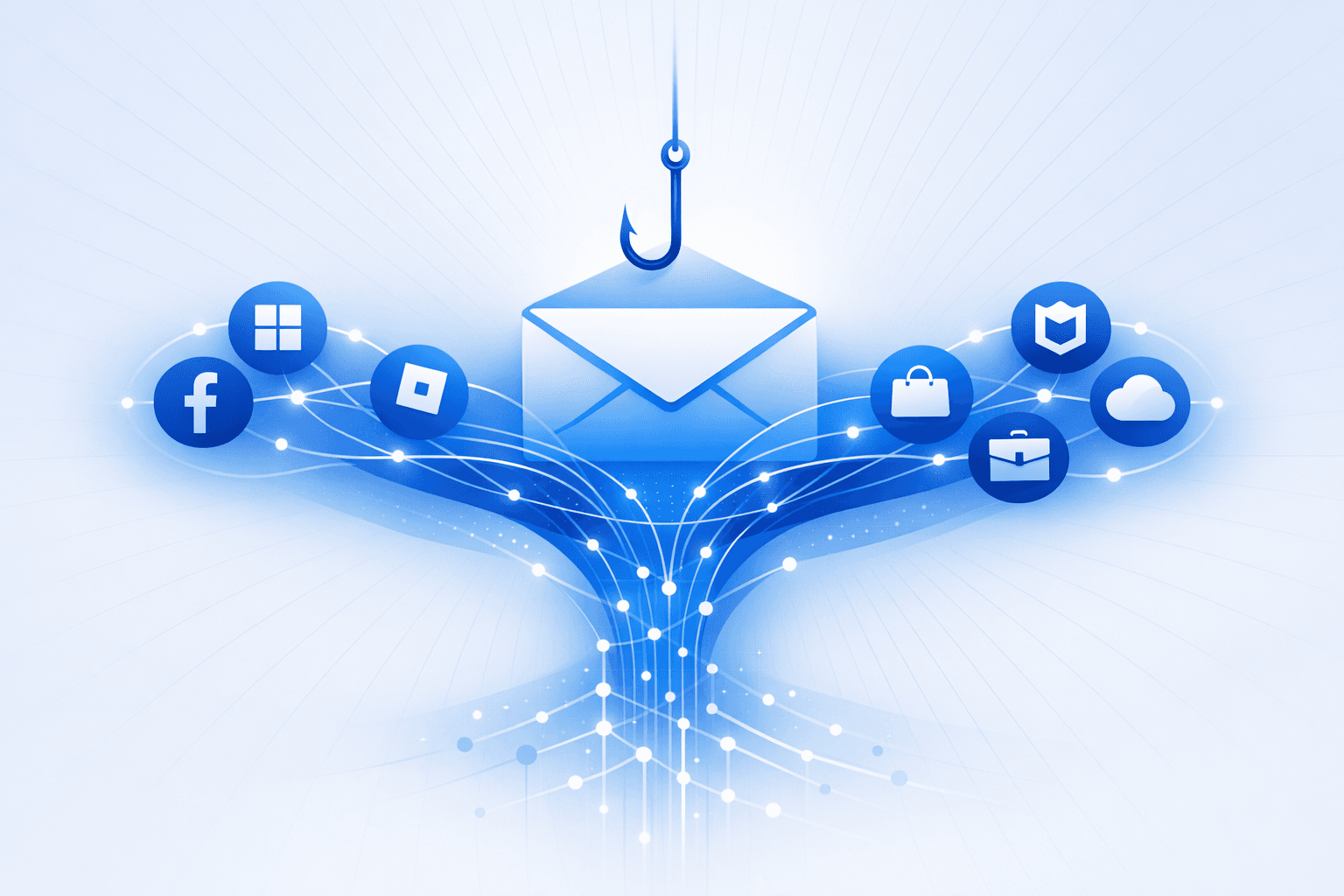
Threat researchers reported continued growth and diversification in **impersonation-driven phishing**. Guardio data cited by KnowBe4 identified **Microsoft** as the most impersonated brand in phishing during **Q4 2025**, followed by **Facebook, Roblox, McAfee, Steam, AT&T, Amazon, Google, Yahoo, and Coinbase**. The activity reportedly surged around high-traffic seasonal moments (e.g., Black Friday “storefront” scams, December delivery scams, and January job-search lures), reflecting attackers’ focus on exploiting predictable user behavior and time-sensitive themes. Separately, LevelBlue **SpiderLabs** reported **BEC** activity increased **15% in 2025 vs. 2024** based on *MailMarshal* telemetry, averaging **3,000+ BEC messages/month** (peaking at **4,300** in July). The report noted seasonal/operational timing effects (e.g., quarter transitions and summer vacation staffing gaps) and highlighted evolving tactics including **“contact details swapping,”** where attackers impersonate finance teams to “update” official contact information to redirect payments or communications. Together, the reporting indicates sustained growth in **impersonation and social engineering** as a primary driver of fraud and account compromise risk, with attackers adapting lures to business cycles and consumer seasons.
Jun 29, 2026