Social Engineering and Payment Fraud Targeting Credit Unions and Consumers
Sector Threat Intelligence · 2 sources · Updated 4mo ago · First seen Oct 30, 2025

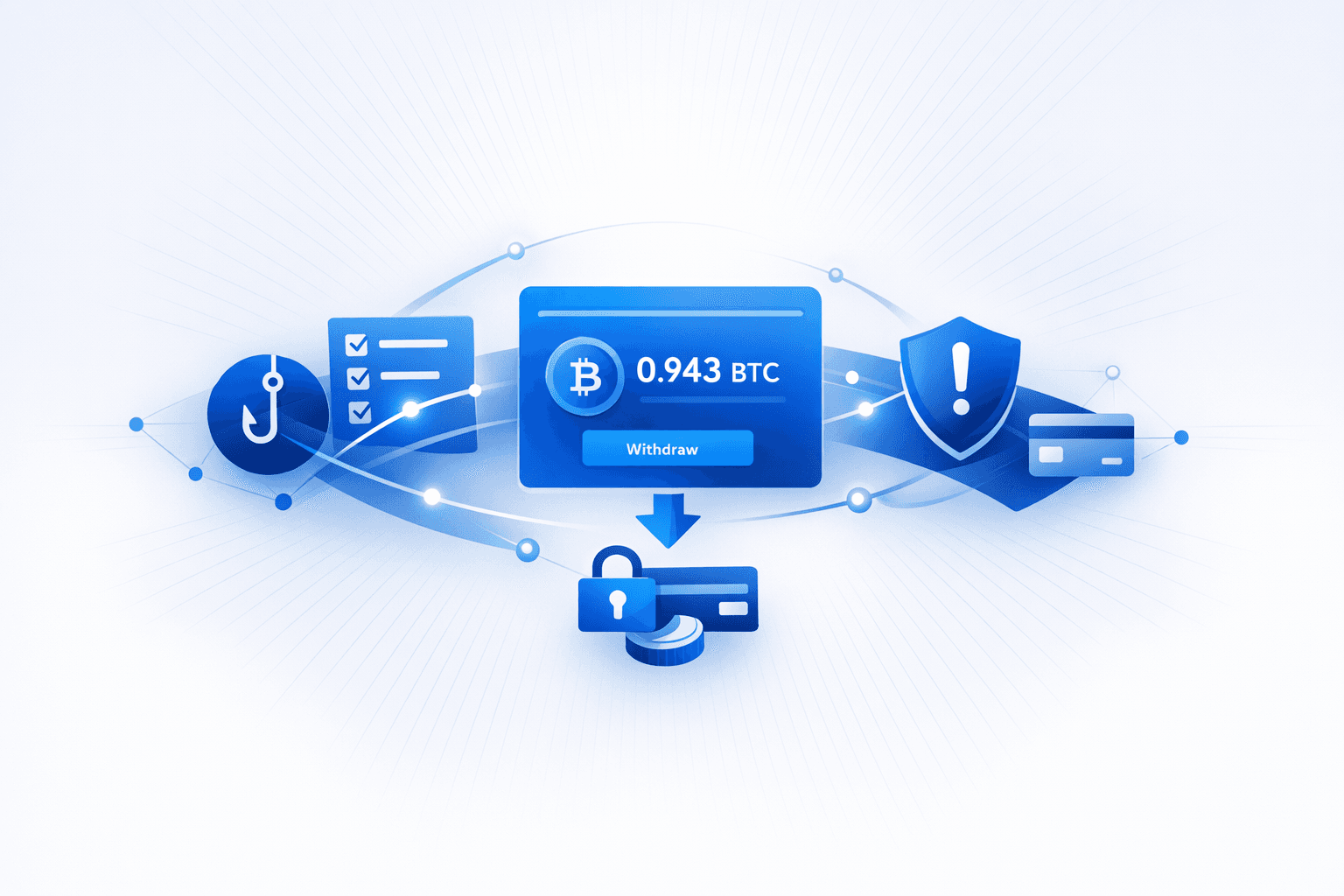
Credit unions and financial institutions are facing a surge in sophisticated fraud schemes that leverage social engineering and AI-driven tactics to compromise payment security. Attackers are increasingly using phishing, vishing, and smishing to harvest credentials and one-time passcodes, enabling account takeover and card-not-present fraud. Imposter scams, such as fraudulent calls and urgent messages, pressure victims into making instant, irreversible transfers through crypto ATMs or quick-pay apps. Security leaders emphasize the importance of real-time monitoring, member education, and advanced authentication methods—including tokenization and biometrics—to counter these evolving threats and protect members without degrading user experience.
Criminal organizations, including groups operating out of China, have orchestrated large-scale scams by sending deceptive texts about overdue tolls or postal fees to trick individuals into divulging credit card details. Stolen card numbers are then installed in digital wallets like Google and Apple Wallets in Asia and shared with U.S.-based accomplices to make fraudulent purchases. These operations have resulted in over $1 billion in losses over three years, highlighting the global scale and technical ingenuity of modern payment fraud. Early reporting by victims and rapid response by financial institutions are critical to stopping fraudulent transfers and involving law enforcement to mitigate losses.