
Loading story…
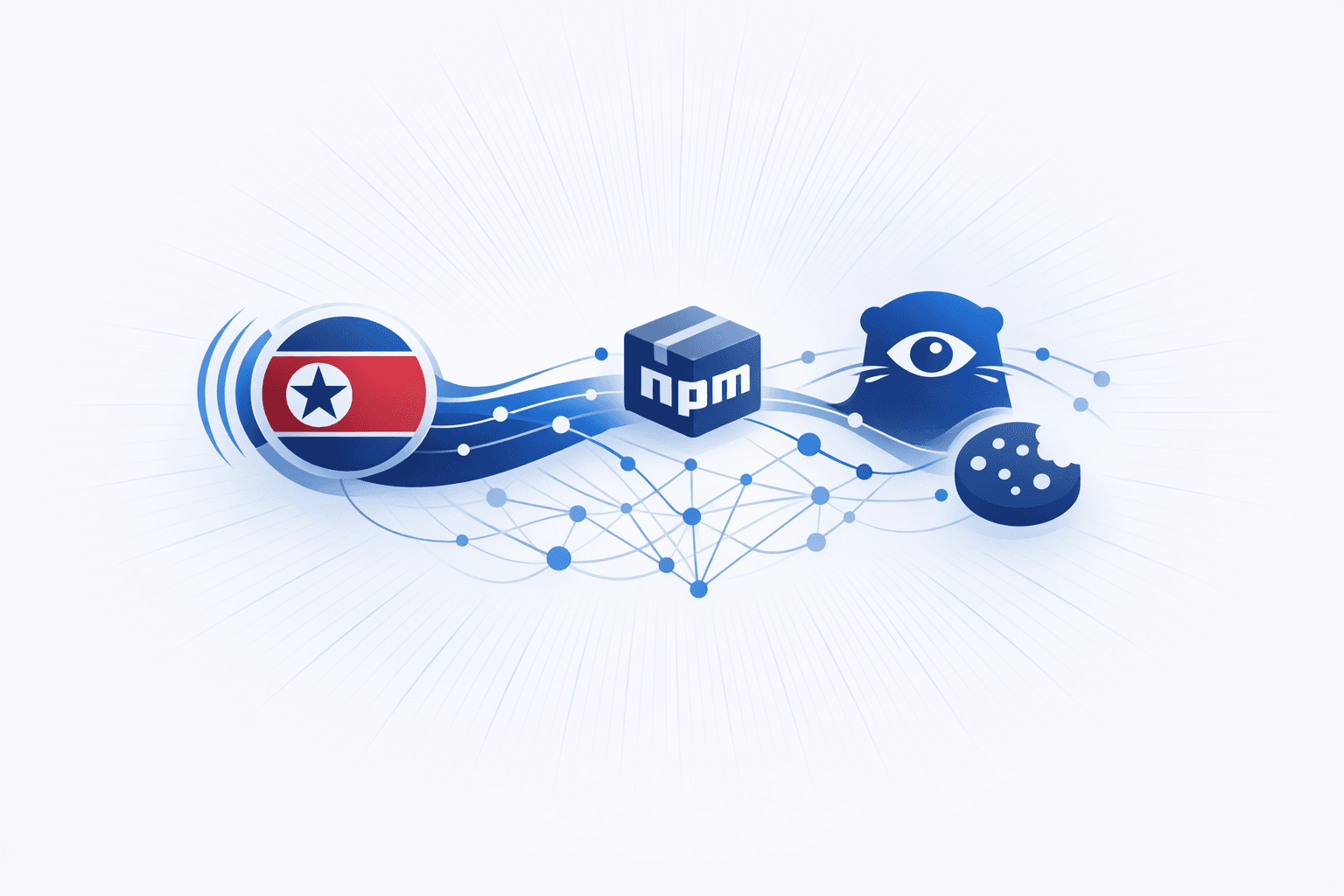
The North Korean state-sponsored hacking group known as Famous Chollima has been identified as orchestrating a sophisticated cyber campaign targeting individuals and organizations with the goal of stealing cryptocurrency and sensitive credentials. Security researchers have observed that the group is leveraging trojanized Node.js applications, such as fake versions of legitimate apps like Chessfi, to deliver malicious payloads. Victims are lured through job scam tactics, where they are enticed to install what appears to be a legitimate application, but which actually contains hidden malware. The infection process involves the user executing an 'npm install' command, which surreptitiously downloads a malicious package named 'node-nvm-ssh.' This package is engineered to execute a series of obfuscated commands, ultimately deploying the OtterCookie and BeaverTail malware families onto the victim's system.
Recent analysis by Cisco Talos has revealed that the functionalities of BeaverTail and OtterCookie are being merged, indicating a strategic move by the attackers to streamline and enhance their toolset for future campaigns. The evolution of the OtterCookie malware has been particularly notable, with successive versions adding increasingly invasive capabilities. Early versions focused on stealing browser profiles, while later iterations introduced clipboard theft, file exfiltration from all mounted drives, and, most recently, advanced surveillance features. The latest version, designated V5, incorporates a keylogger to capture every keystroke and a screenshotting module that takes images of the victim's desktop every four seconds, with all collected data exfiltrated to the attackers' command and control infrastructure.
The campaign has been observed targeting high-value individuals and organizations, with at least one confirmed infection at a Sri Lanka-based organization. The attackers' use of legitimate-looking applications and sophisticated evasion techniques makes detection and prevention challenging. The campaign's primary objective appears to be the theft of cryptocurrency and sensitive user credentials, which are highly valuable on underground markets. Security experts warn that the merging of malware capabilities and the use of evolving infection vectors signal an ongoing and escalating threat from the Famous Chollima group. Organizations are advised to implement robust endpoint protection, monitor for suspicious npm package installations, and educate users about the risks of unsolicited job offers and software downloads. The campaign underscores the persistent and adaptive nature of North Korean cyber operations, particularly in their pursuit of financial gain through cybercrime.

TTPs, infrastructure, and targeting history in one profile.
5 events from the most recent confirmed update back to the earliest known activity.
A later report described a related North Korea-linked campaign attributed to WaterPlum that used a Node.js-based OtterCandy RAT for cryptocurrency theft and included an anti-forensic module, indicating continued evolution of this malware ecosystem.
Researchers connected the activity to North Korea's wider strategy of using job-themed lures and fake-company recruitment scams, consistent with earlier Lazarus Group-linked operations using the same malware families.
Talos said the malware toolset had evolved from browser-profile theft to broader credential and cryptocurrency theft, adding clipboard theft, file theft from mounted drives, keylogging, and frequent screenshot capture with exfiltration to command-and-control infrastructure.
In one observed case at an organization headquartered in Sri Lanka, a victim executed an npm install that fetched a concealed malicious package named "node-nvm-ssh," leading to BeaverTail and OtterCookie malware deployment.
Cisco Talos reported that the North Korea-aligned group Famous Chollima used fake job offers to trick targets into installing trojanized applications such as "Chessfi," initiating infections through malicious Node.js packages.
Vulnerabilities, threat actors, malware, products, organizations, and breaches Mallory has linked to this story.
See this adversary's TTPs, infrastructure, and targeting history, correlated against your exposure.
4 references tracked. Mallory keeps watching after this page renders.
bsky.app
Open sourcesecurityonline.info
Open sourcesecurityonline.info
Open sourcehackread.com
Open sourceMap indicators from this story to your assets and identify affected systems in minutes.
Every observed campaign, victim, and pivot linked to actors named in this story.
Malware, exploits, and IOCs connected to the activity described here.
YARA, Sigma, and Snort rules deployed to your SIEM as soon as they’re published.
Get matching new stories delivered to your team as they break — not the next morning.
Ask questions about this story and take action on the answers.
Other stories Mallory is tracking that overlap on entities, sources, or topic labels.
North Korea-linked threat actors have significantly expanded the 'Contagious Interview' campaign, targeting software developers in the crypto and Web3 sectors by uploading 197 new malicious npm packages designed to distribute an updated version of the OtterCookie infostealer. These actors, posing as recruiters on platforms like LinkedIn, use sophisticated social engineering tactics such as fake job interviews and trojanized demo projects to lure victims on Windows, Linux, and macOS. The campaign leverages a full delivery infrastructure, including a threat actor–controlled GitHub account and Vercel-hosted staging sites, to store and deliver malware, with command and control servers used for data theft and remote tasking. The campaign's payloads include the BeaverTail and OtterCookie infostealers and the InvisibleFerret RAT, and the malicious npm packages have been downloaded over 31,000 times, highlighting the scale and persistence of the operation. Technical analysis reveals that the attackers have built a robust malware delivery system, using their GitHub account to host repositories and fetch the latest payloads from Vercel, while maintaining separate C2 infrastructure for exfiltration and tasking. At least five npm packages, including 'tailwind-magic' and its variants, have been directly linked to this campaign. The operation demonstrates the increasing sophistication of North Korean supply chain attacks, with a focus on compromising developers in high-value sectors through open-source ecosystems. Security researchers continue to monitor the evolving tactics and infrastructure associated with this campaign, warning organizations and developers to exercise heightened vigilance when interacting with unsolicited job offers and npm packages.
Jun 29, 2026
North Korean threat actors linked to **Contagious Interview**, **Famous Chollima**, and **Lazarus** used fake job and hiring platforms to infect applicants with BeaverTail, InvisibleFerret, FlexibleFerret, FrostyFerret, GolangGhost, and related malware families. Researchers said the operation evolved from earlier job-themed campaigns into **ClickFix**-style social engineering, where victims were told to copy and paste OS-specific troubleshooting commands from bogus interview sites. The infrastructure collected visitor IP and geolocation data, checked for cryptocurrency wallet browser objects, and then delivered tailored payloads for **Windows**, **macOS**, and **Linux** through staged download chains and fake recruiter workflows. The campaign expanded beyond software developers to target **cryptocurrency**, **marketing**, and other less technical roles, reflecting a broader DPRK shift toward centralized finance and job seekers who may be less suspicious of recruiter outreach. Reports tied the activity to malicious repositories, dozens of weaponized **npm** packages, fake hiring domains such as `businesshire[.]top`, and backend infrastructure including `nvidiasdk.fly[.]dev`, while analysts also documented persistence via Run keys and LaunchAgents, password theft on macOS, and malware loaders designed to frustrate analysis through allowlists and low-volume testing. Security firms assessed the activity as an ongoing evolution of the long-running Contagious Interview operation rather than isolated incidents.
Aug 15, 2026
North Korea-aligned threat actors, tracked as DeceptiveDevelopment or Contagious Interview, have intensified campaigns targeting software developers in the cryptocurrency and Web3 sectors. These attackers use fake recruiter profiles and staged job interviews to deliver trojanized codebases and malware, including infostealers like BeaverTail, OtterCookie, WeaselStore, and the modular remote access tool InvisibleFerret. Recent research also uncovered a new backdoor, AkdoorTea, and additional tools such as TsunamiKit and Tropidoor, all deployed through sophisticated social engineering tactics across Windows, Linux, and macOS platforms. The group leverages platforms like LinkedIn, Upwork, and GitHub to lure victims, often instructing them to execute malicious scripts under the guise of coding assessments or technical troubleshooting. ESET's analysis links these operations to North Korean IT workers involved in fraudulent job schemes, highlighting the group's financial motives and broad operational scale.
Aug 14, 2026