
Loading story…
A newly discovered Android banking trojan named Sturnus has emerged, targeting financial institutions in Europe and demonstrating advanced capabilities beyond typical mobile malware. Sturnus can capture messages from end-to-end encrypted messaging apps such as Signal, WhatsApp, and Telegram by accessing content after decryption directly from the device screen. The malware also enables full device takeover, credential theft through region-specific HTML overlays, and real-time remote control via VNC sessions. Infection typically begins with malicious APKs disguised as legitimate apps like Google Chrome or Preemix Box, and the malware abuses Android Accessibility services to monitor user activity, capture keystrokes, and manipulate the device interface.
Sturnus communicates with its command-and-control infrastructure using a combination of plaintext, RSA, and AES-encrypted channels, establishing secure connections for both data exfiltration and live monitoring. Once installed, it registers the victim device through a cryptographic exchange and can obtain Device Administrator privileges, allowing it to track password changes, lock the device, and maintain persistence. The trojan is currently under active development and is believed to be distributed via malvertising or direct messages, with researchers noting its private operation and ongoing evaluation phase. Security experts warn that Sturnus represents a significant escalation in Android banking malware sophistication, particularly due to its ability to bypass encrypted messaging protections and facilitate financial fraud.
See the actors and campaigns active against you right now.
4 events from the most recent confirmed update back to the earliest known activity.
Analysis published with the discovery said Sturnus was being distributed in low volumes and appeared to be in an evaluation phase, but its modular design and existing bank-targeting templates suggested operators were preparing for a larger campaign. Reports also noted its use of plaintext, AES, and RSA-protected communications with command-and-control infrastructure.
Researchers reported that Sturnus includes region-specific banking overlays aimed at financial institutions in Southern and Central Europe, indicating a focus on banking credential theft and transaction fraud. The malware was said to support remote control through VNC-like capabilities and conceal attacker actions with full-screen overlays.
Public reporting disclosed that Sturnus can access message content from Signal, WhatsApp, and Telegram after decryption on the device, effectively bypassing end-to-end encryption protections at the endpoint. The malware was also described as capable of screen capture, UI monitoring, and remote interaction with the victim device.
ThreatFabric identified a new Android banking trojan dubbed Sturnus that steals banking credentials, abuses Android accessibility features, and can take near-total control of infected devices. Researchers assessed it as being in development or limited testing rather than a fully scaled campaign.
Vulnerabilities, threat actors, malware, products, organizations, and breaches Mallory has linked to this story.
See the adversaries and campaigns active against your sector right now, ranked by what they're exploiting.
7 references tracked. Mallory keeps watching after this page renders.
securityonline.info
Open sourceasec.ahnlab.com
Open sourcehackread.com
Open sourcebleepingcomputer.com
Open sourcesecurityaffairs.com
Open sourcethehackernews.com
Open sourcetherecord.media
Open sourceMap indicators from this story to your assets and identify affected systems in minutes.
Every observed campaign, victim, and pivot linked to actors named in this story.
Malware, exploits, and IOCs connected to the activity described here.
YARA, Sigma, and Snort rules deployed to your SIEM as soon as they’re published.
Get matching new stories delivered to your team as they break — not the next morning.
Ask questions about this story and take action on the answers.
Other stories Mallory is tracking that overlap on entities, sources, or topic labels.
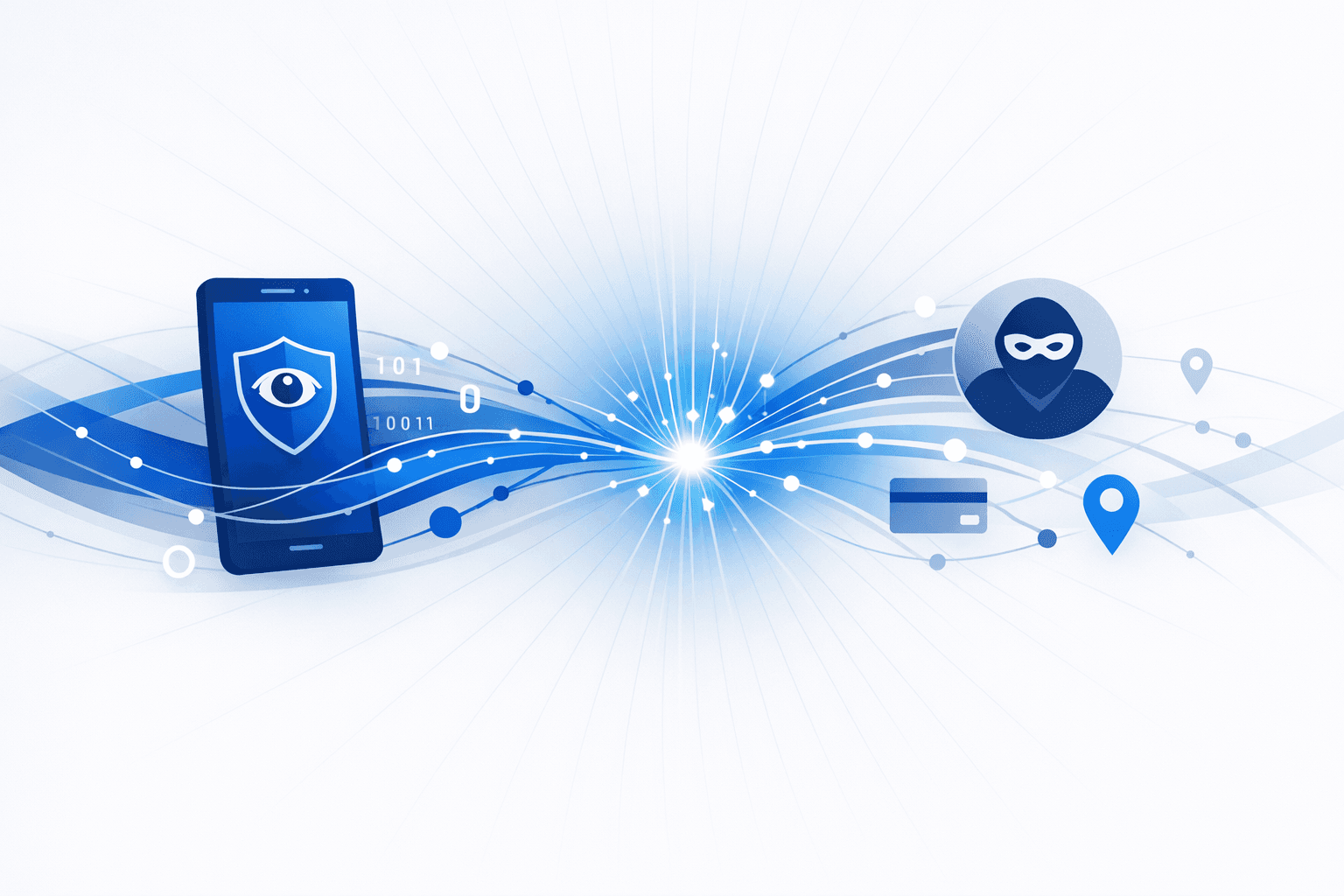
A new Android banking malware named **Sturnus** has been identified by security researchers, exploiting Android’s accessibility features to stealthily monitor user activity, intercept chats, and recreate fake banking app interfaces to steal sensitive financial data. The malware is distributed via malicious APK files outside the Google Play Store and can prevent its own uninstallation, raising the risk for users who sideload apps. Google has stated that no apps containing Sturnus have been found on the Play Store and that Google Play Protect provides automatic protection against known variants, but users are still advised to exercise caution when installing apps from untrusted sources. More broadly, spyware remains a significant threat to mobile device users, with various forms capable of tracking, recording, and stealing data from both iOS and Android phones. Spyware can be disguised as legitimate applications or delivered through phishing, and may include nuisanceware that focuses on ad revenue or more dangerous variants like stalkerware. Users are encouraged to watch for unusual device behavior, unknown apps, or data spikes, and to use antivirus tools, keep devices updated, and avoid untrusted app sources to mitigate these risks.
Jun 29, 2026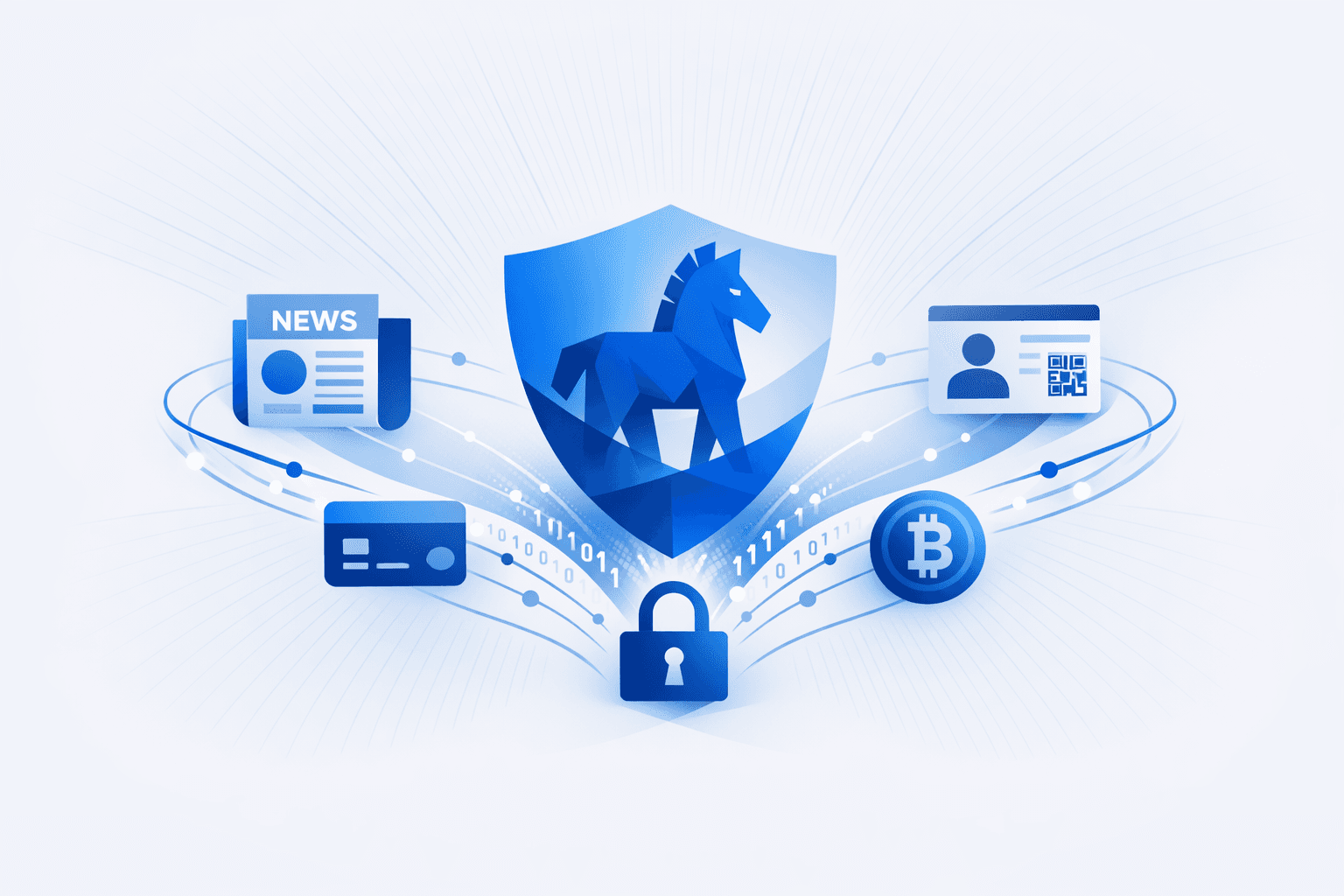
A sophisticated Android banking Trojan, identified as Android/BankBot-YNRK, has been discovered targeting users primarily in Indonesia and potentially other Southeast Asian countries. The malware disguises itself as legitimate applications, including news readers and digital ID apps such as "Identitas Kependudukan Digital," to trick users into installation. Once installed, it leverages Android's accessibility features and device administrator privileges to gain extensive control over the device, allowing it to read on-screen content, simulate user actions, and overlay fake login screens on top of real banking and cryptocurrency apps to harvest credentials. The Trojan employs advanced evasion techniques, such as checking for emulators to avoid detection, obfuscating its code, and muting device notifications to operate stealthily. It connects to a remote command-and-control server to exfiltrate sensitive data, including banking credentials and cryptocurrency wallet keys, and can receive further instructions to update itself or erase traces. The malware's primary objective is financial theft, enabling attackers to drain victims' bank accounts and crypto wallets without their knowledge. Security researchers note that the malware's abuse of accessibility permissions is mitigated in Android 14, which requires explicit user approval for such access, but devices running Android 13 and earlier remain vulnerable.
Jun 29, 2026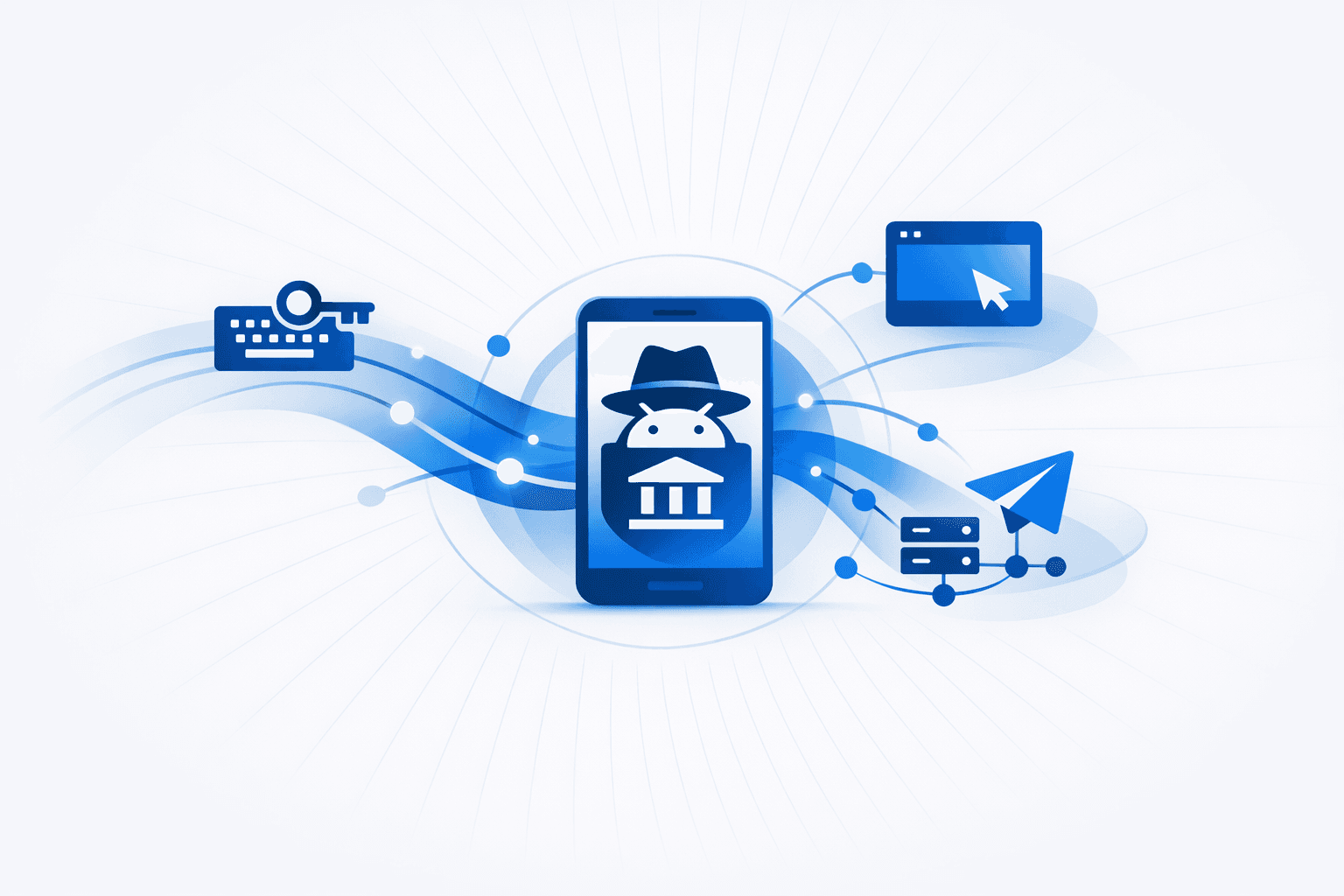
The **Godfather** Android banking trojan has been documented as an active mobile threat that steals financial, identity, and personal data from Android users through extensive device surveillance and account-takeover features. Technical reporting describes the malware abusing Android accessibility services for keylogging and screen interaction monitoring, while also stealing SMS messages and notifications to intercept authentication flows and bypass **2FA**. Researchers said the malware also supports **VNC-style remote control**, proxying, and command-and-control communications, giving operators broad visibility into infected devices and the ability to manipulate sessions tied to banking and other sensitive apps. Analysis of the malware shows Godfather relying on runtime string decryption with **Blowfish**, dynamically retrieving targeted application lists from its C2 infrastructure, and obtaining C2 details from a **Telegram account description** to complicate tracking and takedown efforts. Reporting cited prior observations that the trojan targeted more than **400 financial organizations** between 2021 and 2022, with renewed campaigns focusing heavily on **Turkey** and using fake music applications as an infection vector. Reverse-engineering materials and public research repositories have since published notes, slides, code, and marked-up samples to help defenders better understand the malware's behavior and detection opportunities.
Aug 15, 2026