Loading story…

Cybercriminals are increasingly utilizing advanced Phishing-as-a-Service (PhaaS) kits to conduct large-scale, targeted phishing campaigns that impersonate trusted brands and institutions. These kits, which have doubled in number over the past year, enable even less-skilled attackers to deploy sophisticated attacks at scale by incorporating features such as URL obfuscation, MFA bypass, CAPTCHA abuse, and the use of malicious QR codes and attachments. Threat analysts have observed a surge in new PhaaS entrants, including Cephas, Whisper 2FA, and GhostFrame, alongside established kits like Tycoon 2FA and Mamba 2FA. Attackers are also leveraging AI, social engineering, and polymorphic techniques to evade detection, making it increasingly difficult for organizations to defend against these threats with static security controls alone.
Technical analysis reveals that phishing infrastructure is evolving to include fake verification pages, such as counterfeit Cloudflare Turnstile challenges, which act as intelligent traffic filtering gates. These pages use browser fingerprinting, geolocation, and proxy detection to selectively deliver malicious payloads to high-confidence victims while evading security researchers and automated defenses. The fake verification pages closely mimic legitimate branding and user experience, including fabricated Ray IDs and links to real policy documents, to build trust and bypass scrutiny. Security experts recommend adopting layered defenses, including phishing-resistant MFA, continuous monitoring, and integrated email security, to counter these increasingly sophisticated phishing operations.

Get the infrastructure and lures behind it.
5 events from the most recent confirmed update back to the earliest known activity.
Analysis showed the fake verification page did not load official Cloudflare JavaScript and instead used client-side scripts and server-side APIs to collect browser and environment data for exfiltration. Researchers confirmed the infrastructure functioned as a malicious traffic distribution system and was not affiliated with Cloudflare.
Researchers observed a phishing campaign using a fake Cloudflare Turnstile page as an intelligent traffic filtering gate targeting French users. The infrastructure used browser fingerprinting, geolocation, proxy detection, and redirects to a legitimate French news site to block researchers and non-target traffic while serving phishing content to likely victims.
The phishing infrastructure analyzed in the campaign relied on newly registered domains used to host a fake Cloudflare Turnstile verification page and related backend services. The setup was designed to support selective victim filtering and payload delivery.
Throughout 2025, phishing kits were observed using AI, URL obfuscation, CAPTCHA abuse, malicious QR codes, and polymorphic techniques to improve delivery and evade detection. Named kits including Tycoon 2FA, Mamba 2FA, Cephas, Whisper 2FA, GhostFrame, Sneaky 2FA, and CoGUI were cited as examples of this trend.
Barracuda Networks reported that the number of active phishing-as-a-service kits doubled in 2025, reflecting broader criminal adoption of more capable phishing tooling. The kits increasingly incorporated MFA bypass, evasion features, and abuse of trusted platforms.
Vulnerabilities, threat actors, malware, products, organizations, breaches, and observables Mallory has linked to this story. Indicator values are masked here and available in full in the app.
Indicator values are masked on this page. See the values in Mallory Domains, IPs, hashes, and URLs are exportable to your SIEM.
Get the infrastructure, lures, and IOCs behind this campaign, ready to push into your email and identity stack.
3 references tracked. Mallory keeps watching after this page renders.
socradar.io
Open sourcehelpnetsecurity.com
Open sourcemalwr-analysis.com
Open sourceMap indicators from this story to your assets and identify affected systems in minutes.
Every observed campaign, victim, and pivot linked to actors named in this story.
Malware, exploits, and IOCs connected to the activity described here.
YARA, Sigma, and Snort rules deployed to your SIEM as soon as they’re published.
Get matching new stories delivered to your team as they break — not the next morning.
Ask questions about this story and take action on the answers.
Other stories Mallory is tracking that overlap on entities, sources, or topic labels.
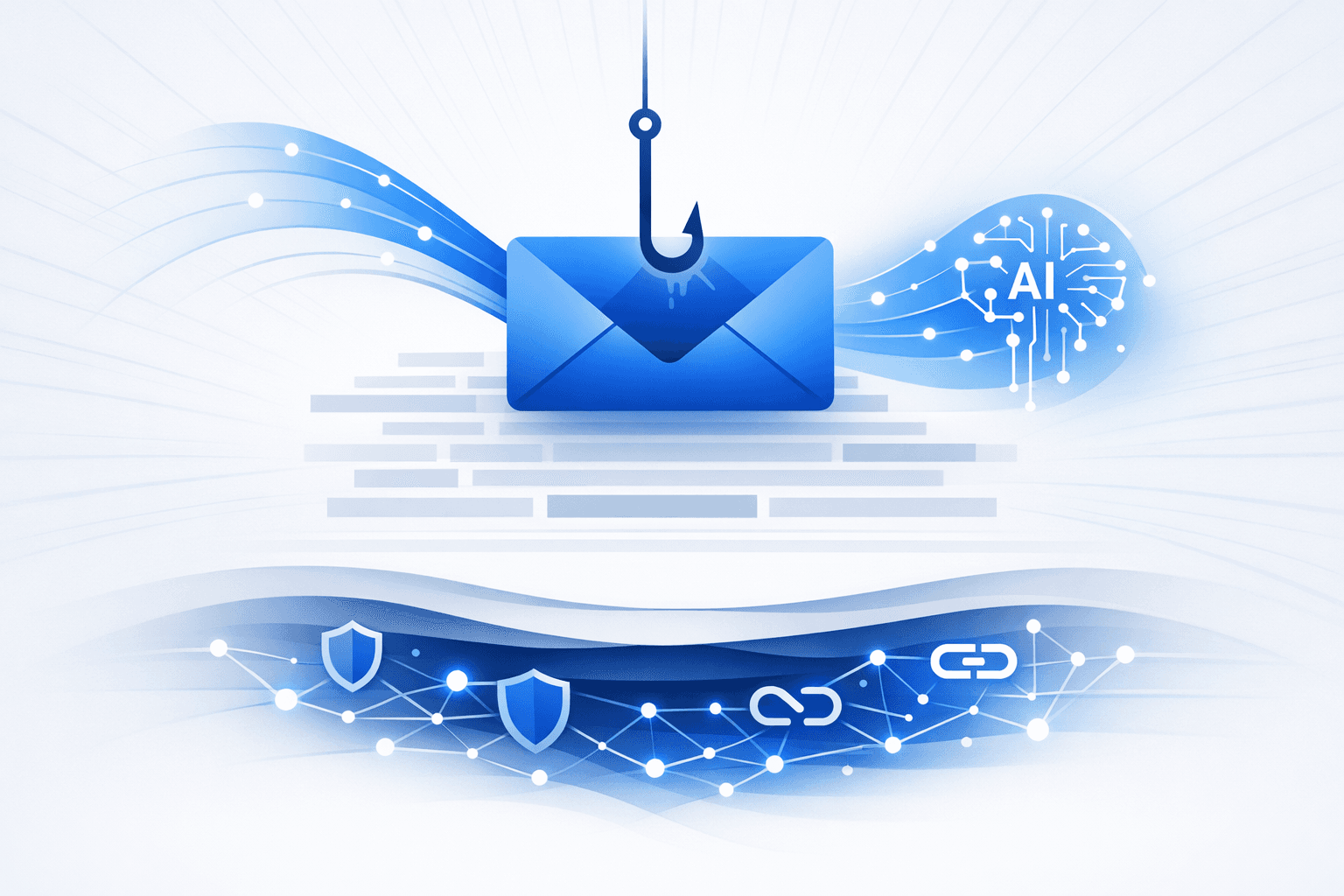
Security researchers reported multiple **phishing evasion** techniques designed to defeat modern email and AI-assisted defenses rather than relying only on traditional lure quality. One campaign analyzed by KnowBe4 used **graymail-style content padding** and extreme whitespace insertion to manipulate NLP-based email security tools, placing benign promotional text, legitimate signatures, and trusted links far below the visible phishing lure so scanners would weigh the message as less malicious. A separate LevelBlue-tracked trend showed attackers abusing enterprise **URL rewriting** and *Safe Links*-style protections by sending phishing through compromised accounts, causing security gateways to generate trusted wrapped URLs that could then be reused in campaigns targeting **Microsoft 365** users. The activity reflects a broader shift toward exploiting the gap between what users see and what automated systems inspect. In the URL-rewriting abuse, operators tied to **Tycoon2FA** and **Sneaky2FA** built multi-layer redirect chains across several trusted vendor domains to obscure final destinations and steal credentials and MFA session cookies through adversary-in-the-middle infrastructure, enabling account takeover, internal phishing, data theft, and sometimes ransomware follow-on activity. Related research from LayerX showed a different but thematically aligned evasion method in which **font rendering and CSS** make webpages display malicious commands to users while AI assistants parsing the underlying HTML see only harmless text, underscoring that attackers are increasingly targeting AI and trust-based inspection layers as part of phishing and social-engineering operations.
Mar 17, 2026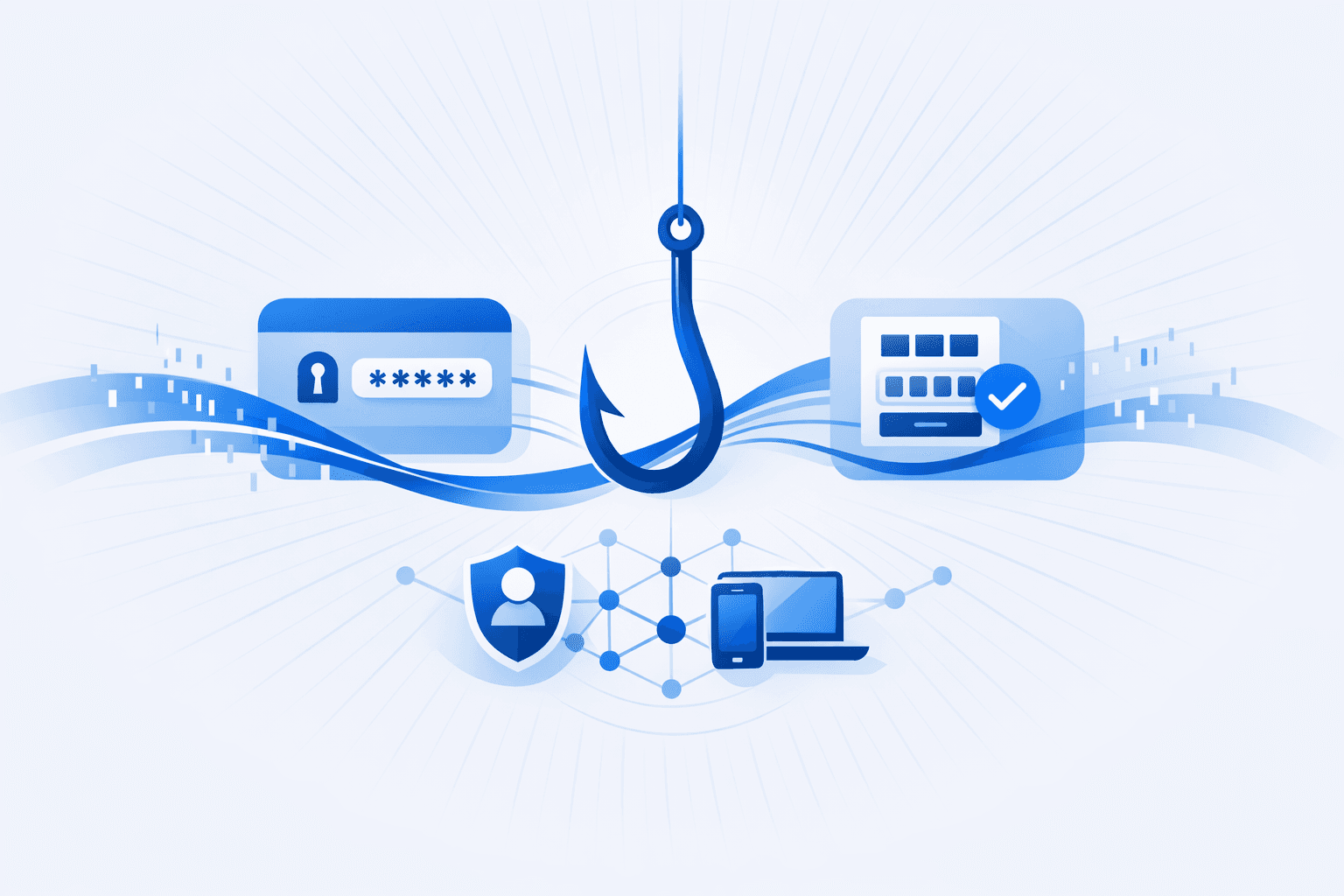
Phishing-as-a-service platforms continued to industrialize account takeover operations, with kits such as **Tycoon2FA**, **EvilProxy**, **Sneaky 2FA**, **CryptoChameleon**, **Darcula**, **Evilginx**, and **EvilTokens** enabling attackers to steal credentials, session cookies, MFA responses, payment-card data, and OAuth tokens at scale. Reporting across 2025 and 2026 described more than a million PhaaS attacks in a two-month period, a possible **CryptoChameleon** social-engineering campaign targeting LastPass and cryptocurrency users, and a targeted adversary-in-the-middle campaign against **RBC Express** online banking customers that used malvertising and cloaking to bypass multi-factor authentication. Researchers also documented a shift from fake login pages toward token theft and abuse of legitimate authentication workflows. A July 2026 analysis tied a bulk phishing platform dubbed **Mailer-Go Mission Control** to **EvilTokens** operations abusing Microsoft's OAuth device-code flow, while sector reporting said AiTM phishing had become the top initial access vector for law firms, with **Tycoon2FA** responsible for over half of AiTM-related compromises in that sector during 2025 despite a March 2026 disruption. The combined reporting warned that modern phishing kits lower the barrier to entry with automation, domain management, and real-time victim interaction, and recommended **phishing-resistant MFA** such as FIDO2/WebAuthn, conditional access, managed-device controls, and rapid revocation of compromised sessions and refresh tokens.
Jun 10, 2026
Threat actors are increasingly abusing free web hosting services such as Cloudflare Pages to host phishing portals that impersonate banking, insurance, and healthcare organizations. These phishing sites are designed to harvest sensitive information including credentials, security questions, and multifactor authentication codes. Attackers benefit from the speed, scale, and resilience provided by free hosting, as well as the use of mainstream messaging platforms like Telegram for exfiltration, making detection and takedown efforts more challenging for defenders. Modern phishing kits have evolved into sophisticated platforms that enable even low-skilled threat actors to deploy convincing credential-harvesting sites rapidly. These kits often include features such as admin panels, real-time credential delivery, proxy capabilities for MFA bypass, and antibot systems to evade security researchers. The accessibility and advanced capabilities of these kits, combined with the use of free hosting and messaging services, have significantly lowered the barrier to entry for large-scale phishing campaigns targeting organizations and individuals alike.
Dec 18, 2025