Healthcare Organizations Face Legal and Notification Fallout From Ransomware-Linked Data Theft
Sector Threat Intelligence · 3 sources · Updated 5mo ago · First seen Feb 19, 2026
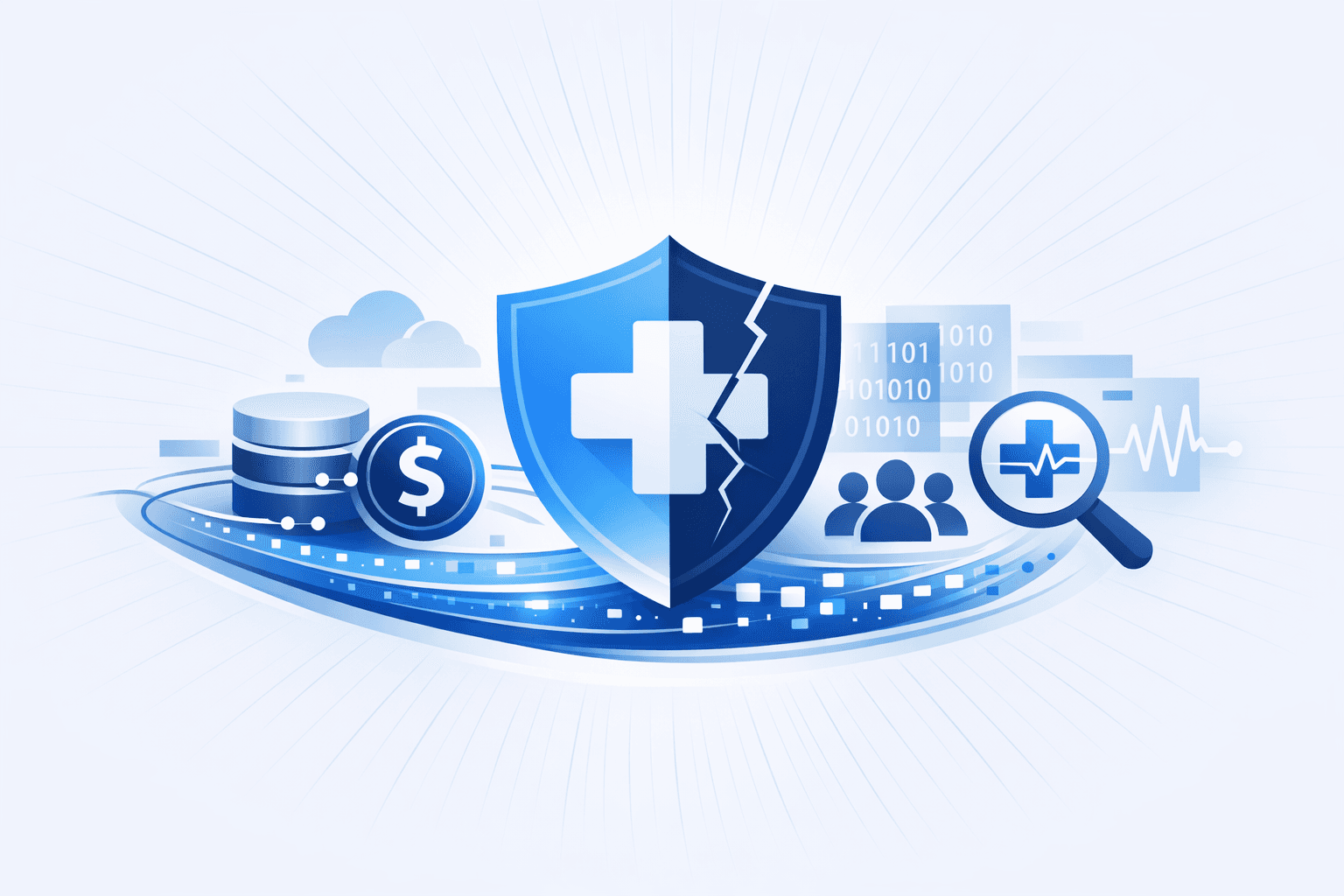
Norton Healthcare agreed to pay $11 million to settle a class-action lawsuit tied to a 2023 ALPHV/BlackCat ransomware-related data theft that reportedly involved 4.7 TB of stolen data and impacted nearly 2.5 million people. The preliminary settlement provides for reimbursement claims (up to $2,500 for unreimbursed expenses), compensation for time spent responding to the incident (up to $80), and three years of medical identity monitoring, pending final court approval.
Separately, Ohio-based Kettering Health began notifying current and former patients and affiliates about a May 2025 ransomware and data theft incident claimed by the Interlock cybercrime group. Reporting indicates Interlock publicly listed Kettering Health on its leak site and claimed roughly 941–950 GB of data, and Kettering previously warned patients about scam calls from fraudsters impersonating medical bill collectors seeking credit card payments—activity consistent with post-breach social engineering and fraud attempts.
Why it matters
Impact assessment
Healthcare providers, their patients, employees, and affiliates are directly affected, with the most severe exposure in regulated healthcare environments handling protected health information, identity data, and financial records. The impact is high: Norton Healthcare’s 2023 ALPHV/BlackCat-linked incident affected nearly 2.5 million people and caused weeks of canceled appointments, surgeries, and procedures, while Kettering Health’s 2025 Interlock-linked incident disrupted care delivery, canceled elective procedures, and forced temporary emergency room diversions.
The scope is substantial and includes both mass data exposure and operational disruption. Exploitation in the wild is confirmed through named ransomware groups, public leak-site claims, and follow-on fraud activity, including scam calls targeting Kettering patients after the breach.
Supporting facts
- Entities affected:
- Norton Healthcare, operating nine hospitals and 480 other care facilities in Kentucky and Indiana
- Kettering Health, operating 14 medical centers and more than 120 outpatient facilities in Western Ohio
- Threat actors:
- ALPHV/BlackCat linked to Norton Healthcare
- Interlock linked to Kettering Health
- Impacted populations:
- Norton: current and former patients, employees, employees’ dependents, and beneficiaries
- Kettering: current and former patients and affiliates
- Exposure scale:
- Norton: nearly 2.5 million affected individuals; ALPHV/BlackCat claimed 4.7 TB stolen
- Kettering: total affected count not disclosed; Interlock claimed 941 GB initially and later 950 GB, including 732,490 files and 20,251 folders
- Business and operational consequences:
- Norton: appointments, surgeries, and other medical procedures canceled for several weeks
- Kettering: prolonged IT disruption, canceled elective inpatient and outpatient procedures, temporary ER diversions
- Financial and legal consequences:
- Norton agreed to an $11 million class-action settlement
- Settlement includes up to $2,500 for unreimbursed losses, up to $80 for time spent responding, and three years of medical identity monitoring
- Secondary victimization:
- Kettering warned of scam calls from impersonators posing as medical bill collectors seeking credit card payments
- Data at risk included:
- Social Security numbers, dates of birth, health and insurance information, financial account data, government ID numbers, and other sensitive identifiers