
Loading story…
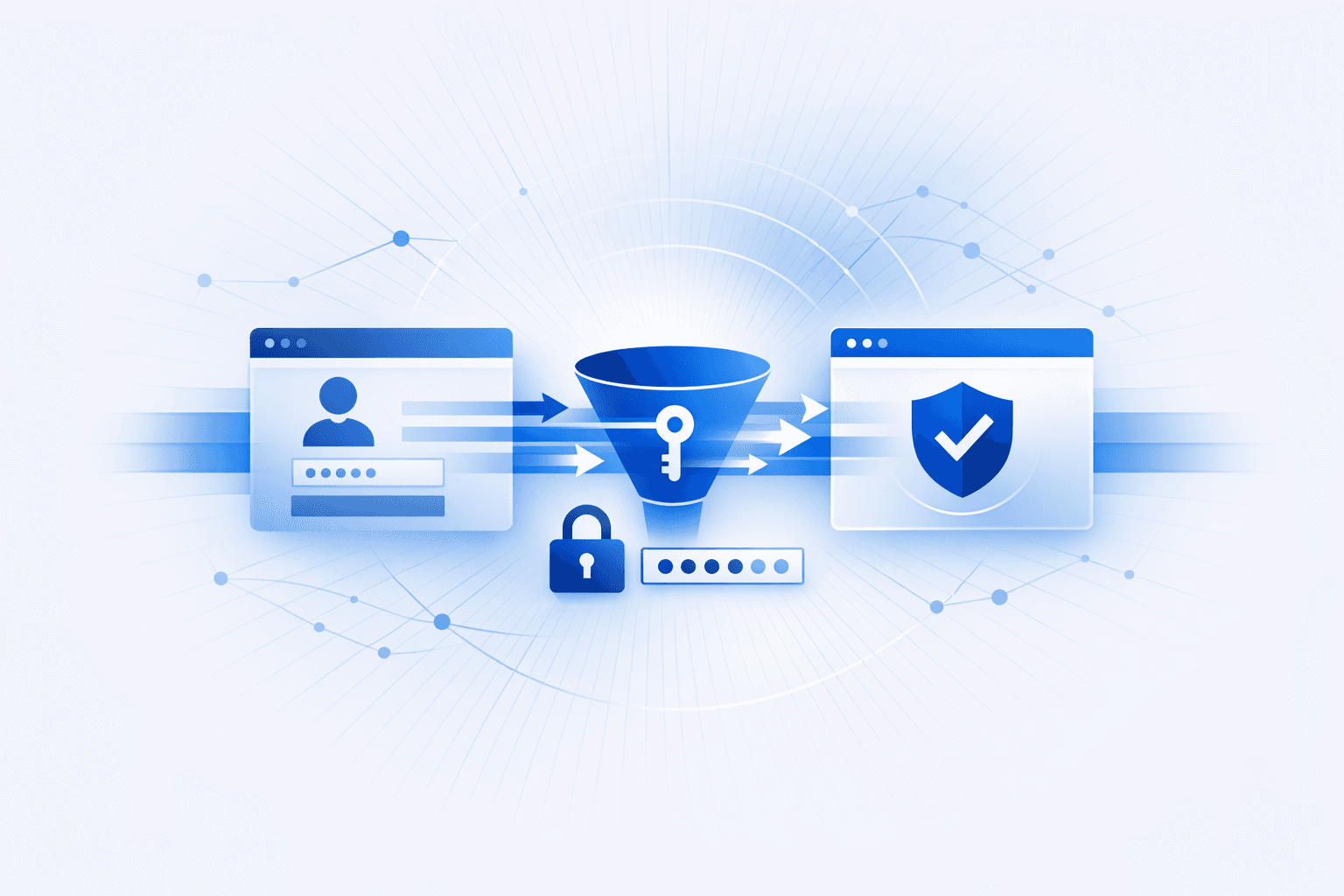
Security researchers reported a new phishing-as-a-service (PhaaS) platform, Starkiller, that defeats many common anti-phishing controls by live-proxying victims to the legitimate login pages of targeted brands while relaying traffic through attacker infrastructure. Instead of serving a static fake page, Starkiller dynamically loads the real site and captures what the user enters—username, password, and multi-factor authentication (MFA) codes—then forwards those inputs to the legitimate service and returns responses to the victim, enabling real-time session takeover.
Reporting based on Abnormal AI’s analysis describes Starkiller as a polished, SaaS-like offering with a dashboard, campaign analytics, and regular updates, lowering the technical barrier for running advanced adversary-in-the-middle phishing. The service supports brand selection (e.g., Microsoft, Google, Apple, Facebook) and uses deceptive link techniques such as embedding a trusted-looking domain before an @ (e.g., login.microsoft.com@...)—where the portion before @ is treated as username data and the actual destination is what follows—often combined with URL shorteners to increase click-through and evade user scrutiny.
Get the infrastructure and lures behind it.
4 events from the most recent confirmed update back to the earliest known activity.
Later reporting said Starkiller also targets platforms including Apple and Facebook and may include modules for financial fraud, such as theft of credit card data and cryptocurrency wallet recovery phrases. This expanded the public understanding of the framework beyond basic credential harvesting and session hijacking.
Subsequent coverage attributed Starkiller to a threat group or operation calling itself Jinkusu, which was described as selling the service and related add-on capabilities through a criminal ecosystem. Reports said the offering included features such as session monitoring, credential alerts, and harvesting of additional contact or account data from compromised sessions.
Public reporting described Starkiller as a phishing-as-a-service platform that uses an adversary-in-the-middle reverse proxy to capture credentials, MFA inputs, and session tokens in real time, enabling account takeover even when MFA is completed successfully. The reporting also noted operational features such as containerized browser sessions, deceptive URL masking, and real-time monitoring of victim sessions.
Abnormal AI disclosed Starkiller as a phishing framework that proxies real login pages through attacker-controlled infrastructure, centralizes campaign operations in a control panel, and supports impersonation of major brands such as Microsoft and Google. The research highlighted how the framework lowers the barrier to running large-scale credential and session theft campaigns.
Vulnerabilities, threat actors, malware, products, organizations, and breaches Mallory has linked to this story.
Get the infrastructure, lures, and IOCs behind this campaign, ready to push into your email and identity stack.
5 references tracked. Mallory keeps watching after this page renders.
cybersecuritynews.com
Open sourcescworld.com
Open sourcekrebsonsecurity.com
Open sourcedarkreading.com
Open sourceabnormal.ai
Open sourceMap indicators from this story to your assets and identify affected systems in minutes.
Every observed campaign, victim, and pivot linked to actors named in this story.
Malware, exploits, and IOCs connected to the activity described here.
YARA, Sigma, and Snort rules deployed to your SIEM as soon as they’re published.
Get matching new stories delivered to your team as they break — not the next morning.
Ask questions about this story and take action on the answers.
Other stories Mallory is tracking that overlap on entities, sources, or topic labels.
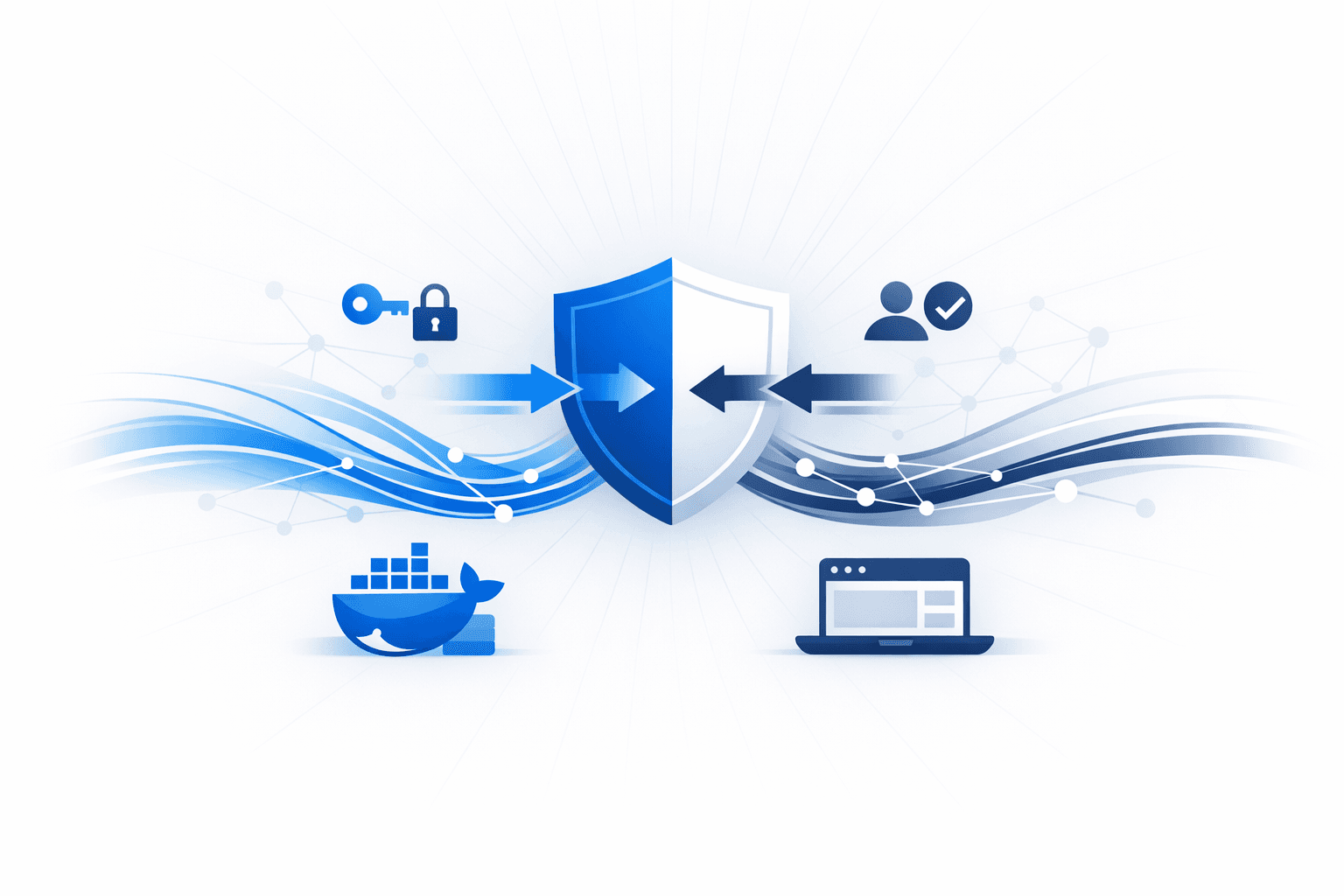
Researchers disclosed **Starkiller**, a phishing-as-a-service suite advertised by a group calling itself **Jinkusu** that uses an **adversary-in-the-middle (AiTM) reverse proxy** to bypass multi-factor authentication by relaying victims to *live* legitimate login pages while capturing credentials and session tokens for account takeover. The tooling reportedly runs a headless Chrome instance inside a **Docker** container to load the real target site and proxy traffic end-to-end, reducing the need for static phishing templates and making fingerprinting/blocklisting harder; it also provides an operator dashboard to select brands/URLs to impersonate, supports lure keyword customization (e.g., “login,” “verify,” “security,” “account”), and integrates URL shorteners (e.g., *TinyURL*) to mask destinations. Separate reporting described a targeted AiTM intrusion attempt that used multiple redirect hops and an **ASP.NET Core** reverse proxy in front of Microsoft 365 login pages, but the author could not attribute it to any known commercial kit based on published AiTM “cheat sheets,” highlighting ongoing evolution and diversification of reverse-proxy phishing stacks beyond commonly documented PHP/Node/Go/Python implementations. Other items in the set cover unrelated malware and threat activity (Android trojans, an Iraq-focused APT campaign, an APT42 PowerShell backdoor, malvertising redirect mechanics, and scam-infrastructure/supply-chain activity) and do not materially add to the Starkiller AiTM disclosure.
Jun 29, 2026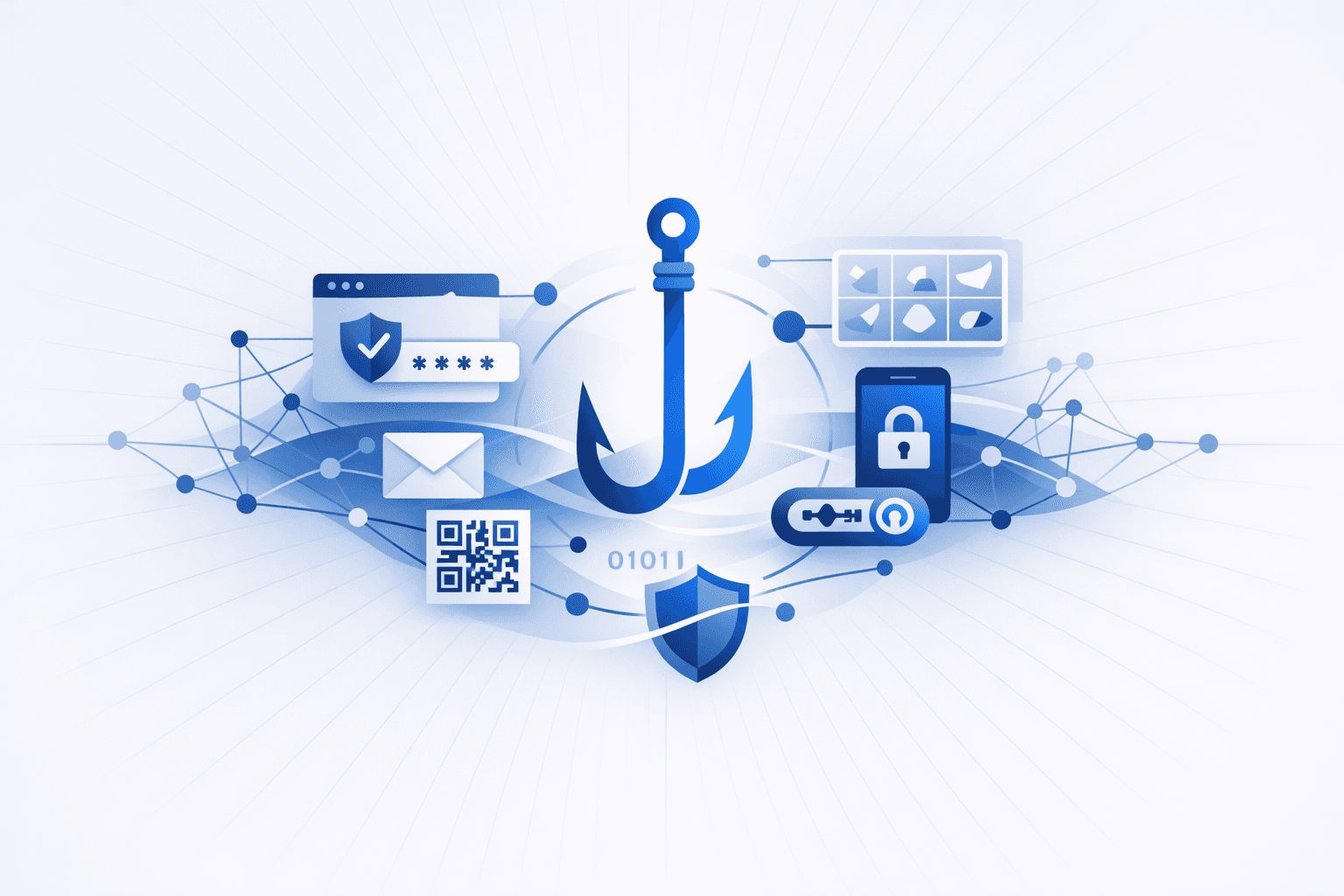
Cybercriminals are increasingly utilizing advanced Phishing-as-a-Service (PhaaS) kits to conduct large-scale, targeted phishing campaigns that impersonate trusted brands and institutions. These kits, which have doubled in number over the past year, enable even less-skilled attackers to deploy sophisticated attacks at scale by incorporating features such as URL obfuscation, MFA bypass, CAPTCHA abuse, and the use of malicious QR codes and attachments. Threat analysts have observed a surge in new PhaaS entrants, including Cephas, Whisper 2FA, and GhostFrame, alongside established kits like Tycoon 2FA and Mamba 2FA. Attackers are also leveraging AI, social engineering, and polymorphic techniques to evade detection, making it increasingly difficult for organizations to defend against these threats with static security controls alone. Technical analysis reveals that phishing infrastructure is evolving to include fake verification pages, such as counterfeit Cloudflare Turnstile challenges, which act as intelligent traffic filtering gates. These pages use browser fingerprinting, geolocation, and proxy detection to selectively deliver malicious payloads to high-confidence victims while evading security researchers and automated defenses. The fake verification pages closely mimic legitimate branding and user experience, including fabricated Ray IDs and links to real policy documents, to build trust and bypass scrutiny. Security experts recommend adopting layered defenses, including phishing-resistant MFA, continuous monitoring, and integrated email security, to counter these increasingly sophisticated phishing operations.
Jun 29, 2026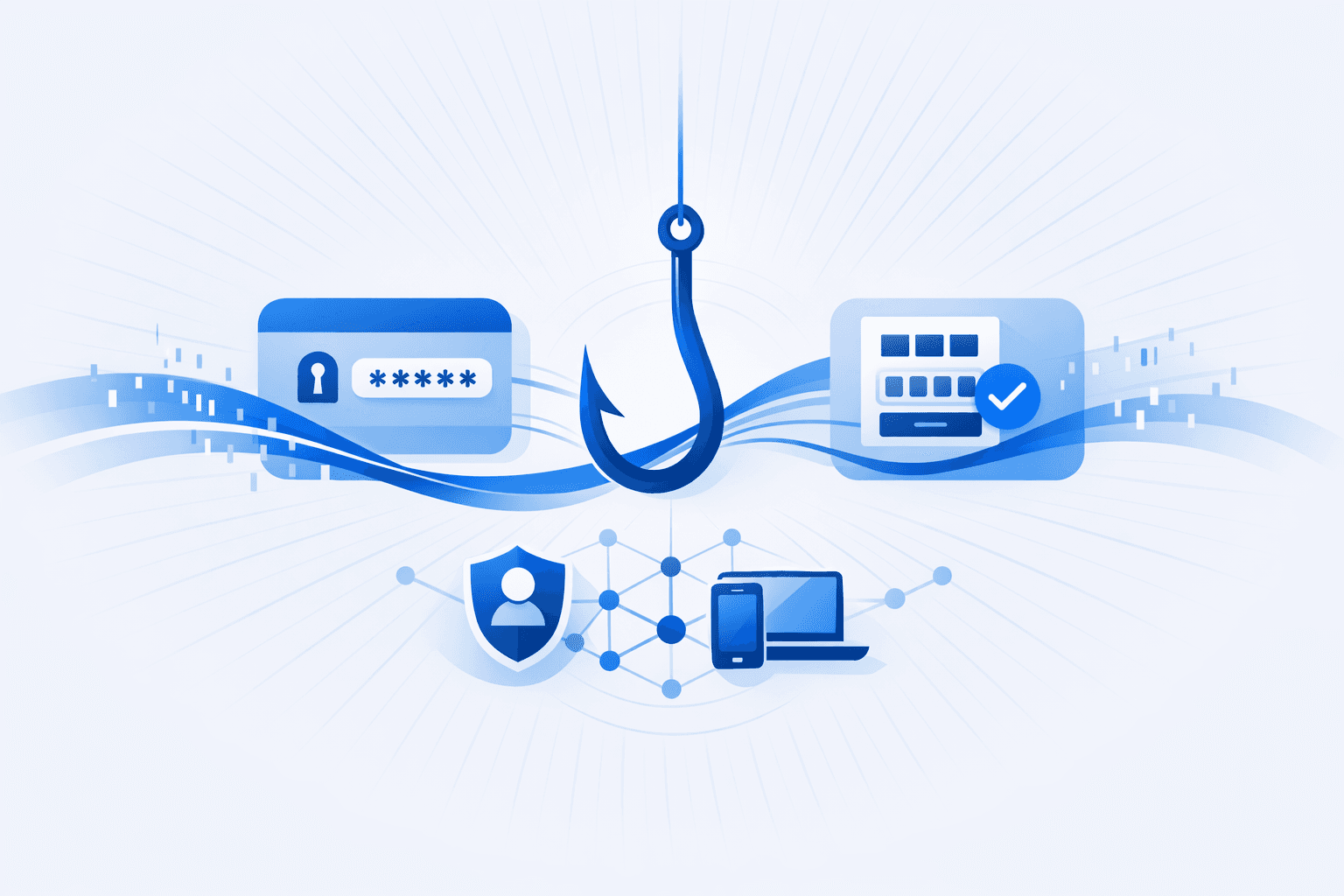
Phishing-as-a-service platforms continued to industrialize account takeover operations, with kits such as **Tycoon2FA**, **EvilProxy**, **Sneaky 2FA**, **CryptoChameleon**, **Darcula**, **Evilginx**, and **EvilTokens** enabling attackers to steal credentials, session cookies, MFA responses, payment-card data, and OAuth tokens at scale. Reporting across 2025 and 2026 described more than a million PhaaS attacks in a two-month period, a possible **CryptoChameleon** social-engineering campaign targeting LastPass and cryptocurrency users, and a targeted adversary-in-the-middle campaign against **RBC Express** online banking customers that used malvertising and cloaking to bypass multi-factor authentication. Researchers also documented a shift from fake login pages toward token theft and abuse of legitimate authentication workflows. A July 2026 analysis tied a bulk phishing platform dubbed **Mailer-Go Mission Control** to **EvilTokens** operations abusing Microsoft's OAuth device-code flow, while sector reporting said AiTM phishing had become the top initial access vector for law firms, with **Tycoon2FA** responsible for over half of AiTM-related compromises in that sector during 2025 despite a March 2026 disruption. The combined reporting warned that modern phishing kits lower the barrier to entry with automation, domain management, and real-time victim interaction, and recommended **phishing-resistant MFA** such as FIDO2/WebAuthn, conditional access, managed-device controls, and rapid revocation of compromised sessions and refresh tokens.
Aug 15, 2026