
Loading story…
Multiple reports highlighted ClickFix-style social engineering that convinces users to paste attacker-supplied commands into a terminal, leading to infostealer installation. Malwarebytes documented a macOS lure impersonating CleanMyMac via cleanmymacos[.]org, where victims are instructed to run a Terminal command that prints a reassuring message, decodes a hidden (base64) destination, and then downloads and executes a remote shell script via zsh. The resulting payload installs SHub Stealer, which targets saved passwords, browser data, Apple Keychain contents, Telegram sessions, and cryptocurrency wallets; it can also tamper with wallet applications (e.g., Exodus, Atomic Wallet, Ledger Live) to enable later theft of recovery phrases.
Microsoft threat intelligence (as reported by The Hacker News) described a parallel Windows ClickFix campaign that shifts from the traditional Run-dialog paste to Windows Terminal (wt.exe) using the Win + X → I shortcut, exploiting the tool’s administrative legitimacy to reduce suspicion and evade detections tuned to Run-dialog abuse. In that chain, users paste a hex-encoded/XOR-compressed command that spawns additional Terminal/PowerShell stages to decode scripts, download a ZIP payload plus a legitimate-but-renamed 7-Zip binary, extract additional components, establish persistence via scheduled tasks, configure Microsoft Defender exclusions, and ultimately deploy Lumma Stealer (including use of QueueUserAPC() for injection).
Pull IOCs and campaign context straight into your stack.
6 events from the most recent confirmed update back to the earliest known activity.
By March 31, 2026, Moonlock Lab documented a ClickFix campaign targeting crypto, Web3, blockchain, VC, and fintech professionals through fake LinkedIn recruiter personas, Calendly links, and spoofed Zoom or Google Meet pages. The campaign used fake verification prompts to copy OS-specific Terminal commands that launched multi-stage payloads stealing credentials and crypto wallet data, with tradecraft overlaps noted with DPRK-linked UNC1069 and Contagious Interview activity.
Analysis of the macOS campaign showed SHub stealing Keychain, browser, iCloud, Notes, Telegram, and wallet data, backdooring Electron-based cryptocurrency wallet apps to capture seed phrases and passwords, and persisting via a LaunchAgent masquerading as Google Keystone.
By March 6, 2026, researchers reported that the fake site cleanmymacos[.]org was impersonating CleanMyMac and using a ClickFix-style Terminal command to install SHub Stealer on macOS systems.
On March 6, 2026, Microsoft publicly revealed the Windows Terminal-focused ClickFix campaign, including a second infection path involving batch/VBS/MSBuild execution and possible EtherHiding through blockchain RPC endpoints, along with defensive guidance.
In the observed February campaign, pasted Terminal commands decoded and launched multi-stage payloads that downloaded archives and tools, established persistence with scheduled tasks, altered Microsoft Defender exclusions, and ultimately deployed Lumma Stealer to steal browser credentials from Chrome and Edge.
Microsoft Threat Intelligence observed a widespread ClickFix social-engineering campaign in February 2026 that shifted from the Windows Run dialog to Windows Terminal, using fake CAPTCHA, verification, and troubleshooting lures to trick users into pasting malicious commands.
Vulnerabilities, threat actors, malware, products, organizations, breaches, and observables Mallory has linked to this story. Indicator values are masked here and available in full in the app.
Indicator values are masked on this page. View all 13 in Mallory Domains, IPs, hashes, and URLs are exportable to your SIEM.
Pull the IOCs, campaigns, and victimology behind this family, ready to push into your SIEM and EDR.
8 references tracked. Mallory keeps watching after this page renders.
hackernoon.com
Open sourcescworld.com
Open sourcehackread.com
Open sourcecybersecuritynews.com
Open sourcesecurityaffairs.com
Open sourcemalwarebytes.com
Open sourcethehackernews.com
Open sourcego.theregister.com
Open sourceMap indicators from this story to your assets and identify affected systems in minutes.
Every observed campaign, victim, and pivot linked to actors named in this story.
Malware, exploits, and IOCs connected to the activity described here.
YARA, Sigma, and Snort rules deployed to your SIEM as soon as they’re published.
Get matching new stories delivered to your team as they break — not the next morning.
Ask questions about this story and take action on the answers.
Other stories Mallory is tracking that overlap on entities, sources, or topic labels.
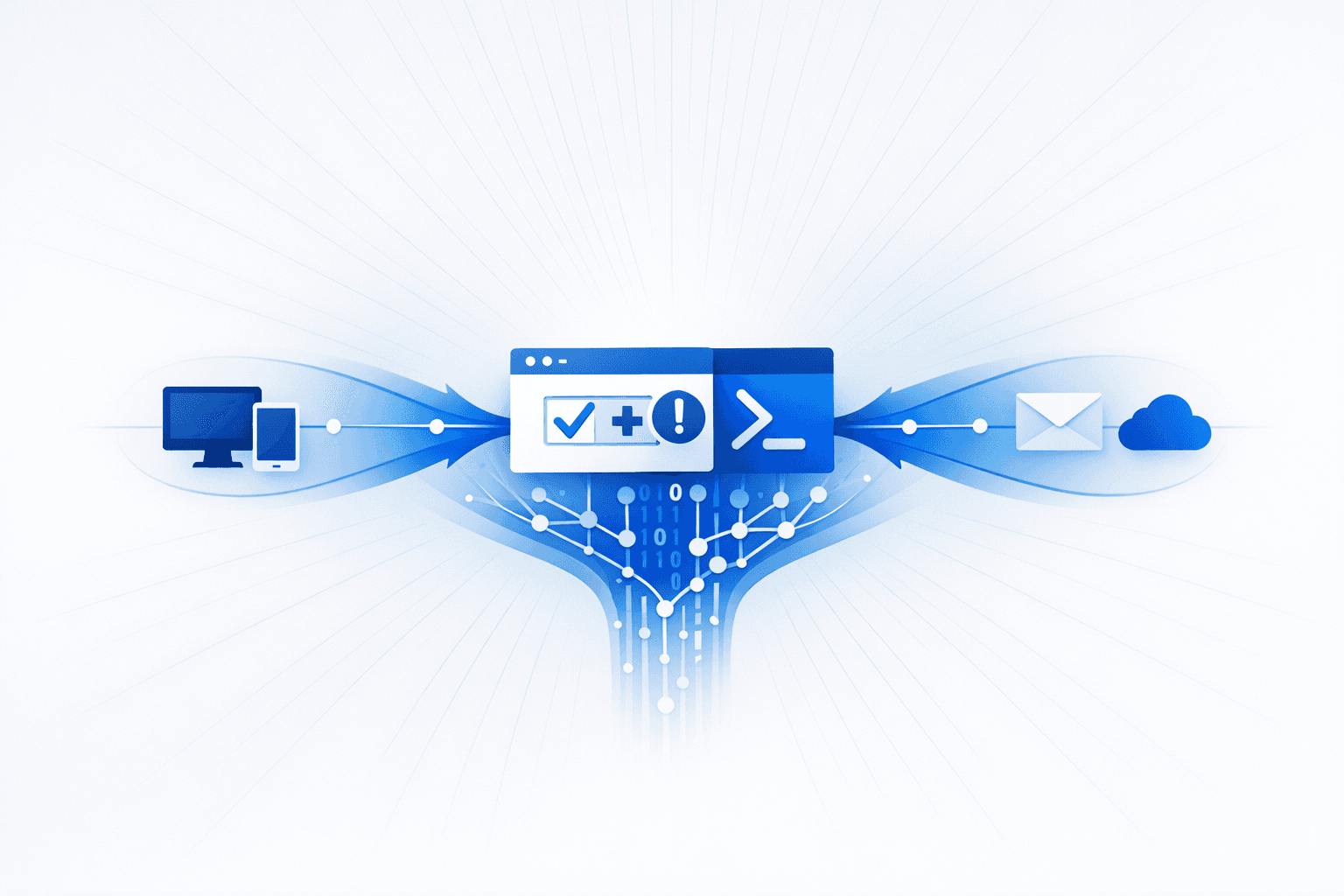
Security researchers reported multiple active campaigns using **ClickFix** social engineering—fake error dialogs or verification prompts that trick users into manually running attacker-supplied commands—to bypass browser and download protections and establish an initial foothold. In one enterprise case investigated by **CERT Polska (cert.pl)**, victims were lured via compromised websites showing a fake CAPTCHA/“fix” prompt that instructed them to paste and run a **PowerShell** command via `Win+R`; the script then downloaded a dropper and enabled rapid follow-on activity that can scale to **enterprise-wide compromise**, including deployment of secondary malware such as **Latrodectus** and **Supper** for data theft, lateral movement, and potential ransomware staging. A separate ClickFix operation targeted **macOS developers** by cloning the *Homebrew* site on typosquatted infrastructure; the “install” command was subtly altered to fetch content from `raw.homabrews.org` instead of `raw.githubusercontent.com`, leading to **Cuckoo Stealer** deployment and credential harvesting via repeated password prompts using macOS Directory Services, with related domains tied to shared hosting at **`5.255.123.244`**. ClickFix was also observed as the initial execution mechanism for the resurfaced **Matanbuchus 3.0** MaaS loader, which uses deceptive copy/paste prompts and **silent MSI** execution (via `msiexec`) to deliver a new payload, **AstarionRAT**, enabling capabilities including credential theft and **SOCKS5** proxying; operators were reported to move laterally quickly (including toward domain controllers), consistent with ransomware or data-exfiltration objectives.
Jul 2, 2026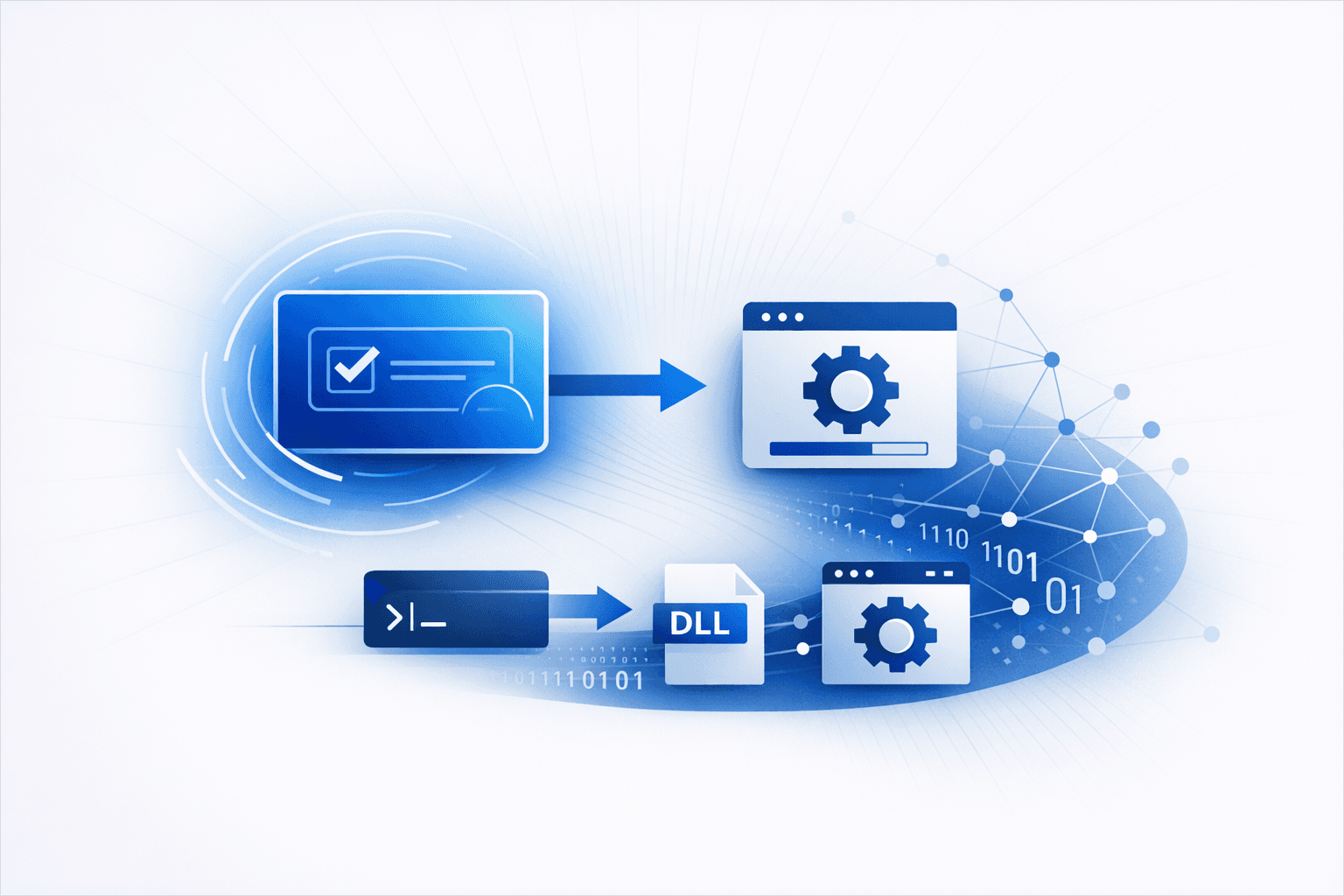
Security researchers reported multiple **ClickFix** campaigns that compromise endpoints by tricking users into manually executing attacker-provided commands rather than exploiting a software vulnerability. CERT Polska documented an incident response at a large Polish organization where a **fake CAPTCHA** prompt led a user to run a malicious snippet via *Win+R*, resulting in malware execution and suspected **DLL side-loading** from `%APPDATA%\Intel` (legitimate `igfxSDK.exe`/`version.dll` alongside a suspicious `wtsapi32.dll`). Investigators also identified additional suspicious DLLs in the user’s local AppData and recovered an execution trail consistent with a one-liner that fetched remote content and piped it into PowerShell (e.g., `cmd /c curl ... | powershell`). Separately, threat hunting research described a macOS-focused ClickFix operation using **typosquatted Homebrew** lookalike sites to present a “copy/paste” install command that runs in Terminal. The first-stage script repeatedly prompted for a password and validated it using `dscl authonly` to harvest working credentials before deploying a second-stage infostealer dubbed **Cuckoo Stealer**, which was reported to establish **LaunchAgent** persistence, remove quarantine attributes, and communicate over encrypted HTTPS C2 while targeting browser credentials/session tokens, Keychain data, notes/messaging artifacts, VPN/FTP configs, and cryptocurrency wallets. Both reports highlight ClickFix as an increasingly common, opportunistic initial access technique that scales by abusing trusted user workflows on Windows and macOS.
Jun 29, 2026
Attackers are increasingly compromising macOS systems through **ClickFix** and related social-engineering lures that trick users into pasting malicious commands into Terminal, often behind fake Cloudflare checks, bogus troubleshooting steps, fraudulent support messages, or compromised websites. A large campaign tied to hundreds of hacked WordPress sites served platform-specific payloads and used the **Polygon** blockchain to hide command-and-control locations, while the macOS payload ran largely in memory, harvested Keychain data, browser information, SSH keys, screenshots, and other files, then staged stolen data in `/tmp/osalogging.zip` before exfiltrating it. Researchers said the technique does not rely on a macOS software flaw, but on convincing victims to execute attacker-supplied commands themselves. Threat reporting indicates the tactic has become a dominant initial-access method against Mac users, especially cryptocurrency holders and developers, and that recent Apple paste warnings in Terminal have already been bypassed through Script Editor abuse. Separate intrusion research linked cryptocurrency-focused activity to malware families including **DEEPBREATH**, **SUGARLOADER**, and **CHROMEPUSH**, showing how post-compromise tooling on macOS can escalate from social engineering to broad credential and data theft by targeting `TCC.db`, Keychain contents, Chromium-based browsers, Telegram data, and Apple Notes. Security teams are being urged to prioritize behavioral detection, cross-platform response, and user controls that prevent unverified command execution on Macs.
Jul 16, 2026