
Loading story…
Grafana Labs disclosed that attackers gained unauthorized access to parts of its GitHub environment using compromised workflow token credentials and downloaded portions of the company’s codebase, including some private repositories. The company said its investigation found no evidence that customer data, personal information, production systems, Grafana Cloud infrastructure, or customer operations were affected, and it reported no signs that the stolen code was modified. Grafana also said attackers obtained some internal operational information and business contact details, while the intrusion was confined to development and repository systems.
Grafana later tied the breach to the broader TanStack npm supply-chain compromise, saying malicious packages executed in its CI/CD environment and exfiltrated GitHub workflow tokens, with one token missed during initial rotation and later used to access repositories. The company invalidated compromised credentials, removed or disabled affected workflows, audited repository activity, hardened its GitHub and CI/CD security posture, and notified law enforcement. After the theft, the attackers attempted to extort Grafana by threatening to leak the stolen material; Grafana refused to pay, while external reporting linked the incident to CoinbaseCartel and the wider Shai-Hulud/TeamPCP campaign.

Trace attribution and downstream blast radius.
8 events from the most recent confirmed update back to the earliest known activity.
Grafana later said attackers downloaded not only source code but also some internal operational information and business contact details, while finding no evidence of code modification or impact to production systems. The company said it rotated automation tokens, audited repository activity, hardened CI/CD and GitHub security, and notified federal law enforcement.
On May 19, 2026, Grafana said its GitHub breach was part of the TanStack npm supply-chain compromise attributed to TeamPCP. The company disclosed that a missed GitHub workflow token rotation enabled repository access after the initial response.
After discovering the breach, Grafana invalidated compromised credentials, added security safeguards, and launched a forensic investigation to determine how the token was exposed and what repositories were accessed. Multiple reports say the company also identified the source of the credential leak.
Grafana disclosed on May 16, 2026, that a threat actor used a stolen token to access its GitHub environment and download source code. The company said it found no evidence that customer data, customer systems, or operations were affected.
Grafana said attackers demanded payment on May 16, 2026, threatening to release stolen material from its GitHub environment. The company refused to pay, citing FBI guidance against ransom payments.
Reporting said the data-extortion group CoinbaseCartel listed Grafana Labs on its dark web leak site on May 15, 2026, publicly claiming the attack. This made the incident visible outside the company before fuller technical details emerged.
Grafana said it detected the targeted breach of its GitHub environment on May 11, 2026. The company later linked the intrusion to the TanStack npm supply-chain compromise and a missed workflow token rotation.
Grafana said it first detected suspicious activity related to the compromise on May 1, 2026, during the broader TanStack npm supply-chain incident. The activity was later tied to malicious packages that exfiltrated GitHub workflow tokens.
Vulnerabilities, threat actors, malware, products, organizations, and breaches Mallory has linked to this story.
See attribution and downstream blast radius, and whether this package or vendor reaches your builds.
15 references tracked. Mallory keeps watching after this page renders.
teiss.co.uk
Open sourcecybersecuritynews.com
Open sourcethehackernews.com
Open sourcebleepingcomputer.com
Open sourcehelpnetsecurity.com
Open sourcecybersecuritynews.com
Open sourcethehackernews.com
Open sourceopennet.me
Open sourceMap indicators from this story to your assets and identify affected systems in minutes.
Every observed campaign, victim, and pivot linked to actors named in this story.
Malware, exploits, and IOCs connected to the activity described here.
YARA, Sigma, and Snort rules deployed to your SIEM as soon as they’re published.
Get matching new stories delivered to your team as they break — not the next morning.
Ask questions about this story and take action on the answers.
Other stories Mallory is tracking that overlap on entities, sources, or topic labels.
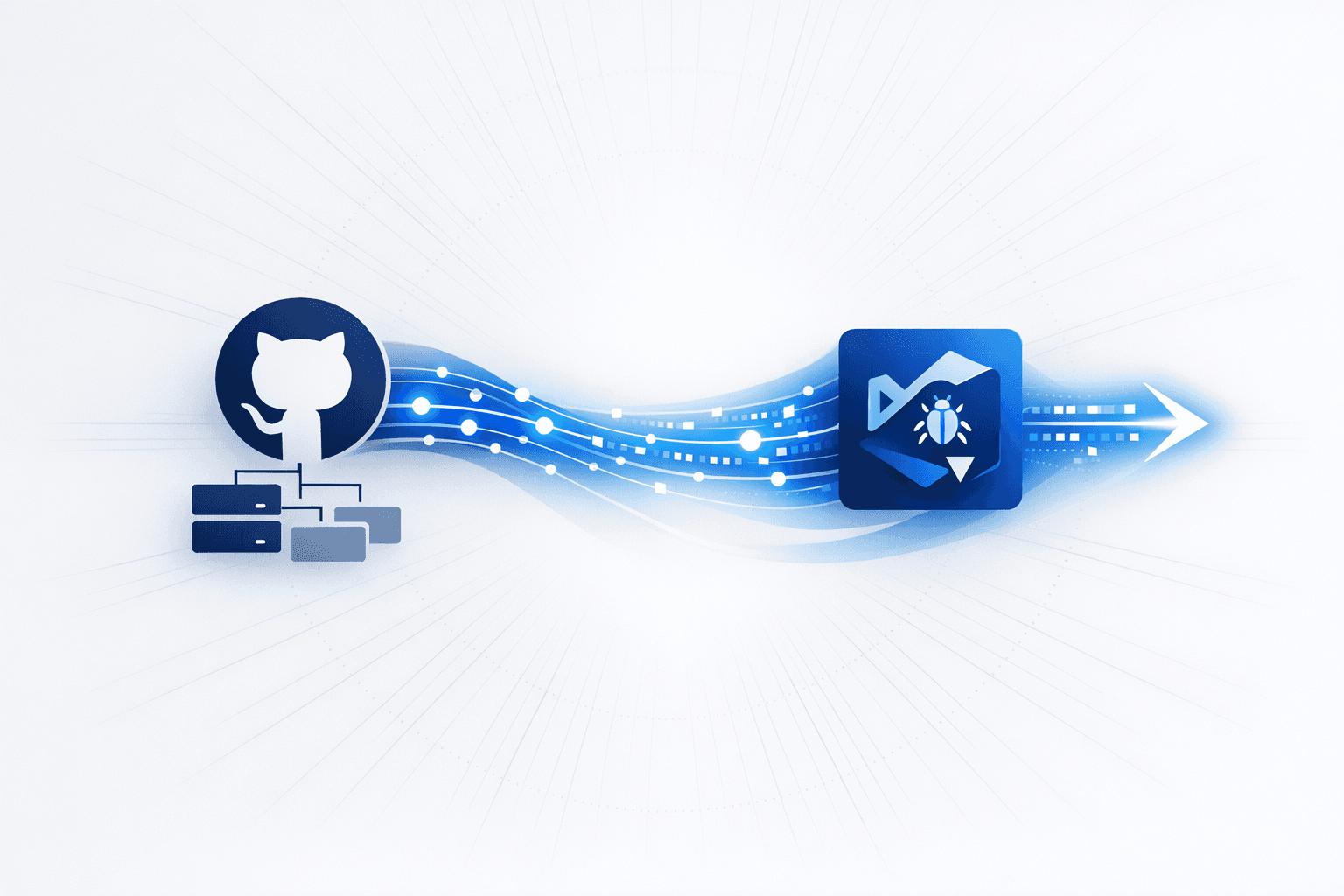
GitHub confirmed that an attacker accessed internal repositories after a malicious Visual Studio Code extension was installed on an employee device, leading to the exfiltration of roughly **3,800 GitHub-internal repositories**. GitHub said it detected and contained the intrusion, removed the malicious extension version, and isolated the affected endpoint. Independent analysis of a leaked file list reportedly found **3,874 unique** `.tar.gz` archive names, broadly matching GitHub’s estimate of the stolen data. The exposed repositories reportedly include projects tied to **security tooling, identity systems, CI/CD, infrastructure-as-code, GitHub Actions, Terraform, certificates, and Copilot-related work**, increasing the risk of follow-on supply-chain abuse and targeted social engineering. The threat actor, using the alias **TeamPCP**, is said to be offering the dataset for sale on an underground forum for more than **$50,000**, raising concerns that internal code and operational details could be weaponized against GitHub and its customers.
Jul 12, 2026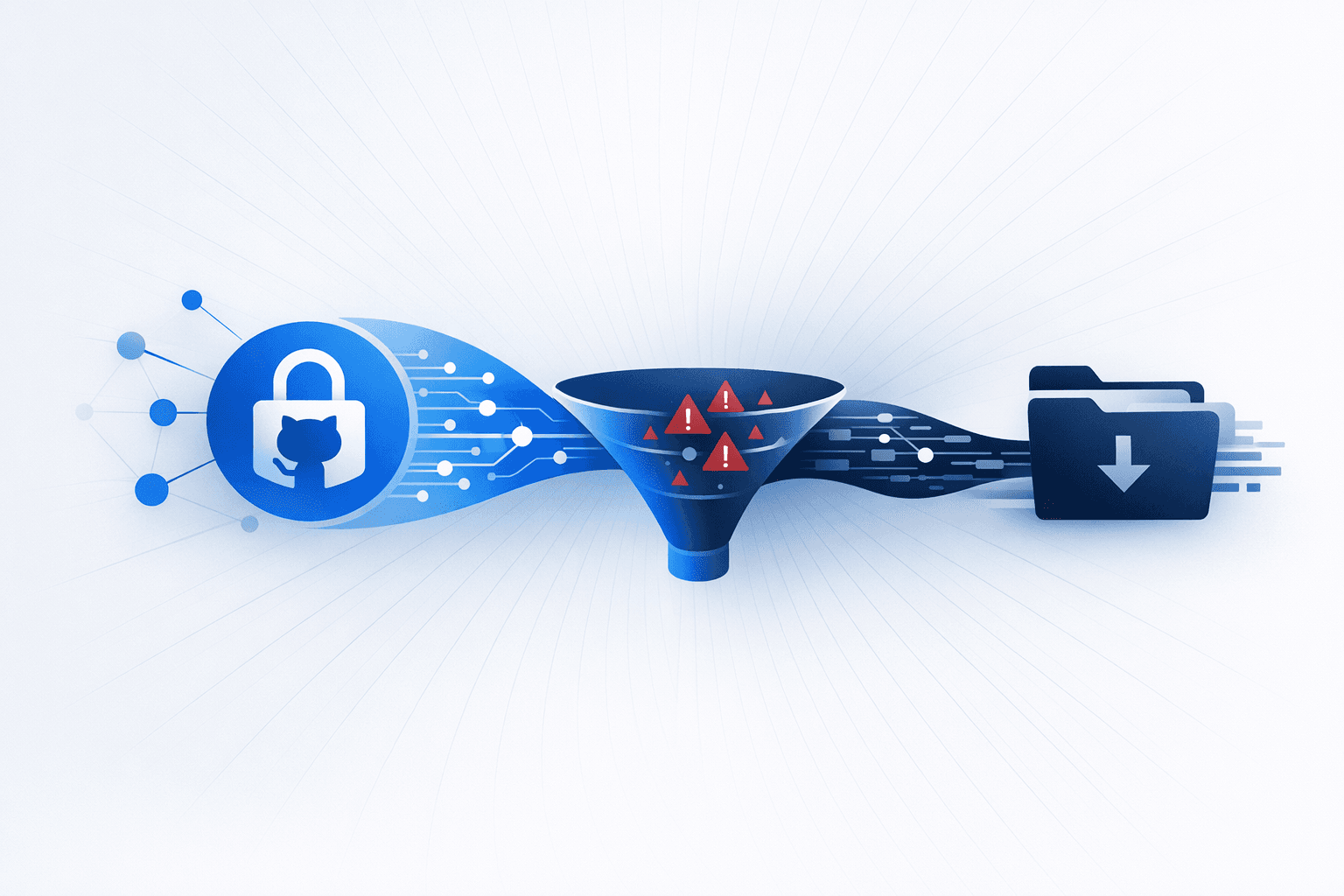
GitHub confirmed that attackers exfiltrated about **3,800 internal repositories** after compromising an employee device with a trojanized Visual Studio Code extension, later identified in multiple reports as **Nx Console `18.95.0`**. The company said the malicious extension was removed, the affected endpoint was isolated, critical secrets and credentials were rotated, and incident response, log analysis, and follow-on monitoring were launched. GitHub’s current assessment is that the intrusion was limited to **GitHub-internal repositories**, with no evidence that customer repositories, enterprise accounts, or data stored outside those repositories were broadly affected, though some internal repositories may contain limited customer-related support information. The breach was widely attributed to **TeamPCP** (also tracked as **UNC6780**), which advertised the stolen source code and internal organizational data on cybercrime forums and leak sites for **$50,000 to $95,000**, threatening to publish it if unsold. Reporting tied the compromise to the broader **TanStack** supply-chain campaign and said the poisoned extension was briefly available on Visual Studio Marketplace and OpenVSX, carrying credential-stealing malware aimed at GitHub, npm, AWS, Kubernetes, 1Password, and other developer assets. GitHub later told **GitHub Enterprise Server** administrators to rotate GPG public keys as part of signing-key rotation, while government and industry alerts urged organizations to remove the malicious extension, rotate exposed developer credentials, and scrutinize CI/CD and repository activity for follow-on abuse.
Jun 29, 2026
Researchers disclosed a large-scale automated supply chain attack dubbed **Megalodon** that pushed **5,718 malicious commits** into **5,561 GitHub repositories** in less than six hours, using forged CI/CD bot identities and benign-looking commit messages to slip in malicious GitHub Actions workflow files. The workflows requested elevated permissions and carried base64-encoded bash payloads that executed after maintainers merged the changes, harvesting CI/CD environment data, cloud credentials, SSH keys, Docker and Kubernetes secrets, Vault and Terraform credentials, GitHub OIDC tokens, and other source-code and developer secrets. Investigators said the stolen data was exfiltrated over HTTP POST requests to **`216.126.225[.]129:8443`**, with two workflow variants observed, including payloads labeled **SysDiag** and **Optimize-Build**. The most visible downstream impact was a compromise of the **Tiledesk** repository, where a malicious workflow change led to the publication of poisoned **`@tiledesk/tiledesk-server`** npm versions **`2.18.6`** through **`2.18.12`**. Reporting tied the activity to a broader pattern of software supply chain abuse associated with **TeamPCP**, whose earlier incidents affected major open-source and commercial projects and prompted npm to invalidate some write-capable granular access tokens that could bypass 2FA protections. Security firms urged organizations to review repositories for unauthorized workflow changes, block the identified command-and-control infrastructure, rotate exposed secrets and keys, and inspect cloud and CI logs for signs of credential theft or cloud impersonation.
Jun 29, 2026