
Loading story…
A malicious 18.95.0 release of the Nx Console VS Code extension was briefly published to the Visual Studio Marketplace after attackers used stolen GitHub and marketplace publishing credentials to push a tampered build outside the normal release pipeline. The extension fetched an obfuscated payload from an orphaned commit in the official nrwl/nx GitHub repository and executed it when a workspace was opened, turning the trusted developer tool into a credential stealer. Researchers and vendor advisories said the malware harvested secrets from GitHub, npm, AWS, HashiCorp Vault, Kubernetes, 1Password, local files, and Claude Code-related configuration, then exfiltrated data over HTTPS, the GitHub API, and DNS while using anti-analysis checks and avoiding some CIS-region systems.
The intrusion was tracked as CVE-2026-48027 and was described as a supply-chain attack aimed at developer workstations rather than production servers directly, with the likely objective of pivoting into repositories, CI/CD pipelines, package registries, and cloud infrastructure through stolen trust material. Reports said the payload also attempted persistence on macOS and Linux and included Sigstore, Fulcio, and SLSA-related logic that could help attackers publish packages with apparently valid signed provenance using stolen OIDC tokens. Nx removed the malicious release, revoked exposed credentials, added stricter release approvals, and told users who installed 18.95.0 and opened a workspace during the exposure window to upgrade to 18.100.0 or later, remove persistence artifacts, terminate malicious processes, rotate all reachable credentials, and audit repositories, workflows, and service-account activity for abuse.

Trace attribution and downstream blast radius.
9 events from the most recent confirmed update back to the earliest known activity.
By 2026-06-03, federal authorities had publicly confirmed the Nx Console and associated GitHub repository compromise, tracked as CVE-2026-48027. Reporting said the attackers' apparent objective was to steal developer credentials and leverage trust relationships into repositories, CI/CD pipelines, registries, and infrastructure code.
By 2026-05-27, the Nx Console supply-chain compromise was being tracked as CVE-2026-48027. The CVE entry described the malicious 18.95.0 release and reiterated that version 18.100.0 was not compromised.
Following the incident, the organization revoked the leaked credentials tied to the compromise and changed its release process to require manual approval from two administrators for future Nx Console releases. This response was disclosed in the vendor advisory.
On 2026-05-18, Nx published a security advisory confirming that version 18.95.0 was malicious, that some user compromises occurred, and that users should immediately update to version 18.100.0 or later. The advisory also instructed users to terminate malicious processes, remove persistence artifacts, and rotate all credentials accessible from affected machines.
On 2026-05-18, StepSecurity published analysis stating that Nx Console version 18.95.0 had been compromised and describing it as a multi-stage credential stealer with persistence, CI/CD targeting, multiple exfiltration channels, and potential Sigstore/OIDC abuse. The report said version 18.94.0 and remediation version 18.100.0 were unaffected.
On 2026-05-18, a GitHub user opened issue #3139 asking why Nx Console had been removed from the Visual Studio Code Marketplace and whether it indicated a security problem. The issue reflected public discovery of the removal but did not itself confirm the compromise.
The compromised 18.95.0 release was available only briefly before being removed from distribution. Sources describe an exposure window of roughly 11 minutes on the VS Code Marketplace, while one later source also claimed brief OpenVSX exposure.
On 2026-05-18, attackers used stolen publishing and GitHub credentials to publish a compromised Nx Console extension release, version 18.95.0, to the official Visual Studio Code Marketplace. The malicious release executed an obfuscated payload from an orphan commit in the nrwl/nx GitHub repository when a workspace was opened.
The Nx ecosystem previously suffered a major supply-chain attack known as “s1ngularity” in August 2025. Later reporting described the Nx Console incident as the second major supply-chain attack against Nx in less than a year.
Vulnerabilities, threat actors, malware, products, organizations, breaches, and observables Mallory has linked to this story. Indicator values are masked here and available in full in the app.
Indicator values are masked on this page. View all 25 in Mallory Domains, IPs, hashes, and URLs are exportable to your SIEM.
See attribution and downstream blast radius, and whether this package or vendor reaches your builds.
9 references tracked. Mallory keeps watching after this page renders.
linuxsecurity.com
Open sourcecvefeed.io
Open sourcecybersecuritynews.com
Open sourcethehackernews.com
Open sourcecybersecuritynews.com
Open sourcegithub.com
Open sourcegithub.com
Open sourcestepsecurity.io
Open sourceblog.gitguardian.com
Open sourceMap indicators from this story to your assets and identify affected systems in minutes.
Every observed campaign, victim, and pivot linked to actors named in this story.
Malware, exploits, and IOCs connected to the activity described here.
YARA, Sigma, and Snort rules deployed to your SIEM as soon as they’re published.
Get matching new stories delivered to your team as they break — not the next morning.
Ask questions about this story and take action on the answers.
Other stories Mallory is tracking that overlap on entities, sources, or topic labels.
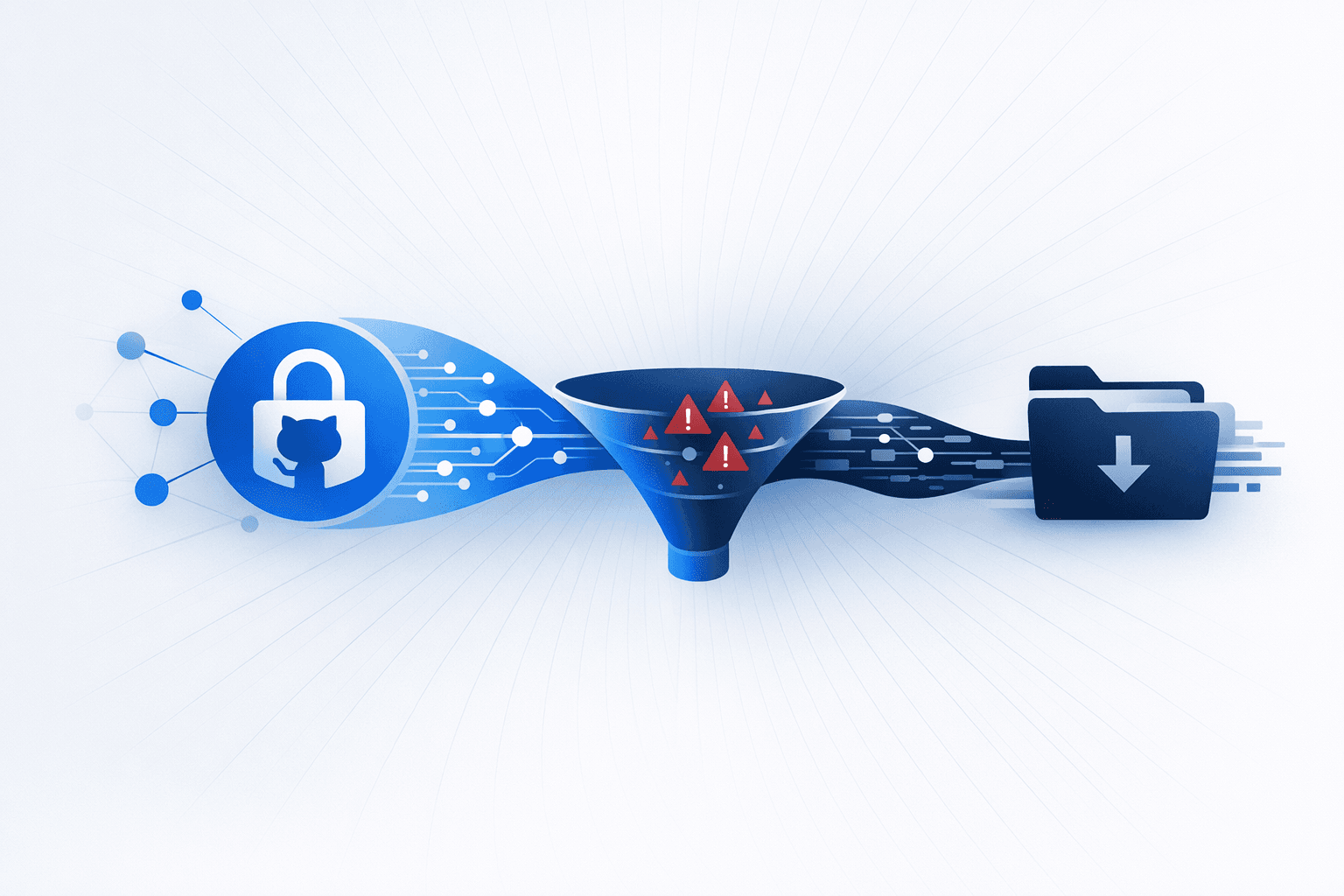
GitHub confirmed that attackers exfiltrated about **3,800 internal repositories** after compromising an employee device with a trojanized Visual Studio Code extension, later identified in multiple reports as **Nx Console `18.95.0`**. The company said the malicious extension was removed, the affected endpoint was isolated, critical secrets and credentials were rotated, and incident response, log analysis, and follow-on monitoring were launched. GitHub’s current assessment is that the intrusion was limited to **GitHub-internal repositories**, with no evidence that customer repositories, enterprise accounts, or data stored outside those repositories were broadly affected, though some internal repositories may contain limited customer-related support information. The breach was widely attributed to **TeamPCP** (also tracked as **UNC6780**), which advertised the stolen source code and internal organizational data on cybercrime forums and leak sites for **$50,000 to $95,000**, threatening to publish it if unsold. Reporting tied the compromise to the broader **TanStack** supply-chain campaign and said the poisoned extension was briefly available on Visual Studio Marketplace and OpenVSX, carrying credential-stealing malware aimed at GitHub, npm, AWS, Kubernetes, 1Password, and other developer assets. GitHub later told **GitHub Enterprise Server** administrators to rotate GPG public keys as part of signing-key rotation, while government and industry alerts urged organizations to remove the malicious extension, rotate exposed developer credentials, and scrutinize CI/CD and repository activity for follow-on abuse.
Jun 29, 2026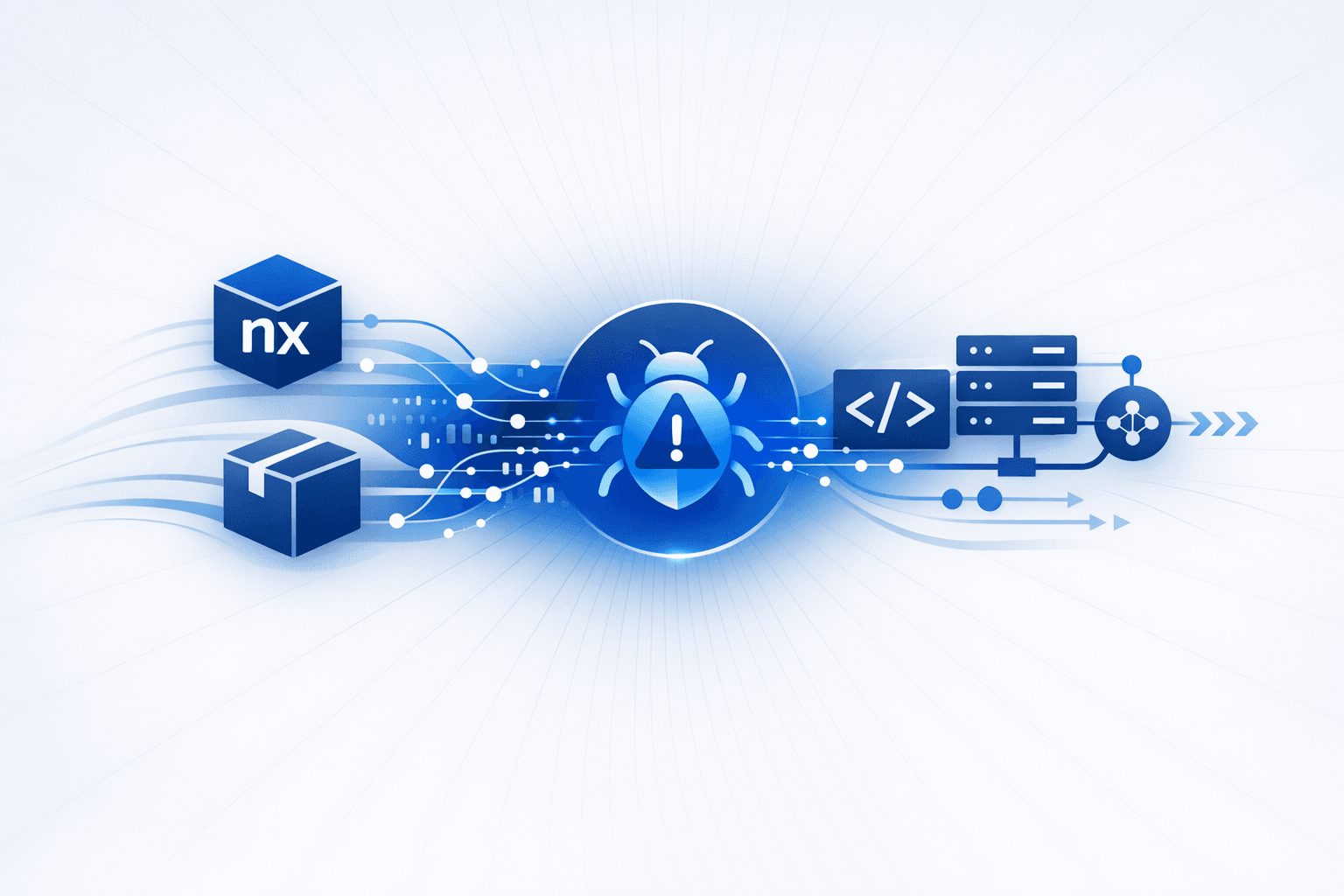
Attackers poisoned multiple open-source packages in separate supply-chain incidents, including malicious `nx` and related `@nx` npm releases and eight compromised Packagist packages. Nrwl said the Nx compromise began after attackers exploited a vulnerable `pull_request_target` GitHub Actions workflow in the `nrwl/nx` repository, stole an npm publishing token, and pushed tainted versions that ran a `postinstall` script. The malware searched local file systems, collected credentials and path data, exfiltrated information by creating GitHub repositories containing `s1ngularity-repository` in victims’ accounts, and altered shell startup files such as `.zshrc` and `.bashrc` to add a shutdown command that could prompt for a system password. Affected Nx versions included `20.9.0` through `20.12.0` and `21.5.0` through `21.8.0`, while some Nx Console VSCode users were also exposed because versions `18.6.30` through `18.65.1` automatically installed `nx@latest`. A separate campaign hit Packagist by hiding malicious logic in `package.json` instead of `composer.json`, targeting PHP projects that also invoke JavaScript tooling during install or build steps. Socket reported that the packages attempted to fetch a Linux binary from GitHub Releases, save it as `/tmp/.sshd`, mark it executable, and launch it in the background, creating a remote-code-execution path during dependency installation while suppressing errors and disabling TLS verification. The compromised versions were removed from Packagist, and the Nx packages were removed from npm after disclosure, but both incidents underscored how attackers are abusing CI/CD workflows and cross-ecosystem package metadata to distribute malware, steal credentials, and evade defenders focused on a single package manager.
Jun 29, 2026
CISA added three actively exploited software supply-chain vulnerabilities to its **Known Exploited Vulnerabilities** catalog: `CVE-2026-48027` in **Nx Console**, `CVE-2026-45321` in **TanStack** npm packages, and `CVE-2026-8398` in **DAEMON Tools Lite**. The Nx Console incident involved a malicious `18.95.0` extension published to Visual Studio Marketplace and OpenVSX after a prior compromise of Nx developer systems; CISA said the poisoned extension was automatically distributed and was used to compromise a GitHub employee device, leading to unauthorized access to and exfiltration of internal GitHub repositories. CISA identified Nx Console `18.100.0` as clean and said federal agencies must remediate the listed flaws under **BOD 22-01** or discontinue use if mitigations are unavailable. CISA also warned that the TanStack intrusion abused GitHub Actions through a `pull_request_target` misconfiguration, cache poisoning, and OIDC token theft to publish malicious packages, with reporting indicating **84 malicious versions across 42 packages** carried valid Sigstore/SLSA provenance. In parallel, the agency highlighted the **Megalodon** campaign, in which attackers inserted malicious GitHub Actions workflows into public repositories to steal CI/CD secrets, cloud credentials, and tokens, and said organizations should audit workflow files and contributor activity, revert unauthorized automated-account changes, conduct forensic reviews, rotate potentially exposed secrets, delay package pulls, pin trusted versions, and use only trusted package sources. The DAEMON Tools Lite case involved trojanized signed installers reportedly distributed from the vendor’s website after a suspected compromise of build or distribution systems.
Jun 29, 2026