Buer Loader Delivered Cobalt Strike and Ryuk in Spear-Phishing Intrusion
Malware Intelligence · 1 source · Updated 4mo ago · First seen Sep 17, 2020

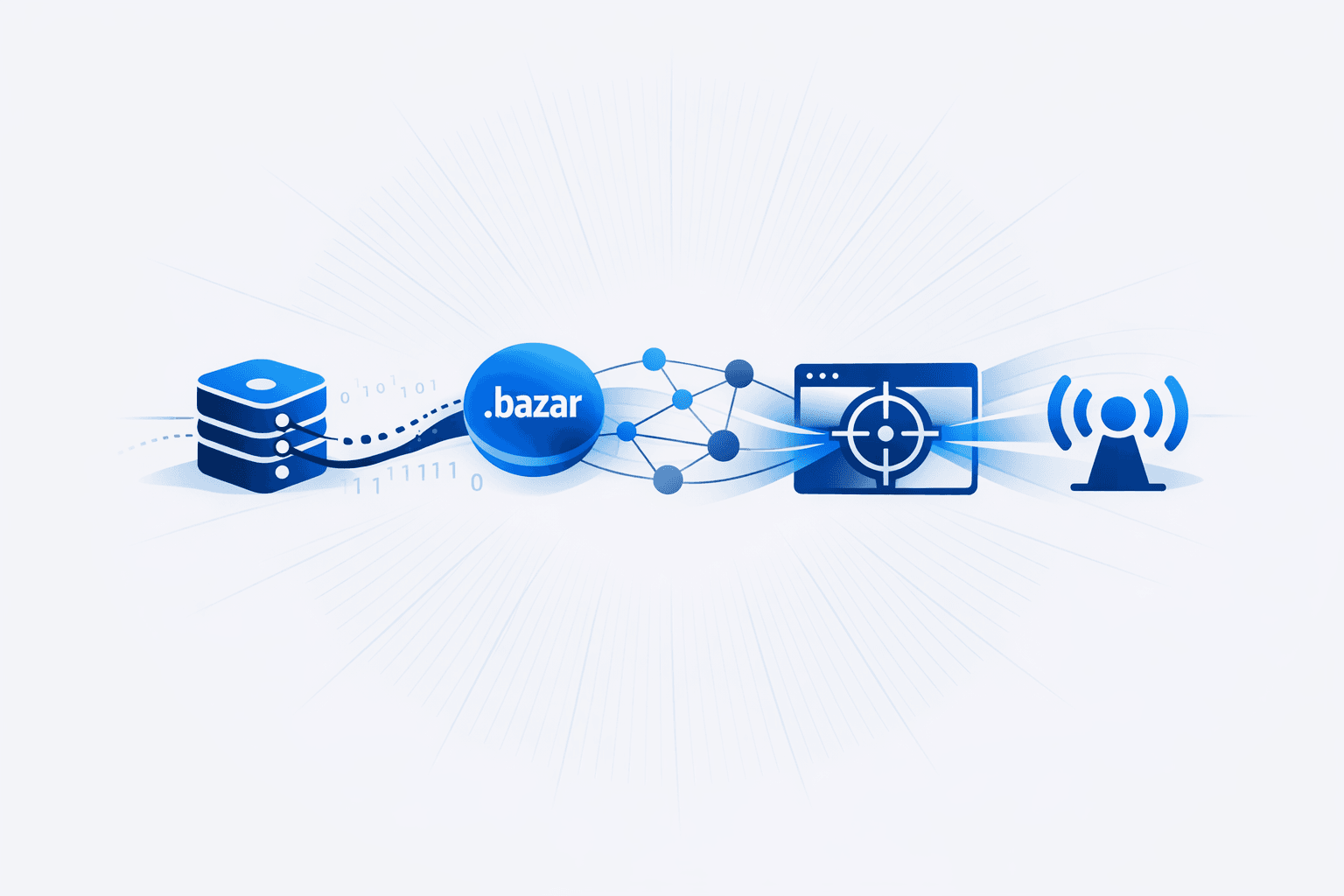
Sophos reported that attackers used the Buer malware-as-a-service loader to gain initial access in a Ryuk ransomware intrusion, highlighting a shift in how Ryuk affiliates were reaching victims. The intrusion began with a low-volume spear-phishing campaign that used malicious documents hosted on Google Docs, and Buer was then used to deploy a Cobalt Strike beacon that enabled lateral movement before Ryuk ransomware was launched across the network.
The report said the activity later expanded into broader spam campaigns that also delivered other loaders, including Bazar and ZLoader, suggesting overlapping delivery infrastructure and coordinated lures. Sophos described Buer as a commercial loader for Windows that supports campaign management, victim filtering, and command-and-control tasking, and noted that observed samples used a stolen DigiCert code-signing certificate along with anti-analysis features and checks designed to avoid infecting systems in CIS-region countries.
Why it matters
Impact assessment
Sophos linked Buer loader to a Ryuk ransomware intrusion, showing a direct path from phishing to enterprise-wide ransomware deployment. The primary affected population is Windows-based organizations exposed to targeted phishing, especially enterprises vulnerable to Ryuk-style post-compromise lateral movement and ransomware execution.
The impact is severe because the intrusion chain progressed from initial access to Cobalt Strike-enabled network exploitation and then Ryuk ransomware, implying high risk of operational disruption, business outage, recovery cost, and reputational damage. The activity appears targeted at victims outside CIS-region countries and evolved from low-volume spear phishing into broader spam distribution, indicating both targeted and scalable exposure.
Supporting facts
- Affected products/platforms:
- Windows systems
- Organizations exposed to malicious cloud-hosted documents via email
- Threat outcomes observed:
- Initial access via Buer loader
- Post-compromise deployment of Cobalt Strike beacon
- Lateral movement across the victim network
- Ryuk ransomware launch across the network
- Scope:
- Initial campaign was low-volume spear phishing
- Campaign later expanded into broader spam operations
- Multiple loader families were used later, including Bazar and ZLoader
- Exploitation in the wild:
- Yes; Sophos investigated a real September 2020 Ryuk intrusion using this chain
- Industries/user populations:
- No specific vertical named in the source
- Most relevant to enterprise email users and security teams defending Windows estates against ransomware intrusion sets