
Loading story…
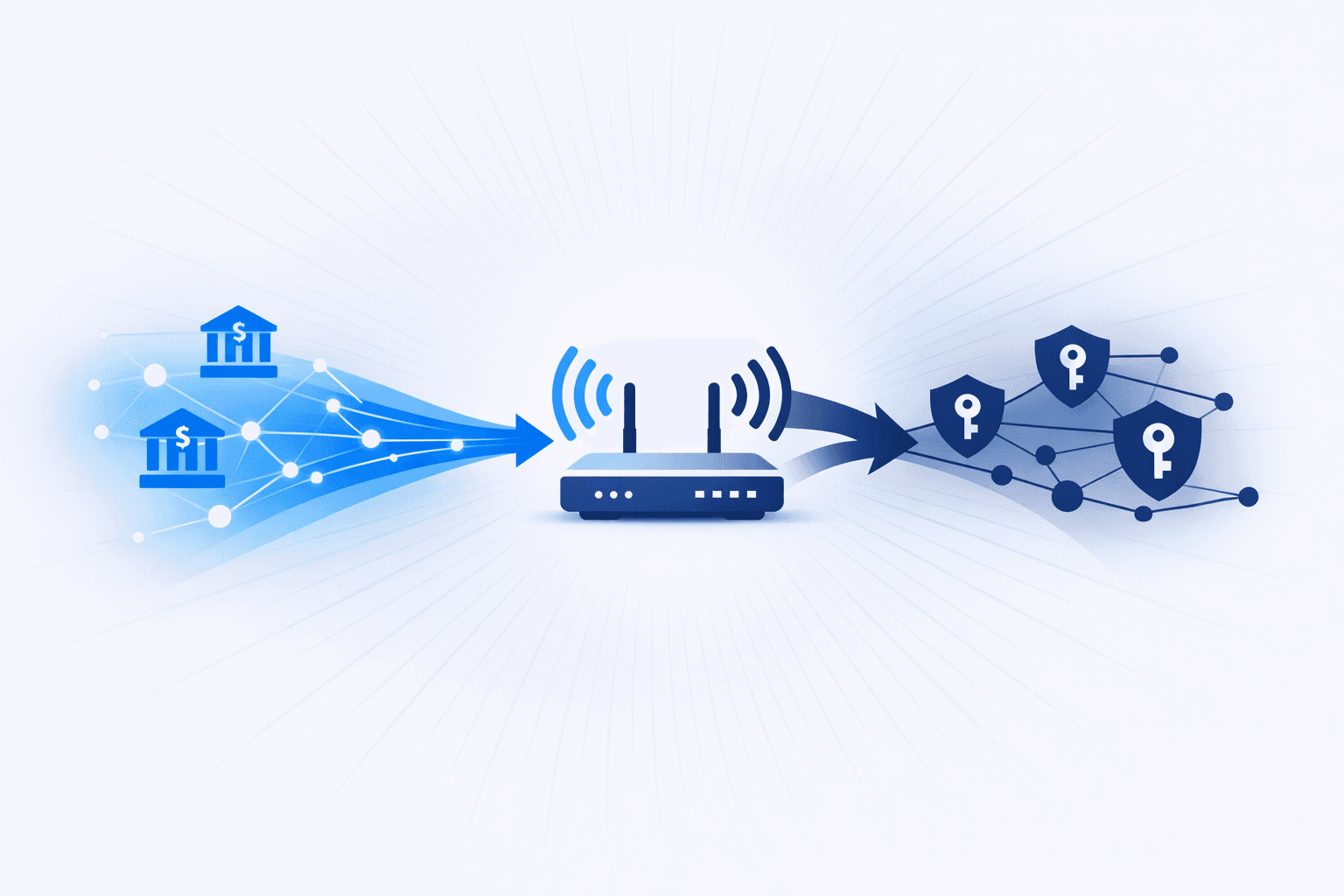
Researchers detailed the GhostDNS operation, a DNS-hijacking toolkit that compromised poorly secured SOHO and home routers in Brazil to redirect victims to phishing pages for banks and other services. The leaked source code showed a mature kit with versions dating back to 2017, including phishing templates, rogue DNS configurations, and tooling to alter router settings through CSRF requests and brute-forced default credentials. In some cases, the malware reset router passwords to attacker-controlled values such as deadcorp2017 and Snowden, giving operators persistent access to infected devices.
Separate analysis tied the campaign to malvertising that redirected Brazilian users from legitimate sites through attacker infrastructure, including domains such as googleads.store, to scripts that probed common private gateway addresses and attempted DNS changes across multiple router models. Once a router's DNS settings were changed, victims were sent to counterfeit banking portals, including fake Banco do Brasil pages, where attackers harvested login credentials and payment card data. The reporting indicates the campaign was heavily concentrated in Brazil, where weak default router passwords remained common, and that the operation extended into a broader criminal market selling both the toolkit and stolen financial data.
Map this exposure pattern across your cloud, code, and identities.
5 events from the most recent confirmed update back to the earliest known activity.
Avast said credit card details stolen via GhostDNS were still available for sale in April 2020, typically priced between $10 and $25. This showed the campaign's monetization ecosystem was still active at that time.
In May 2019, Avast Web Shield blocked a Sendspace URL that led researchers to a malicious RAR archive named "KL DNS.rar" containing GhostDNS source code, phishing pages, and DNS-hijacking infrastructure. The find exposed multiple versions of the toolkit and its supporting components.
Avast reported that GhostDNS source code was being sold on darknet markets for about $450. This indicated the DNS-hijacking toolkit had entered a broader criminal marketplace.
Avast found five GhostDNS source code implementations in the leaked archive, with the oldest file metadata dating to July 2017. The code showed the toolkit was already developed to hijack router DNS settings, reset router credentials, and support phishing against Brazilian targets.
CUJO AI analyzed an ongoing campaign in which victims visiting pages associated with ofuxico.com.br were redirected to malicious infrastructure on googleads.store. The attack used browser-based CSRF requests and weak/default router credentials to change DNS settings on Brazilian home routers and redirect users to fake banking pages.
Vulnerabilities, threat actors, malware, products, organizations, breaches, and observables Mallory has linked to this story. Indicator values are masked here and available in full in the app.
Indicator values are masked on this page. View all 15 in Mallory Domains, IPs, hashes, and URLs are exportable to your SIEM.
See where this exposure pattern shows up across your cloud, code, supply chain, and non-human identities.
2 references tracked. Mallory keeps watching after this page renders.
Map indicators from this story to your assets and identify affected systems in minutes.
Every observed campaign, victim, and pivot linked to actors named in this story.
Malware, exploits, and IOCs connected to the activity described here.
YARA, Sigma, and Snort rules deployed to your SIEM as soon as they’re published.
Get matching new stories delivered to your team as they break — not the next morning.
Ask questions about this story and take action on the answers.
Other stories Mallory is tracking that overlap on entities, sources, or topic labels.

A **GRU-linked espionage campaign** attributed to **Forest Blizzard** is targeting small office and home office (SOHO) routers by changing DNS settings on poorly protected devices. The altered DNS redirects users trying to reach legitimate services to adversary-in-the-middle infrastructure, where victims are presented with fake login pages that capture **credentials** and **session tokens** before silently forwarding them to the real destination. The activity poses a particular risk to **remote workers** because it abuses unmanaged home-network infrastructure rather than compromising corporate endpoints directly, allowing attackers to intercept identity and business traffic from outside traditional enterprise defenses. Reported mitigations include enforcing **MFA**, routing traffic through **VPNs**, using centralized and monitored DNS, applying traffic filtering, and improving hardening, management, and monitoring of routers and other edge devices.
Jul 16, 2026
Infoblox researchers reported a widespread **DNS hijacking** campaign targeting **outdated consumer/home routers** across **more than three dozen countries**, where attackers compromise devices and change router-level DNS settings to silently redirect all connected users’ traffic. The manipulated DNS queries are sent to malicious resolvers hosted by **Aeza International**, a **Russian bulletproof hosting provider** that the US sanctioned in **July 2025**, allowing threat actors to control where victims are routed while keeping common destinations working to reduce suspicion. The infrastructure reportedly uses a **two-stage redirection chain**: DNS traffic is forwarded into an **HTTP-based Traffic Distribution System (TDS)** that first verifies the request originates from a compromised router and then fingerprints/filters victims before sending them onward—often into **advertising/affiliate networks** that can lead to **scams or malicious sites**. Analysts also described an evasion behavior where the rogue resolvers may only respond under specific query conditions (e.g., when **EDNS0** is disabled), complicating reproduction and detection; user-visible symptoms included selective site failures and persistent redirects that victims often misattributed to endpoints rather than the router.
Jun 29, 2026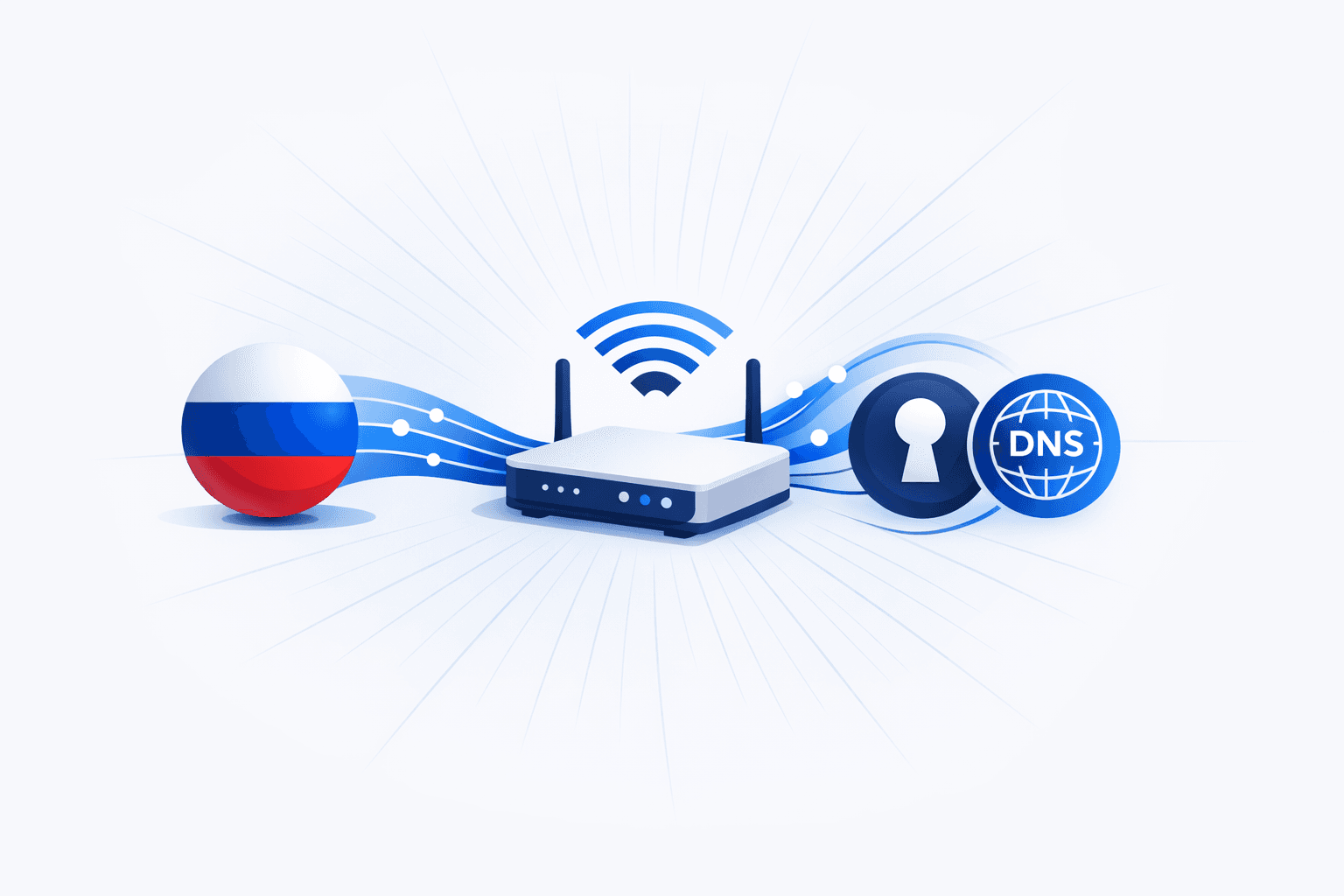
A joint advisory from cybersecurity agencies in 12 countries warned that Russian state hackers linked to **FSB Center 16** are actively targeting vulnerable routers worldwide, focusing on devices exposed with default or weak SNMP credentials and community strings. The agencies said the actors can abuse SNMP to copy router configurations through OIDs and exfiltrate them over TFTP, while also exploiting older network-device flaws such as `CVE-2018-0171` on Cisco equipment. High-risk sectors identified in the warning include communications, defence, energy, financial services, government, and healthcare, and the activity follows formal UK and EU attribution of cyber-attacks on Poland’s energy infrastructure to the same Russian service. Separate reporting highlighted how compromised SOHO and home-office routers can be used for **DNS hijacking** that bypasses endpoint security and enables credential theft against remote workers. The attack path described combines documented Russian tradecraft, including APT28-linked router compromises, with downstream abuse such as redirecting traffic, harvesting **NTLMv2** hashes, and stealing Microsoft 365 credentials and tokens. Defenders were urged to harden or replace poorly secured routers, move to **SNMPv3**, disable unnecessary exposed services, monitor for unauthorized DNS resolver changes and NXDOMAIN spikes, and factory-reset suspected devices before rotating affected credentials.
Aug 15, 2026