
Mallory
← Back to News
ai-platform-securityautonomous-system-security

AI-Assisted Targeting Raises Legal Risks in Hypothetical NATO-Russia Conflict

Emerging Technology Risk · 2 sources · Updated 2mo ago · First seen Sep 11, 2026
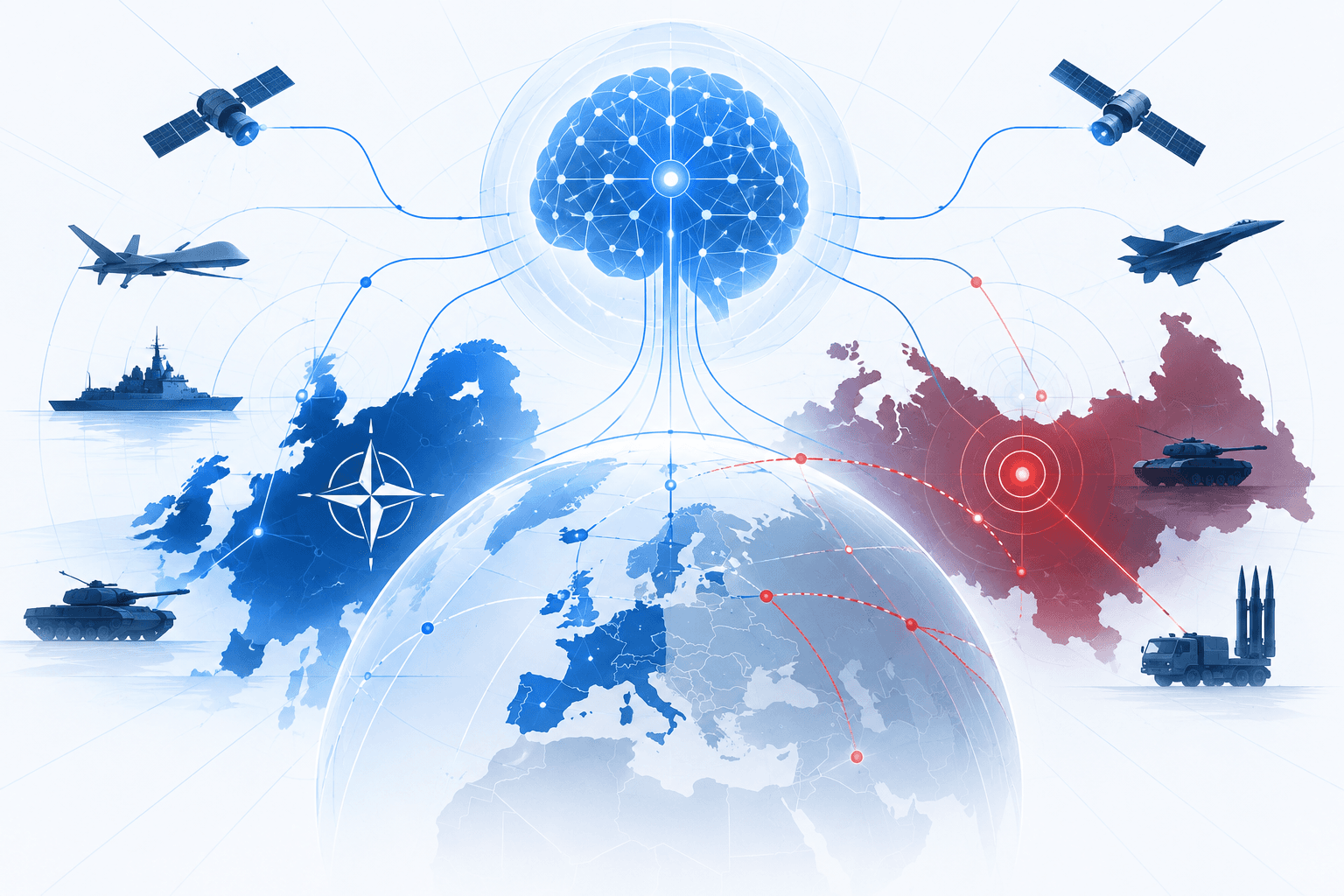
AI-Assisted Targeting Raises Legal Risks in Hypothetical NATO-Russia Conflict

A Lieber Institute analysis examines a hypothetical U.S. strike during a Russian attack on the Suwałki Gap, a strategically vital corridor between Poland and Lithuania covered by NATO’s collective-defense framework. In the scenario, adversary deception causes an AI-enabled Federated Front targeting system to wrongly identify a hospital as a Russian command-and-control site, killing 50 civilians.

The analysis argues that the legality of the strike and possible commander liability under the UCMJ must be judged on information reasonably available at the time, consistent with the Hostage case’s Rendulic Rule, rather than through hindsight. It warns that commanders may struggle to justify reliance on opaque AI models and recommends explainable “Glass Box” systems, legally reviewed and certified operating parameters, bounded continuous learning, continuing JAG and technical oversight, and training on feasible law-of-armed-conflict precautions.


New surface, new adversariesTrack how attackers are adapting to this technology.
Track this risk
Event timeline

How this story unfolded

Events from the most recent confirmed update back to the earliest known activity.

3 events · 1907 – 2023
  1. Reported Sep 11, 20262mo ago

    Rendulic acquitted under the Hostage case standard

    In the post-Second World War Hostage case, General Lothar Rendulic was acquitted of the charge concerning his scorched-earth withdrawal in Norway because his assessment was considered reasonably prudent based on the information available at the time.

    Federated Front: AI-Assisted Targeting, the Rendulic Rule, and Multi-Domain Operations - Lieber Institute West Point
  2. 2023

    DoD Directive 3000.09 requires transparent autonomous-system data and technology

    Department of Defense Directive 3000.09 (2023), paragraph 1.2(2)(c), required autonomous and semi-autonomous weapon systems to use technologies and data sources transparent to, auditable by, and explainable by relevant personnel.

    Federated Front: AI-Assisted Targeting, the Rendulic Rule, and Multi-Domain Operations - Lieber Institute West Point
  3. 1907

    Hague Convention IV establishes foundational law-of-war rules

    The Hague Convention (IV) of 1907 and its annexed Regulations became foundational treaty law relevant to attack obligations, including steps to spare non-military hospitals.

    Federated Front: AI-Assisted Targeting, the Rendulic Rule, and Multi-Domain Operations - Lieber Institute West Point
Do you run this?Follow how adversaries are adapting to this technology, and where it touches your stack today.
Track This Risk
Mallory platform

See the full picture, correlated to your attack surface.

This page covers what’s public. Mallory adds the parts that aren’t: which of your assets are affected, which threat actors are using it right now, and what to deploy next.

Exposure mappingMap indicators from this story to your assets and identify affected systems in minutes.
Threat actor evidenceEvery observed campaign, victim, and pivot linked to actors named in this story.
Associated malwareMalware, exploits, and IOCs connected to the activity described here.
Detection signaturesYARA, Sigma, and Snort rules deployed to your SIEM as soon as they’re published.
Scheduled alertsGet matching new stories delivered to your team as they break, not the next morning.
AI threadsAsk questions about this story and take action on the answers.