
Loading story…
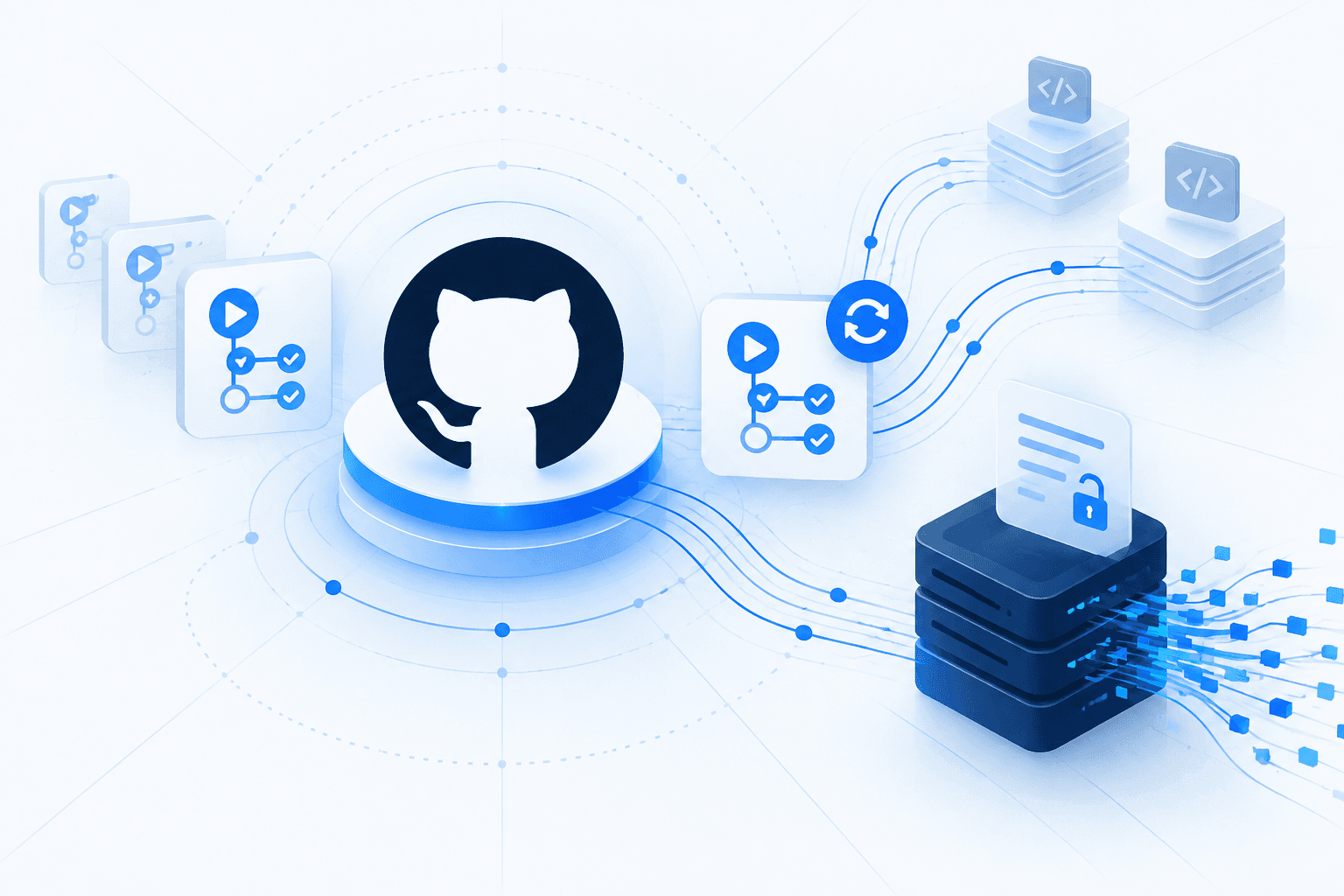
GitHub briefly restored access to the compromised actions-cool/issues-helper and actions-cool/maintain-one-comment repositories, whose release tags still pointed to malicious code inserted during the May 2026 Mini Shai-Hulud supply-chain campaign. Workflows referencing mutable action tags automatically retrieved and ran the payload after reactivation—without a workflow change or new attacker access—potentially affecting roughly 15,000 repositories that depend on issues-helper, especially through scheduled, issue, or pull-request-triggered jobs. GitHub has since disabled the repositories again.
The malware harvested CI/CD secrets and exfiltrated them to attacker-controlled infrastructure. Organizations using either action should remove or replace it, identify workflows that reference mutable tags, and pin any required dependency to a verified clean full commit SHA from before May 18. They should also rotate potentially exposed secrets, review workflow logs and permissions, and audit repository history for unauthorized commits or other signs of follow-on activity.
Trace attribution and downstream blast radius.
5 events from the most recent confirmed update back to the earliest known activity.
Workflows using mutable tags such as actions-cool/issues-helper@v2.2.1 resumed downloading and executing the compromised payload without changes to downstream workflow files or new attacker activity. A scheduled Moonofweisheng/wot-design-uni workflow shifted from short setup failures on September 14–15 to a successful nine-minute run on September 16, consistent with the action becoming available again.
GitHub made both actions-cool repositories accessible again, although their release tags continued to resolve to the malicious code introduced in May. The repositories were re-enabled during a window observed on September 16.
GitHub's security team disabled the two compromised action repositories one day after the malicious content was introduced. Dependent workflows could no longer download the actions and failed during job setup before action code executed.
The Mini Shai-Hulud campaign compromised actions-cool/issues-helper and actions-cool/maintain-one-comment, inserting code that harvested CI/CD credentials and exfiltrated them to attacker-controlled infrastructure. The activity was linked to the cluster through overlap with the t.m-kosche[.]com exfiltration domain.
GitHub disabled actions-cool/issues-helper and actions-cool/maintain-one-comment for a second time, citing a terms-of-service violation, after their brief re-enablement. The reason the repositories had become accessible again was not known.
Vulnerabilities, threat actors, malware, products, organizations, breaches, and observables Mallory has linked to this story. Indicator values are masked here and available in full in the app.
Indicator values are masked on this page. See the values in Mallory Domains, IPs, hashes, and URLs are exportable to your SIEM.
See attribution and downstream blast radius, and whether this package or vendor reaches your builds.
2 references tracked. Mallory keeps watching after this page renders.
Map indicators from this story to your assets and identify affected systems in minutes.
Every observed campaign, victim, and pivot linked to actors named in this story.
Malware, exploits, and IOCs connected to the activity described here.
YARA, Sigma, and Snort rules deployed to your SIEM as soon as they’re published.
Get matching new stories delivered to your team as they break — not the next morning.
Ask questions about this story and take action on the answers.
Other stories Mallory is tracking that overlap on entities, sources, or topic labels.

Threat actors compromised the popular GitHub Actions repositories `actions-cool/issues-helper` and `actions-cool/maintain-one-comment` by moving version tags to imposter commits outside the normal commit history, causing workflows that referenced those tags to fetch and run malicious code. Researchers said the payload downloaded the **Bun** JavaScript runtime, read memory from the GitHub Actions `Runner.Worker` process to recover decrypted secrets, and exfiltrated the data over HTTPS to the attacker-controlled domain `t.m-kosche[.]com`; workflows pinned to a known-good full commit SHA were not affected. GitHub later disabled access to the repository for a terms-of-service violation, while StepSecurity added the action to its Compromised Actions Policy and blocked the exfiltration domain through Harden-Runner. The incident highlights a broader GitHub Actions supply-chain risk in which CI/CD trust can be subverted through mutable references and weak integrity controls. Separate research showed that a modified Maven wrapper in a pull request could achieve code execution on GitHub-hosted runners and, if merged, later expose release secrets such as Maven publishing credentials and GPG material, underscoring the need for checksum validation on wrapper scripts and immutable pinning to trusted commit SHAs for third-party actions. StepSecurity also linked the same exfiltration infrastructure to the recent **Mini Shai-Hulud** activity targeting npm packages in the `@antv` ecosystem, suggesting the GitHub Actions compromise may be part of a wider supply-chain campaign.
Jun 29, 2026The widely used GitHub Action **`tj-actions/changed-files`** was compromised after an attacker gained write access to the repository and retargeted release tags to a malicious orphaned commit, causing workflows pinned to tags rather than immutable SHAs to run attacker-controlled code. The backdoor downloaded and executed a remote payload that scraped decrypted GitHub Actions secrets from process memory and printed them into workflow logs, exposing repositories that executed the action and creating acute risk for public projects where logs were openly accessible. The incident was detected after anomalous outbound network activity was observed, and the maintainer removed the malicious changes soon afterward. Follow-on analysis found the blast radius was substantial because the action was referenced across roughly **23,000 repositories** and many workflows were not pinned to a full commit hash. GitGuardian reported that among workflows executed during the compromise window, hundreds showed signs of exploitation and **603 secrets** were exposed in logs, including temporary GitHub tokens, DockerHub credentials, AWS keys, GitHub personal access tokens, Jira tokens, and cloud.gov credentials. Organizations using the action were urged to review workflow runs from March 14 onward, delete affected logs, rotate any exposed credentials, audit dependencies and commits, and pin third-party GitHub Actions to full commit SHAs to reduce future supply-chain risk.
Jun 29, 2026
A large software supply-chain campaign dubbed **Mini Shai-Hulud** compromised more than 170 npm packages and at least two PyPI packages tied to projects including **TanStack, Mistral AI, OpenSearch, UiPath, Guardrails AI,** and others. Researchers and vendors attributed the activity to **TeamPCP**, saying the attackers abused GitHub Actions release workflows—especially `pull_request_target`, cache poisoning, and theft of short-lived **OIDC** material from runners—to publish trojanized packages with apparently legitimate **SLSA** provenance, Sigstore attestations, and trusted-publishing signatures. Reports variously counted between roughly 160 and 400+ malicious package versions, with some affected packages totaling hundreds of millions of downloads, and OpenSearch and Mistral both confirmed compromised releases while TanStack described a chained workflow attack on its publishing pipeline. The malware targeted developer workstations and CI/CD systems, stealing **npm**, **GitHub**, cloud, Kubernetes, Vault, SSH, Docker, and AI-tool credentials, then attempting worm-like propagation by republishing infected packages with stolen tokens or workflow-issued publish credentials. Investigators said the payload also established persistence through **VS Code** tasks, **Claude Code** hooks, and in some cases system services, while exfiltrating data through **Session**, GitHub dead drops, and other attacker infrastructure; some variants included extortion notes, dead-man-switch logic, and geofenced destructive behavior. Defenders were urged to treat hosts that installed affected versions as potentially fully compromised, remove persistence before revoking tokens where applicable, rotate all exposed secrets from clean systems, invalidate CI caches, audit lockfiles and publishing activity, and rebuild impacted environments from trusted sources.
Jul 12, 2026