Global Coalition Targets Commercial Spyware Abuse as Google Details Zero-Day Exploitation
Active Exploitation · 3 sources · Updated 2mo ago · First seen Jun 5, 2023
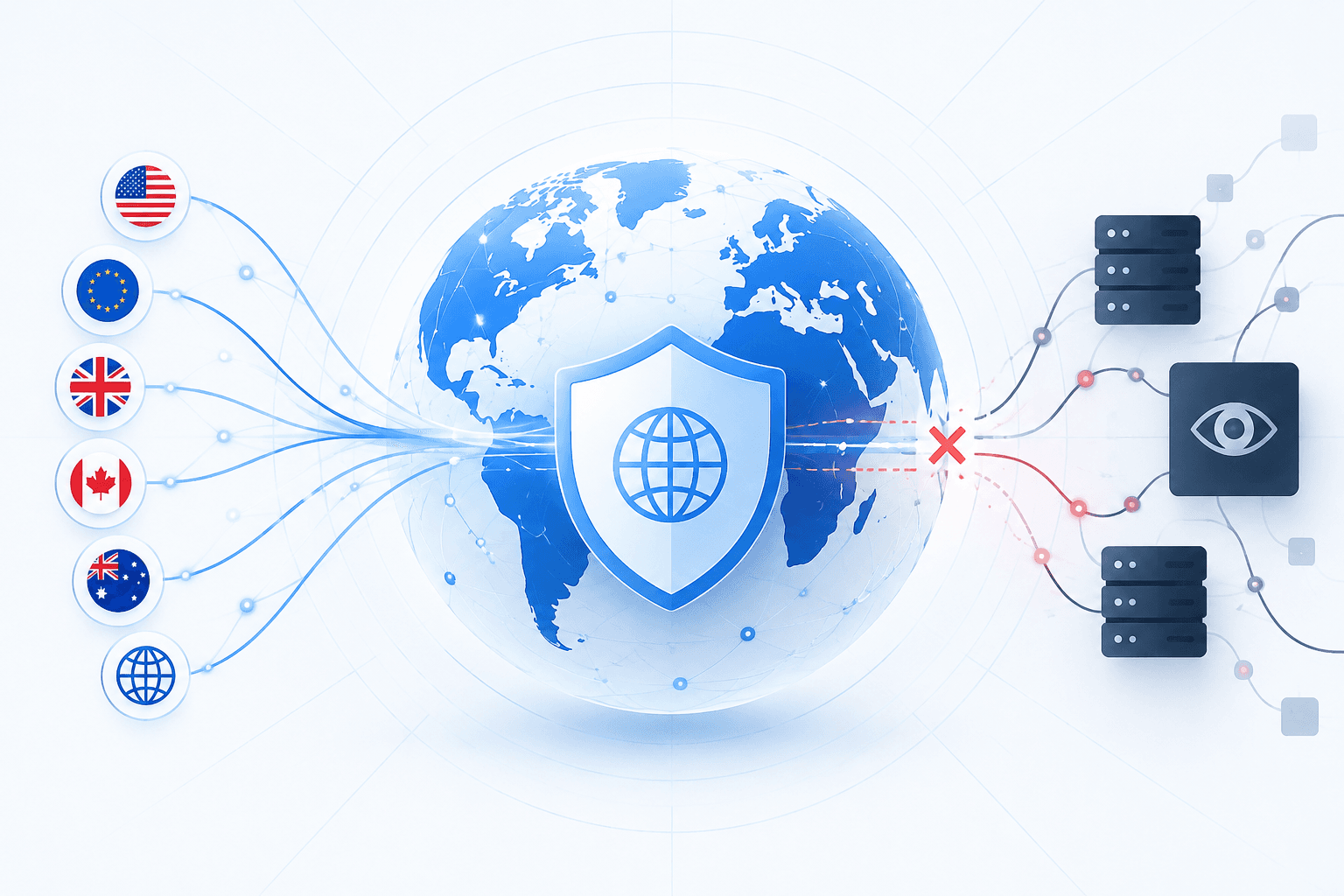
Dozens of countries and technology companies signed the Pall Mall Process declaration in February 2024 to curb the proliferation and irresponsible use of commercial spyware, citing risks to human rights, national security, and cyber stability. The initiative coincided with a U.S. policy to deny visas to people involved in spyware misuse. Google’s Threat Analysis Group reported tracking approximately 40 commercial surveillance vendors and linked 11 of them to exploitation of 74 zero-day vulnerabilities over the preceding decade. These businesses supply governments with turnkey spyware, exploit chains, and infrastructure capable of compromising consumer devices and collecting sensitive information.
Google’s Buying Spying report attributed 35 of 72 known zero-day exploits used in the wild against Google products and the Android ecosystem from mid-2014 through 2023 to commercial surveillance vendors. Documented Pegasus and Predator operations targeted journalists, human rights defenders, and opposition politicians, threatening source confidentiality, civil liberties, and elections. Investigations ranged from Google’s earlier examination of Chrysaor malware on Android to NSO Group’s FORCEDENTRY exploit, Variston’s Heliconia framework, and a 2023 campaign targeting iPhones in Indonesia with Variston’s BridgeHead implant. Google found that rapid patching can disrupt surveillance operations, but public exposure and legal action have not consistently stopped vendors, prompting calls for coordinated international restrictions.