Mallory
← Back to News
endpoint-security-bypassransomware-group-operationprivilege-escalation-methodpayload-delivery-evasion

RansomHub Attackers Deploy EDRKillShifter to Disable Endpoint Protection

Attack Tradecraft · 2 sources · Updated 2d ago · First seen Aug 15, 2024

RansomHub Attackers Deploy EDRKillShifter to Disable Endpoint Protection

Sophos uncovered EDRKillShifter, a tool designed to disable endpoint detection and response software, while investigating an unsuccessful RansomHub ransomware attack in May 2024. The attackers attempted to terminate Sophos protection, but the tool failed; the endpoint agent’s CryptoGuard feature then blocked ransomware execution. Sophos assessed with moderate confidence that multiple attackers use EDRKillShifter, rather than attributing it exclusively to one group.

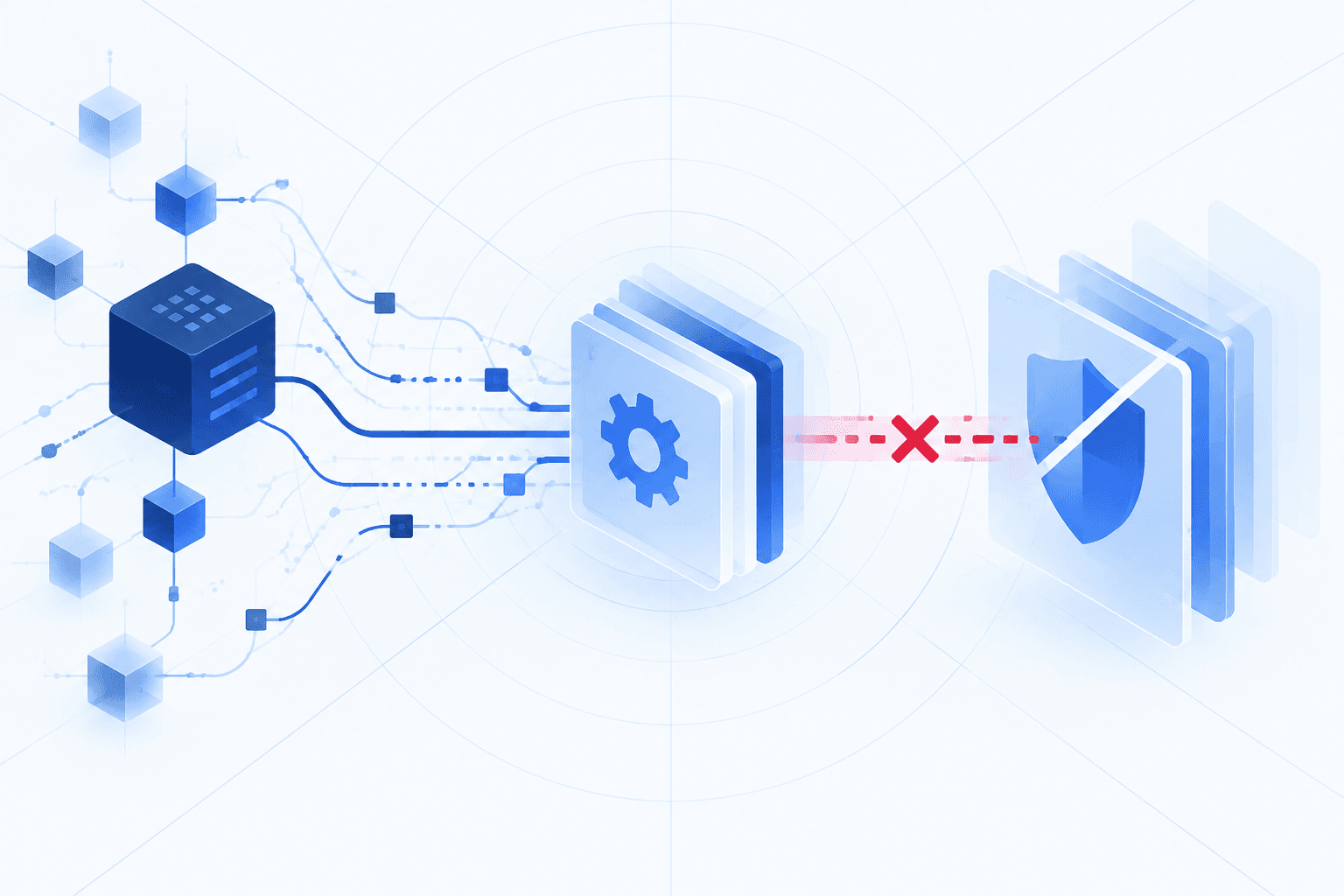
EDRKillShifter uses a bring-your-own-vulnerable-driver (BYOVD) technique, loading a legitimate but vulnerable driver to gain privileges needed to disable security software. A password-protected loader decrypts an embedded resource and executes it in memory, ultimately launching a Go-based payload that deploys and exploits a vulnerable driver. Its ability to deliver different driver payloads gives attackers flexibility. Sophos recommended enabling tamper protection, separating user and administrator privileges, and keeping systems updated to mitigate driver-based attacks.
Who uses this technique?Get the actors, campaigns, and ATT&CK mapping behind it.
Get the tradecraft
Event timeline

How this story unfolded

Events from the most recent confirmed update back to the earliest known activity.

6 events · May 2023 – May 2024
  1. Reported Aug 14, 20242y ago

    Sophos reveals EDRKillShifter's vulnerable-driver attack mechanism

    Postmortem analysis uncovered EDRKillShifter, a password-protected loader that executes a Go payload to exploit vulnerable legitimate drivers and disable endpoint protection. Sophos assessed with moderate confidence that multiple attackers were using the tool.

    Ransomware attackers introduce new EDR killer to their arsenal – Sophos News
  2. May 2024

    CryptoGuard blocks the attackers' subsequent ransomware execution

    After EDRKillShifter failed to disable protection, the attackers attempted to run the ransomware executable. The Sophos endpoint agent's CryptoGuard feature blocked execution, leaving the ransomware attack unsuccessful.

    Ransomware attackers introduce new EDR killer to their arsenal – Sophos News
  3. May 2024

    Attackers unsuccessfully deploy EDRKillShifter against Sophos protection

    During an attempted RansomHub ransomware attack, attackers used EDRKillShifter to try to terminate Sophos endpoint protection on a compromised computer. The attempt failed.

    Ransomware attackers introduce new EDR killer to their arsenal – Sophos News
  4. Feb 2024

    RansomHub emerges as a ransomware operation

    RansomHub emerged in February 2024. Researchers later identified extensive code overlap with Knight, suggesting a shared origin rather than necessarily the same operators.

    A group linked to RansomHub operation employs EDR-killing tool EDRKillShifter
  5. Feb 2024

    Knight ransomware-as-a-service operation shuts down

    Knight's ransomware-as-a-service operation shut down in February 2024. Researchers believe its source code was subsequently sold to the actor who relaunched it as RansomHub.

    A group linked to RansomHub operation employs EDR-killing tool EDRKillShifter
  6. May 2023

    Knight ransomware emerges

    Knight, also known as Cyclops 2.0, appeared targeting Windows, Linux, macOS, ESXi, and Android. Its ransomware-as-a-service operation used double extortion.

    A group linked to RansomHub operation employs EDR-killing tool EDRKillShifter
Linked entities

Related entities

Vulnerabilities, threat actors, malware, products, organizations, and breaches Mallory has linked to this story.

Open in app →

Threat actors

1 linked

Organizations

1 linked
Sophos
Do you run this?Get the adversaries, campaigns, and ATT&CK mapping behind this technique, with detections ready to deploy.
See Who Uses This Technique
Mallory platform

See the full picture, correlated to your attack surface.

This page covers what’s public. Mallory adds the parts that aren’t: which of your assets are affected, which threat actors are using it right now, and what to deploy next.

Exposure mappingMap indicators from this story to your assets and identify affected systems in minutes.
Threat actor evidenceEvery observed campaign, victim, and pivot linked to actors named in this story.
Associated malwareMalware, exploits, and IOCs connected to the activity described here.
Detection signaturesYARA, Sigma, and Snort rules deployed to your SIEM as soon as they’re published.
Scheduled alertsGet matching new stories delivered to your team as they break, not the next morning.
AI threadsAsk questions about this story and take action on the answers.