
Loading story…
A new variant of the MacSync Stealer malware has emerged, leveraging a code-signed and notarized Swift application to bypass Apple's built-in malware protections. Security researchers from Jamf identified that this variant is distributed as a disk image containing a Swift app, which is both signed and notarized, allowing it to evade standard macOS security checks. Once executed, the app retrieves an encoded script from a remote server and runs it via a helper executable, effectively installing the stealer without requiring the user to interact with the Terminal or bypass typical security warnings.
This approach marks a significant evolution from previous MacSync Stealer tactics, which relied on social engineering to trick users into running commands in Terminal or using "ClickFix"-style techniques. The new method removes the need for direct user intervention, increasing the likelihood of successful infections. The installer was observed to be distributed via a website and, at the time of analysis, its code signature had not been revoked by Apple. Researchers also noted that similar distribution methods are being adopted by other Mac-focused infostealers, indicating a broader trend in macOS malware delivery.

Pull IOCs and campaign context straight into your stack.
4 events from the most recent confirmed update back to the earliest known activity.
On a macOS system, researchers observed a MacSync Stealer infection involving a DMG download from zkcall.net and subsequent traffic to domains including obsidiangate.space and focusgroovy.com. The incident was documented with malware samples and a sanitized packet capture showing command-and-control and exfiltration activity.
After Jamf reported the abuse, Apple revoked the Developer Team ID used to sign the malicious dropper. This action removed the certificate that had allowed the fake installer to appear trusted and pass notarization checks.
Jamf Threat Labs analyzed the new variant, linked it to Developer Team ID GNJLS3UYZ4, and documented its evasion and credential-stealing behavior, including theft of keychain, browser, wallet, and system data. The research also tied the malware to infrastructure such as focusgroovy.com and gatemaden.space and attributed the stealer to the threat actor Mentalpositive.
A new MacSync Stealer variant began circulating as a code-signed and Apple-notarized Swift application delivered in a disk image such as "zk-call-messenger-installer-3.9.2-lts.dmg" from zkcall.net. The malware shifted from earlier terminal-based infection steps to a quieter second-stage download and execution flow designed to evade Gatekeeper and reduce user interaction.
Vulnerabilities, threat actors, malware, products, organizations, breaches, and observables Mallory has linked to this story. Indicator values are masked here and available in full in the app.
Indicator values are masked on this page. View all 19 in Mallory Domains, IPs, hashes, and URLs are exportable to your SIEM.
Pull the IOCs, campaigns, and victimology behind this family, ready to push into your SIEM and EDR.
8 references tracked. Mallory keeps watching after this page renders.
securityonline.info
Open sourcecsoonline.com
Open sourcecybersecuritynews.com
Open sourcehackread.com
Open sourcemalware-traffic-analysis.net
Open source9to5mac.com
Open sourcebleepingcomputer.com
Open sourcejamf.com
Open sourceMap indicators from this story to your assets and identify affected systems in minutes.
Every observed campaign, victim, and pivot linked to actors named in this story.
Malware, exploits, and IOCs connected to the activity described here.
YARA, Sigma, and Snort rules deployed to your SIEM as soon as they’re published.
Get matching new stories delivered to your team as they break — not the next morning.
Ask questions about this story and take action on the answers.
Other stories Mallory is tracking that overlap on entities, sources, or topic labels.
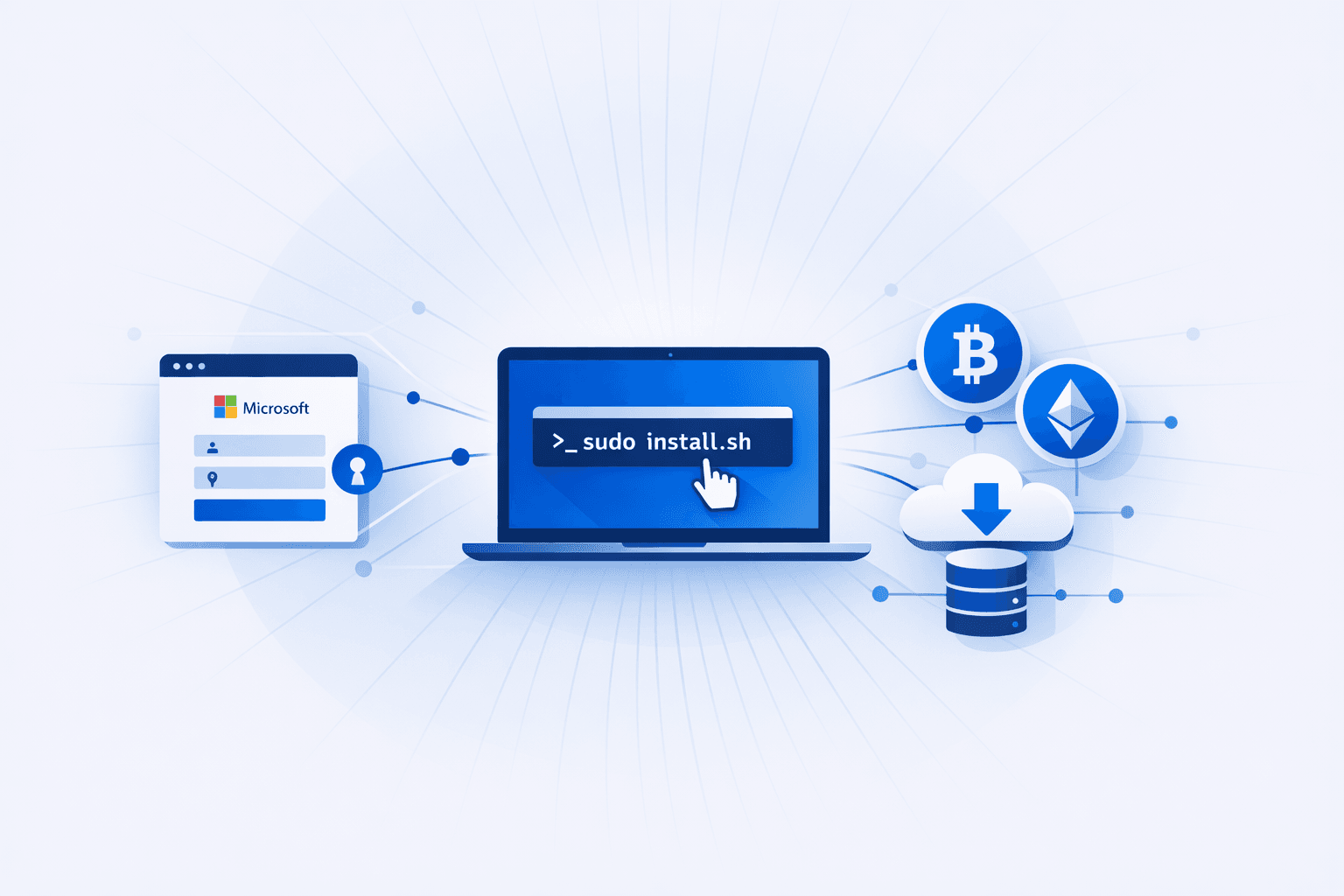
Security researchers reported a **macOS infostealer** dubbed **MacSync** being distributed as a low-cost **Malware-as-a-Service (MaaS)**, primarily targeting **cryptocurrency users** via a *ClickFix*-style social engineering lure. The campaign uses phishing infrastructure (including domains mimicking **Microsoft login** pages) to redirect victims to a fake macOS *cloud storage installer* site that instructs users to “install” by copying and pasting a **single Terminal command**. This approach relies on user execution rather than a signed app package, allowing the infection chain to **bypass macOS protections** such as **Gatekeeper** and **notarization**. Technical analysis describes a **script-based, multi-stage** infection chain: the pasted one-liner fetches a remote script that installs a **daemonized Zsh loader** which detaches from the Terminal session and runs in the background, then retrieves additional payloads (including **AppleScript**) to perform data theft. Beyond credential and wallet data harvesting, reporting indicates MacSync can **persist and expand impact** by **trojanizing Electron-based cryptocurrency applications** (e.g., *Ledger Live* and *Trezor Suite*) by overwriting components to present convincing phishing flows designed to capture **PINs** and **recovery phrases**, potentially triggering theft well after the initial compromise.
Jun 29, 2026
MacSync, a malware-as-a-service macOS stealer and remote-access stager, is being distributed through ClickFix social engineering, SEO poisoning, malvertising, compromised websites, and fake software or AI installers that prompt victims to run Terminal commands. Its native 64-bit Mach-O stager daemonizes itself, XOR-decrypts its configuration, downloads an AppleScript stealer from command-and-control (C2) infrastructure, and executes it in memory through `osascript`. The malware targets Keychain records, browser credentials and cookies, SSH keys, messaging sessions, cloud credentials, cryptocurrency wallets, and sensitive files. It archives collected data and exfiltrates it in 10 MB HTTP PUT chunks before deleting local staging artifacts; analyzed samples used `drivinguber.com` as primary C2 infrastructure and newsinweb.com-derived hosts as fallbacks. Public reporting associates MacSync with the earlier Mac.C Stealer and the developer identity “Mentalpositive,” though Russian-language artifacts do not substantiate attribution to a particular actor, syndicate, or affiliate campaign.
Sep 10, 2026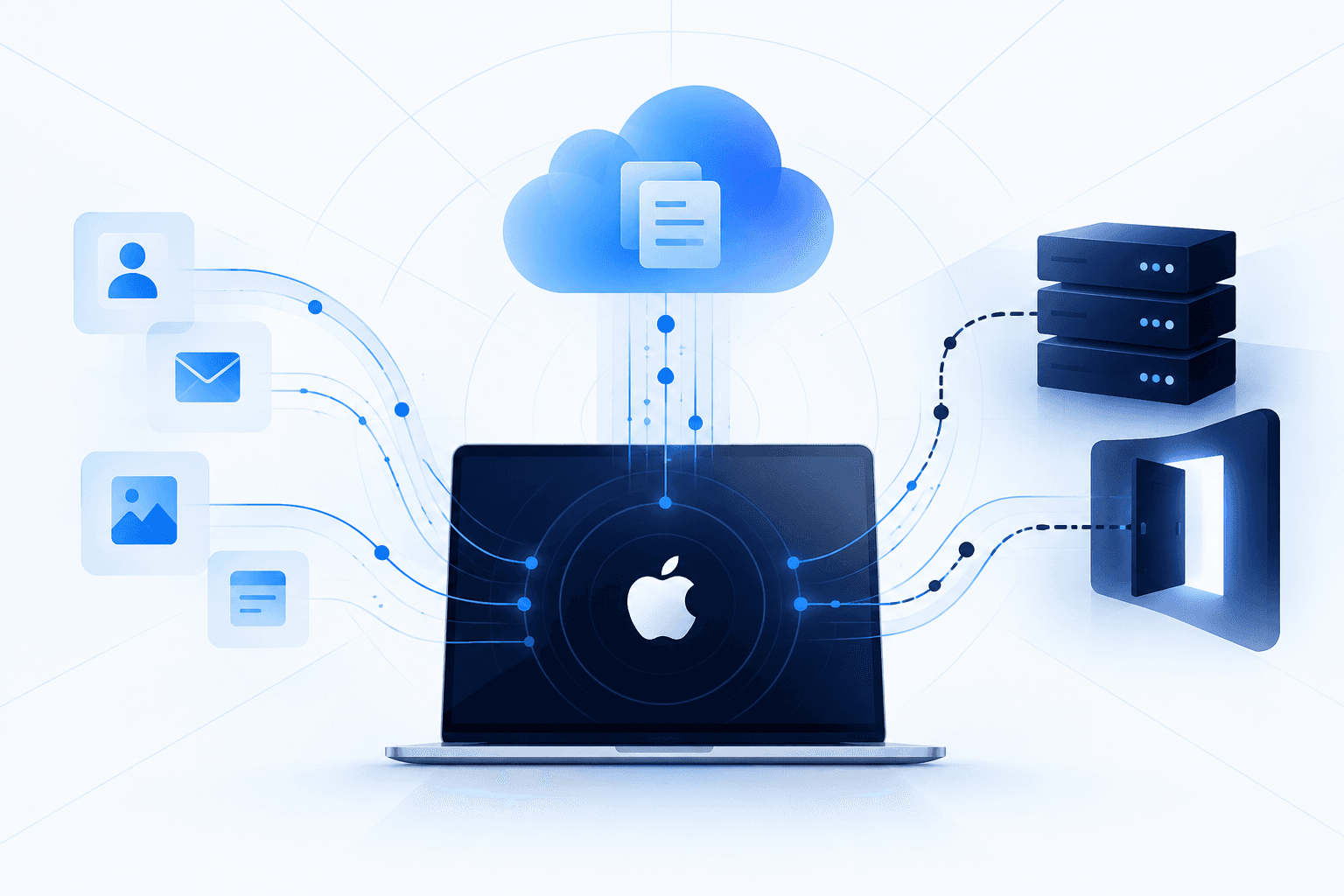
A new **MacSync** malware-as-a-service campaign targets macOS cryptocurrency users and developers with trojanized DMG applications, binary loaders, and droppers. Originally advertised as Mac.c in 2025, the stealer has progressed from AppleScript payloads to Swift and Objective-C binaries and now uses Apple iCloud Calendar and file-hosting infrastructure to retrieve subsequent payloads. MacSync collects browser and cryptocurrency-wallet data, credentials, Keychain-related material, Telegram data, cloud and developer configuration files, system details, and shell histories. It persists through LaunchAgents, modified ZSH settings, global Git hooks, Login Items, and restoration scripts while suppressing user notifications; its backdoor can receive C2 tasks to install browser extensions, replace Ledger wallet software, repeat collection, and potentially intercept browser traffic.
Sep 30, 2026