
Loading story…
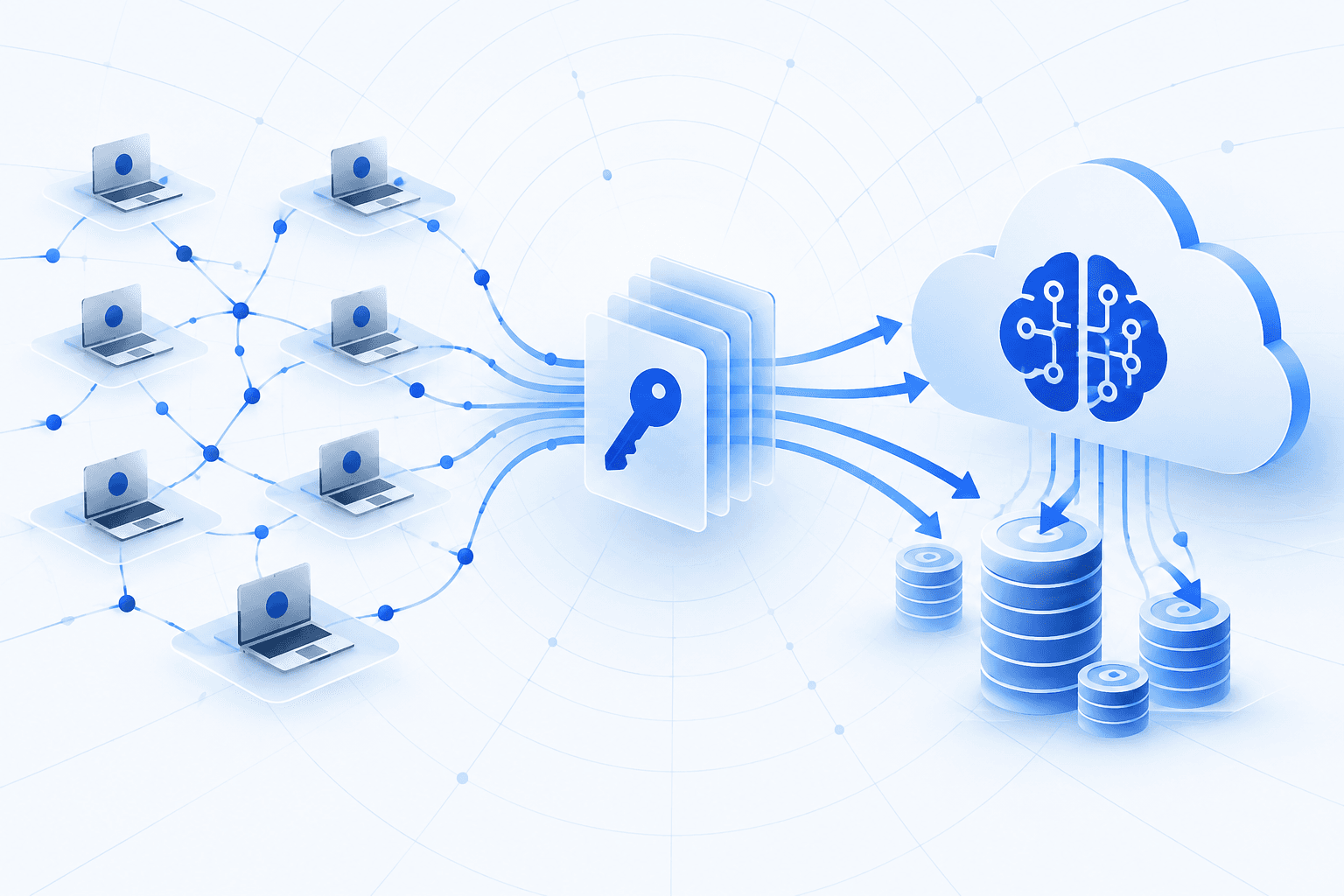
Attackers are stealing AI platform API keys and using them to consume paid model services on victims’ accounts, a practice Unit 42 describes as AI token jacking. The activity has generated nearly $1 million in fraudulent charges before some victims detected the abuse, with malicious infrastructure in some cases driving tens of millions of API calls per day. Stolen credentials are being monetized directly and also funneled through gray-market "transfer stations" that resell access to legitimate AI services using compromised or discounted accounts.
The stolen keys are being obtained through phishing, infostealer malware, exposed file shares, public code repositories, and poisoned software packages, including self-propagating npm packages that can steal credentials and taint later releases. Defenders are being urged to revoke exposed keys immediately, monitor billing and usage for anomalies, enforce spending caps and short-lived tokens, tighten privileged-account controls, restrict network access, and strengthen software supply-chain hygiene; reporting also points to indicators of compromise such as suspicious user-agent strings, malicious IP addresses, and domains linked to transfer-station infrastructure.

See attribution, scope, and your downstream exposure.
4 events from the most recent confirmed update back to the earliest known activity.
The reporting included indicators of compromise associated with malicious API calls and transfer-station infrastructure, including the user-agent string "Go-http-client/2.0,gzip(gfe)," domains such as amutes[.]com and abb1[.]life, and multiple IP addresses tied to credential theft or abuse.
The report highlighted poisoned, self-spreading npm packages as an especially concerning way attackers steal developer, cloud, and AI credentials. It said a malicious package can exfiltrate credentials from a developer environment and contaminate later software releases.
Unit 42 linked the activity to gray-market intermediary services called transfer stations that resell access to official AI platforms using stolen or discounted credentials. In incidents reviewed by the researchers, this infrastructure generated tens of millions of API calls per day and drove victim fees into the hundreds of thousands of dollars.
Unit 42 reported a growing pattern of "AI token jacking," in which attackers steal or expose AI API credentials and abuse victims' paid model access. The report said Palo Alto Networks had observed nearly $1 million in charges accrued before victims detected and contained the abuse.
Vulnerabilities, threat actors, malware, products, organizations, breaches, and observables Mallory has linked to this story. Indicator values are masked here and available in full in the app.
Indicator values are masked on this page. View all 18 in Mallory Domains, IPs, hashes, and URLs are exportable to your SIEM.
See attribution, scope, and whether this vendor sits anywhere in your supply chain.
3 references tracked. Mallory keeps watching after this page renders.
community.gurucul.com
Open sourcecybersecuritynews.com
Open sourceunit42.paloaltonetworks.com
Open sourceMap indicators from this story to your assets and identify affected systems in minutes.
Every observed campaign, victim, and pivot linked to actors named in this story.
Malware, exploits, and IOCs connected to the activity described here.
YARA, Sigma, and Snort rules deployed to your SIEM as soon as they’re published.
Get matching new stories delivered to your team as they break — not the next morning.
Ask questions about this story and take action on the answers.
Other stories Mallory is tracking that overlap on entities, sources, or topic labels.
The previously undocumented **x47.c** Windows botnet is being marketed by WraithTools with 18 attack capabilities, including credential theft, SOCKS5 proxying, fast-flux infrastructure, DDoS attacks, and AI-assisted persistence and host concealment. Its persistence module reportedly uses xAI's Grok to select from predefined persistence and evasion actions on compromised hosts. x47.c's "AI API drain" capability uses valid stolen or exposed API keys to send repeated billable requests directly to OpenAI, xAI, and compatible AI providers, exhausting a victim's credits while potentially leaving the victim-facing application functional. The activity represents a **denial-of-wallet** attack; organizations should revoke exposed AI keys, investigate anomalous usage and billing, enforce spending caps and limits on automatic top-ups, remediate infected endpoints, and maintain layered application- and network-level DDoS protections.
Sep 29, 2026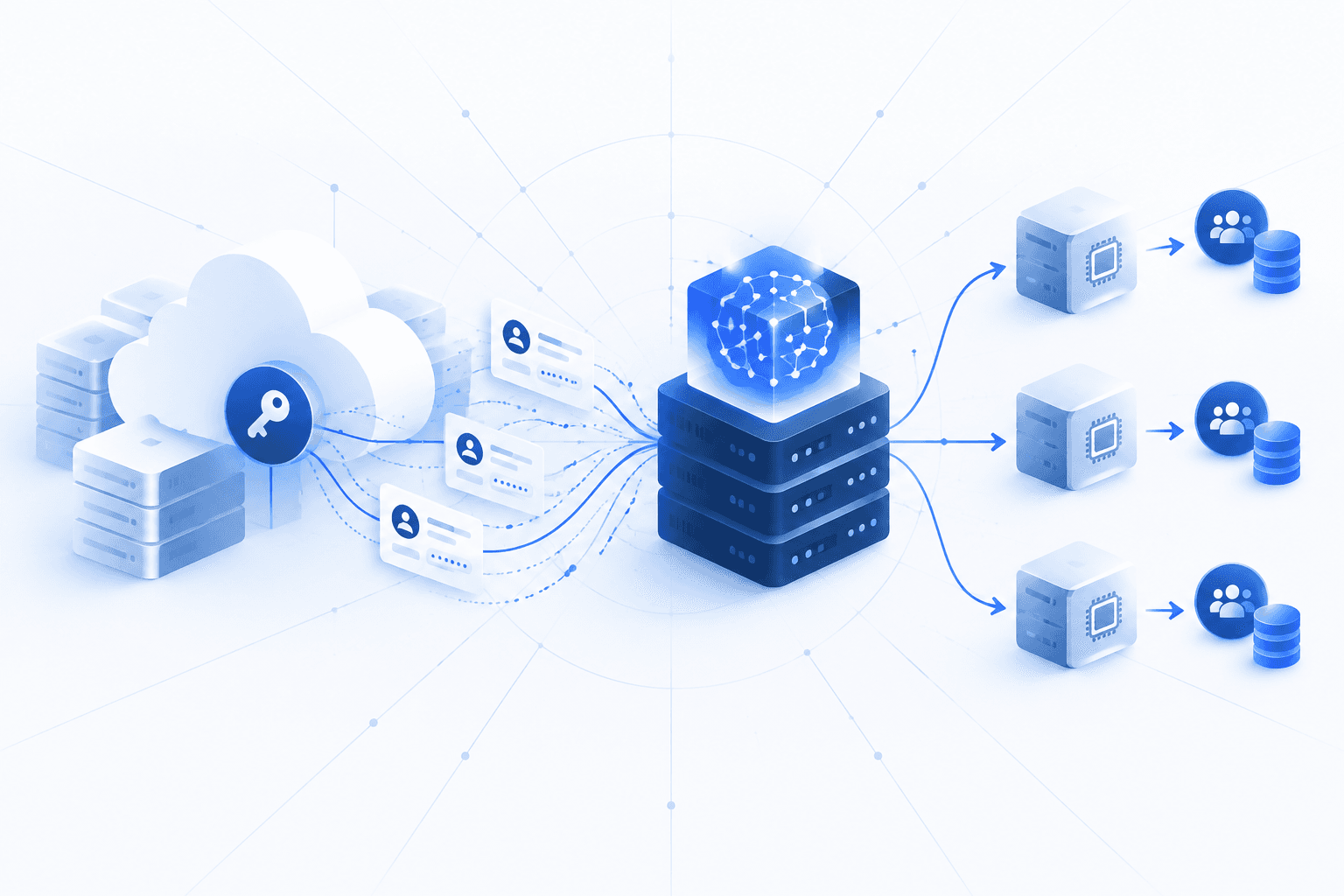
Attackers are increasingly monetizing stolen cloud credentials through **LLMjacking**: unauthorized use of hosted large-language-model services that charges inference costs to victims. In observed AWS incidents, attackers used long-lived IAM keys with `AdministratorAccess` to create IAM users, accept Amazon Bedrock Marketplace agreements, and invoke foundation models; earlier activity used credentials exposed through a vulnerable Laravel instance affected by `CVE-2021-3129` to test access across multiple AI platforms and target Anthropic Claude through Bedrock. Adversaries have used malformed `InvokeModel` requests to validate access and checked whether invocation logging was enabled, while sustained abuse of Claude quotas across regions was estimated to cost more than $46,000 per day and exhaust legitimate customer capacity. The activity has developed into a commercial access market. Researchers report that “Operation Bizarre Bazaar” scans for exposed, unauthenticated APIs and Model Context Protocol (MCP) servers using internet-search services, validates compromised access, and resells LLM compute or API access through Telegram and Discord marketplaces for cryptocurrency and PayPal. MCP compromise may also enable access to connected internal file systems or databases, extending the risk beyond fraudulent AI consumption. Organizations should eliminate long-lived privileged keys, use short-lived role credentials and least-privilege permissions, remediate exposed services and secret leaks, and investigate new Bedrock activity—especially identity creation, unfamiliar source IPs, service enumeration, access-denied events, and missing or disabled CloudTrail and model-invocation logs.
Sep 13, 2026
A coordinated campaign on the JetBrains Marketplace used at least **15 malicious IDE plugins** masquerading as AI coding assistants to steal developers’ API keys for services including **OpenAI**, **DeepSeek**, and **SiliconFlow**. Researchers said the extensions appeared legitimate and functional, but silently exfiltrated credentials entered by users to attacker-controlled infrastructure, turning trusted development tools into a credential-harvesting channel. The plugins were reportedly installed about **70,000 times** and were active from at least **October 2025 through June 2026**. Investigators linked the operation to fake assistant-style extensions and said the actor may have monetized the theft by reselling stolen API access; some plugins allegedly included a paid tier that appeared to return API keys sourced from other victims, suggesting the campaign blended credential theft with a marketplace for illicit API access.
Aug 11, 2026