AI Agents Reconstruct Slack, Finder and Turla Malware From Shipped Software
Emerging Technology Risk · 3 sources · Updated 2d ago · First seen Nov 10, 2026
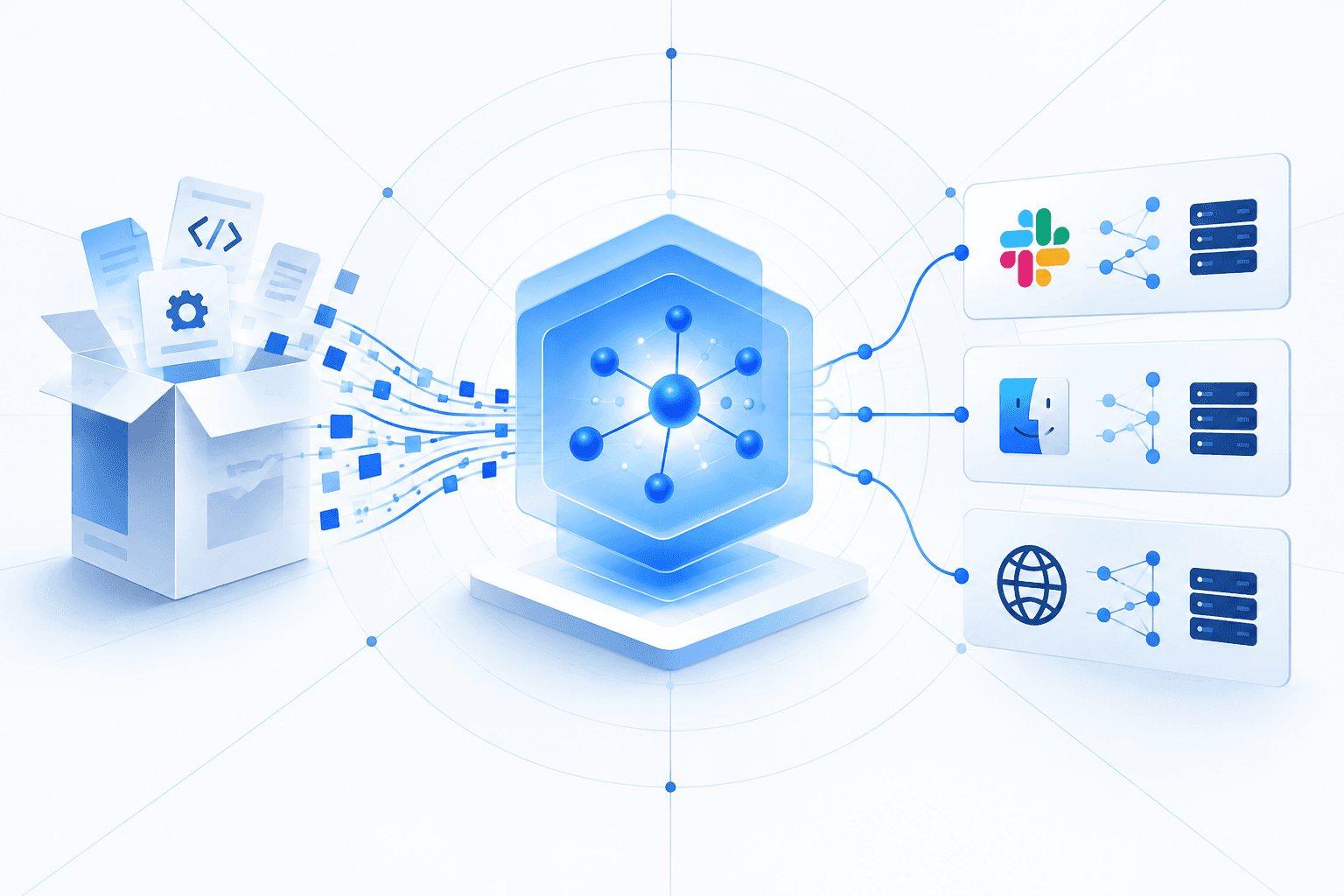
Intezer researchers used AI agents to reconstruct working source-code implementations of components of Slack, Apple’s Finder and the TinyTurla-NG backdoor from shipped software and vendor documentation. Specialized harnesses supplied the models with tools and permissions. The reconstructed malware binary achieved 92.8% structural similarity to the original in BinDiff, with behavior assessed separately through function-level comparisons. The rebuilt Slack supported a new local-model AI autocomplete feature, but used a newly created compatible server; the Finder reconstruction retained gaps involving cloud files and other macOS services. Intezer did not disclose project duration or cost.
The findings show how AI can lower the expertise barriers to software reverse engineering, creating opportunities for malware analysis while increasing risks to proprietary code and intellectual property. Related reporting describes threat actors including Midnight Blizzard using AI to reverse-engineer sensitive technologies, while open-source tools such as Reverse Engineer Anything broaden access to these capabilities. Vendors should not rely on compilation alone to protect proprietary logic: recommended defenses include prioritizing server-side infrastructure protection and considering encryption and advanced obfuscation to increase reconstruction difficulty.