Suspected Russia-Linked Espionage Campaigns Target Central Asian Diplomatic Intelligence
Sector Threat Intelligence · 3 sources · Updated 7h ago · First seen Dec 12, 2024
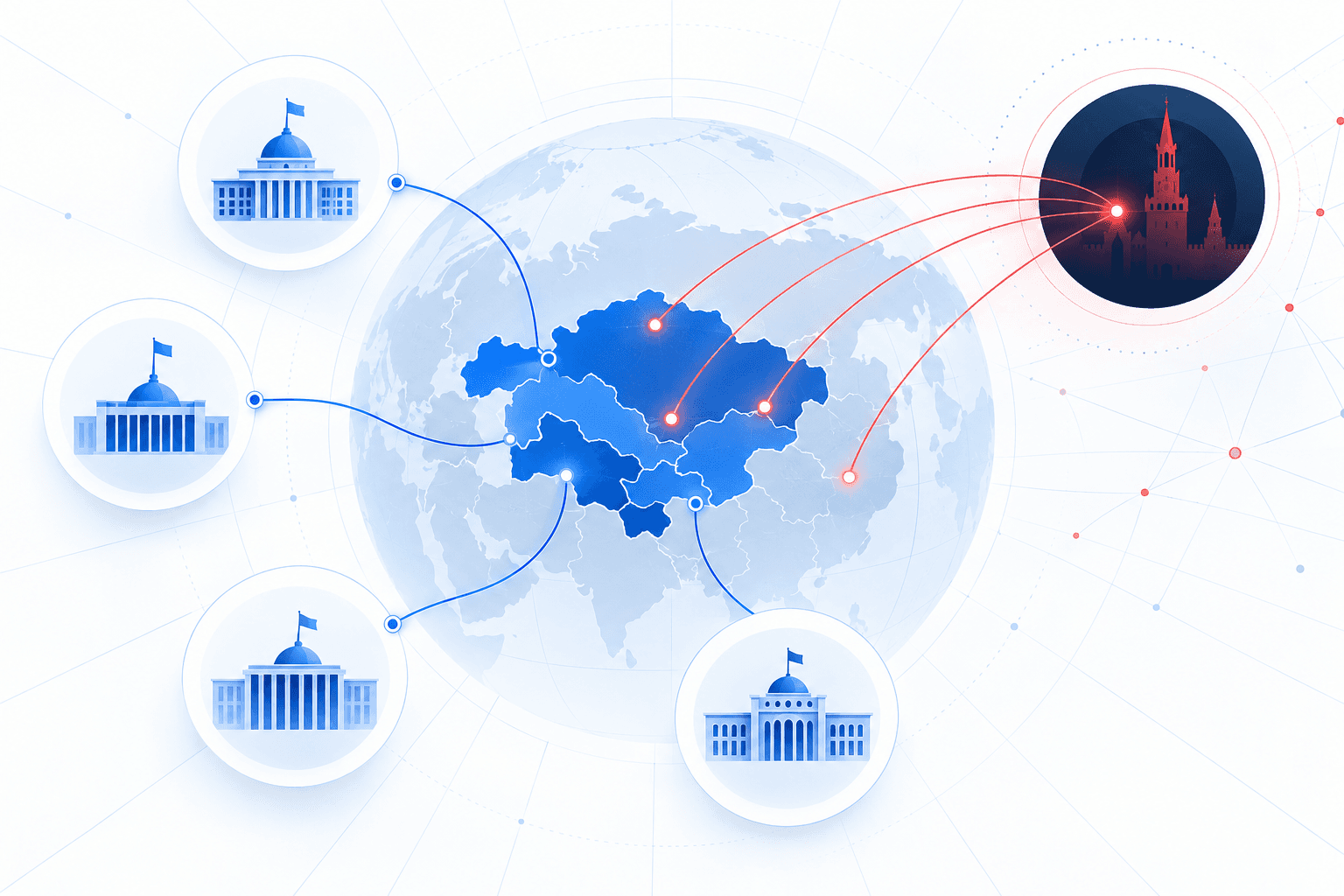
Sekoia identified a cyberespionage campaign by UAC-0063 that weaponized legitimate diplomatic documents, mostly originating from Kazakhstan’s Ministry of Foreign Affairs, to target diplomatic entities in Central Asia. Its two-document infection chain, dubbed Double-Tap, executed the HATVIBE VBScript backdoor, which other researchers have observed deploying the Python backdoor CHERRYSPY. Activity continued through November 2024. Sekoia assessed with medium confidence that UAC-0063 is related to Russia’s GRU-operated APT28, citing technical similarities and overlapping victimology with Zebrocy campaigns. The likely objective was intelligence collection on Kazakhstan’s strategic and economic relationships, but researchers could not confirm Kazakhstan as a final target or determine how the original documents were obtained.
Separately, Bitdefender documented DownEx espionage activity against foreign government institutions in Kazakhstan and later Afghanistan. Likely spear-phishing delivered a disguised executable, with reconnaissance tools, an obfuscated Python backdoor, and C++ or VBScript file-exfiltration implants supporting theft from local and network drives. Targeted material included documents, images, archives, and certificates; the tooling also supported screenshots and file listings. Bitdefender assessed a possible Russia-associated state-sponsored connection with low confidence but could not identify a specific group. The supplied findings do not establish that DownEx and Double-Tap were the same operation. Diplomatic-sector defenders should prioritize suspicious document-to-script execution and unusual access to shared drives, using Sekoia’s published infrastructure indicators, YARA rules, and behavioral detections to support hunting.
Why it matters
Two separately documented espionage operations threaten diplomatic and government information: UAC-0063’s Double-Tap campaign targeted Central Asian diplomatic entities, while DownEx attacks were detected against foreign government institutions in Kazakhstan and subsequently Afghanistan. The principal risk is theft of sensitive correspondence, strategic intelligence, documents, and potentially certificate material; DownEx also supported screenshots and file deletion after exfiltration. These are observed targeted operations, not merely theoretical exposure, but the supplied reporting does not establish that they are one operation or that activity continued beyond the reported observation periods. Sekoia · Bitdefender
- Industry-specific impact: Government & Public Sector is supported by diplomatic targeting in Double-Tap and detected attacks against foreign government institutions in DownEx. Broader historical UAC-0063 victimology does not establish that all previously targeted sectors were affected by these particular operations. Sekoia · Bitdefender
- Geography-specific impact: Kazakhstan and Afghanistan are supported by observed DownEx attacks against institutions operating there. Double-Tap additionally establishes Central Asian targeting, but Sekoia could not technically confirm Kazakhstan as a final target; countries mentioned in diplomatic lures should not automatically be treated as victims. Bitdefender · Sekoia